
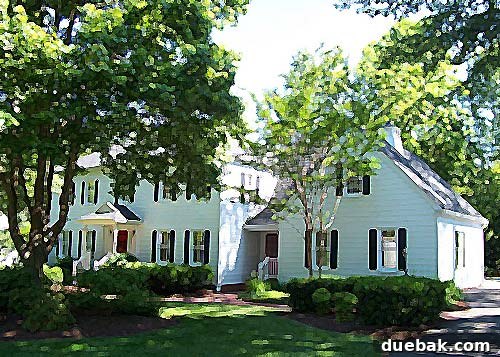
The journey of house hunting is often a captivating blend of excitement, anticipation, and occasional frustration. Each property tour tells a unique story, offering glimpses into potential futures and challenging predefined expectations. This particular home emerged as a compelling contender during our extensive search, largely due to a significant and rather sudden price reduction. A remarkable drop of nearly $40,000 instantly shifted it from a distant aspiration to a tangible possibility within our budgetary framework. The sellers, having already relocated, demonstrated clear motivation after four months on the market. This compelling blend of a great deal and eager sellers certainly piqued our interest. Could this be the one that motivated us to make a commitment? Let’s delve into what made this house so intriguing, and ultimately, why it wasn’t the final answer to our quest for the perfect home.
Unpacking the Details: A Comprehensive Look at the Property Statistics
Before diving into the subjective appeal of a home, understanding its fundamental statistics is crucial for any potential buyer. These numbers paint a preliminary picture of the property’s character, its place in the market, and its suitability for a specific lifestyle. For this house, the core data points offered a solid foundation:
- Age: 1977
- House Size: 2,772 square feet
- Lot Size: 0.4 acres of land
- Bedrooms: 4
- Bathrooms: 2.5
A home built in 1977 typically offers a sweet spot between classic charm and modern conveniences. While it might predate some contemporary open-concept designs, it also likely boasts a sturdy construction and established neighborhood feel. The generous house size of 2,772 square feet suggests ample living space, potentially accommodating a growing family, dedicated home offices, or versatile entertainment areas. This substantial footprint often translates into multiple living zones, formal and informal dining areas, and spacious bedrooms. Coupled with a significant lot size of 0.4 acres, the property promised considerable outdoor potential. This amount of land can support expansive gardens, recreational spaces, or even future expansion, offering a rare luxury in many modern developments. With four bedrooms, the house provided plenty of private retreats, ideal for family members or accommodating guests. The 2.5 bathrooms, including a powder room, ensured convenience and functionality for daily living, a practical consideration for any busy household. These statistics collectively describe a substantial, well-established family home with considerable appeal.
The Allure and Advantages: What Stood Out About This Home
Every house has its unique selling points, and this particular property boasted an impressive array of features that immediately captured our attention. From its striking curb appeal to its luxurious interior amenities, the pros list was quite extensive:
- Great Deal: The recent price drop made it an incredibly attractive investment.
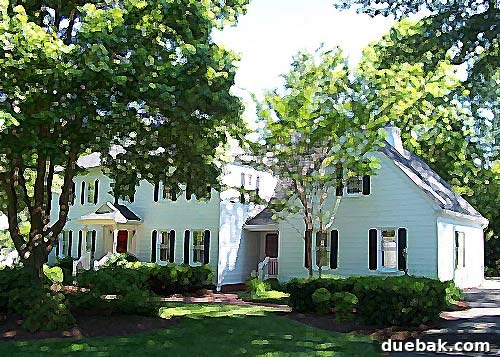
- Beautiful Exterior and Landscaping: Immaculate presentation created an immediate positive impression.
- Polished Details: Elegant crown molding, custom window shutters, and exposed beams showcased superior craftsmanship.
- Tons of Extras: High-end appliances like a Wolf range, outdoor deck heaters, a car lift in the garage, and a full yard irrigation system added significant value and luxury.
- Kitchen Needed Lots of Work: Surprisingly, this was a major pro for us, indicating potential for a personalized renovation project.
Diving Deeper into the Pros: Features That Caught Our Eye
The “great deal” aspect was undoubtedly the primary draw. In a competitive real estate market, finding a property that has recently undergone a substantial price adjustment can feel like hitting the jackpot. This immediate financial advantage positioned the house as a high-value opportunity, prompting us to take a closer look. Beyond the numbers, the visual appeal of the home was undeniable. Its beautiful exterior, meticulously maintained landscaping, and inviting facade presented a picture of pride of ownership. Curb appeal is a vital component of any home, not just for resale value but for the daily enjoyment of its residents. Stepping inside, the attention to detail continued to impress. Features such as elegant crown molding, bespoke custom window shutters, and rustic yet refined exposed beams spoke volumes about the quality of construction and the care invested in its design. These polished details elevated the home’s aesthetic, lending it a sophisticated and timeless charm that many buyers seek.
Furthermore, the house was replete with an abundance of “extras” that transcended standard amenities. The presence of a professional-grade Wolf range in the kitchen, for example, signaled a commitment to culinary excellence, a significant draw for any avid cook. Outdoor living was clearly prioritized, with two integrated deck heaters suggesting comfortable al fresco entertaining even on cooler evenings. For the automotive enthusiast, a car lift in the garage was an unexpected and highly functional bonus, offering practical utility or even a unique hobby space. Complementing the stunning landscaping, a full yard irrigation system promised effortless maintenance of the lush greenery, a considerable convenience. These additions, often costly to install, represented significant value already built into the property. Perhaps the most intriguing “pro” for us, however, was the fact that the kitchen needed substantial renovation. Unlike many buyers who seek a move-in-ready kitchen, our vision for our future home included a significant home renovation project. A dated kitchen presented a blank canvas, an exciting opportunity to customize the heart of the home to our exact specifications, style, and functional needs, adding immense personal value and a chance to truly make it our own.
Addressing the Disadvantages: Why It Wasn’t the Perfect Fit
While the house presented numerous appealing features, every potential home also comes with its set of compromises. For us, a few key aspects prevented this otherwise impressive property from becoming our dream home:
- Felt a bit too “fancy” for us: The pristine condition and high-end finishes didn’t align with our desire for a hands-on project.
- Didn’t need much work besides the kitchen: We were actively seeking a more extensive renovation challenge.
- Schools and location were not ideal: This critical factor significantly impacted its long-term suitability.
- Still priced at the top of our range even with the drop: The financial stretch remained substantial, limiting future renovation budgets.
- Not as old and much bigger than we’re actually looking for: Our ideal home was a smaller, older fixer-upper with more inherent character.
Navigating the Cons: When “Almost Perfect” Isn’t Enough
One of the most immediate feelings upon walking through the home was that it simply felt “too fancy” for our lifestyle and aspirations. While the polished details and high-end finishes were objectively beautiful, they created an atmosphere that felt a bit too pristine, almost demanding a certain level of formality we weren’t seeking. We envisioned a home where we could truly roll up our sleeves, a place that invited our personal touch and creativity through extensive renovation. This house, with its already perfect crown molding and custom shutters, offered limited opportunities for that kind of transformation. Beyond the kitchen, which was our designated project area, there simply wasn’t enough “work” to do to satisfy our craving for a comprehensive home improvement endeavor. We yearned for a house that offered more of a blank slate, a property where we could infuse our design philosophy into every corner, rather than just updating an already refined space.
Perhaps the most significant and non-negotiable drawbacks were the less-than-ideal school district and overall location. For us, a home is more than just four walls; it’s an ecosystem that includes the community, local amenities, and crucially, the quality of nearby schools. Despite its interior charm, the property’s geographical position simply didn’t align with our long-term family needs and preferences, creating a fundamental disconnect. Moreover, even with the substantial $40,000 price reduction, the house still sat at the very upper limit of our budget. This meant that any grand plans for the kitchen renovation, or any unforeseen expenses, would push us beyond our comfort zone, potentially jeopardizing our financial stability for future projects. While the deal was attractive, the financial stretch remained a considerable hurdle. Finally, the house itself deviated from our core vision in terms of age and size. At 1977, it was newer than our ideal “old house” aesthetic, and its 2,772 square feet felt considerably larger than the more modest, character-rich historical home we truly sought. We were on the hunt for a charming “beater,” a house with stories etched into its walls, eagerly awaiting a loving restoration, not a semi-modern, expansive dwelling. These cons, though some might see them as trivial, were critical differentiators in our pursuit of the truly perfect (for us) home.
The Unexpected Offer: A Test Run in Real Estate Negotiation
Despite our reservations regarding the “too fancy” aesthetic and the location, the significant price drop and the sellers’ clear motivation were incredibly compelling. The house was undeniably attractive, and the opportunity felt too good to ignore. In a surprising turn of events, and perhaps fueled by the thrill of the chase in a competitive market, we decided to put in an offer. This decision, in hindsight, was less about securing *this* house and more about testing the waters of the home buying process. We approached it as a valuable “dry run” for when we would find a property we truly loved. Our offer was deliberately a “lowball” – we shaved an additional $20,000 off the new asking price, pushing the boundaries of what might be acceptable. Crucially, our offer included a “must-sell-our-house-first” contingency. This common clause protects buyers by making their purchase conditional upon the successful sale of their current home, a necessary safeguard for us. We fully expected this combination of a low offer and a significant contingency to result in immediate rejection. After all, sellers who have already dropped their price by $40,000 might not be open to further negotiation.
Lessons Learned from Our First Foray into Making an Offer
To our surprise, the sellers were open to the contingency, indicating their strong desire to close the deal. This flexibility was encouraging and demonstrated their serious intent. However, when it came to the price, they held firm. Despite their recent substantial reduction, they were unwilling to budge further. From their perspective, this was entirely understandable; they had already made a significant concession to attract buyers. While we respected their position, our budget had a firm ceiling, and pushing past it for a house that wasn’t an absolute “yes” felt imprudent. Consequently, we made the decision to walk away from the deal. Although it didn’t result in a purchase, this experience proved invaluable. It served as an excellent practical exercise in formulating an offer, understanding contingencies, and navigating the negotiation process with real-world stakes. It clarified our priorities and reinforced our conviction that we sought a property with far more potential for a personalized overhaul. This first offer, though unsuccessful, was a crucial stepping stone, teaching us patience, strategy, and confirming what we truly desired in our ultimate dream home.
The Search Continues: Our Vision for the Perfectly Imperfect Home
The experience with the “too fancy” house ultimately sharpened our focus and reaffirmed our true preferences in the challenging world of real estate investment. We emerged from that offer a little wiser, more resolute in our vision. What we truly seek is not a house that is nearly perfect and move-in ready, but one that is brimming with untapped potential. Our ideal home is significantly older, perhaps steeped in decades of history, offering the kind of architectural character and story that modern builds simply cannot replicate. We envision a property that is more modestly sized, eschewing sprawling layouts for a cozier, more intimate feel that lends itself to thoughtful design and efficient living. This smaller footprint aligns better with our desire for sustainable living and less overall maintenance, allowing us to focus our energy and resources on impactful renovations rather than simply filling vast spaces. We are on the hunt for a true “beater,” a home that is undeniably “begging for a makeover.” This means a property with good bones, but perhaps outdated systems, tired finishes, or even some structural quirks that require a comprehensive overhaul. We dream of tearing down walls, reimagining layouts, selecting every finish, and infusing every corner with our unique aesthetic and functional requirements.
This kind of property represents the ultimate creative challenge and personal reward for us. It’s about transforming a diamond in the rough into a shining gem, adding substantial value through sweat equity and thoughtful design. It’s about building equity not just through market appreciation, but through strategic home renovation projects that reflect our personality and enhance the home’s intrinsic worth. This journey of transformation is what truly excites us, far more than moving into an already updated property. So, the quest continues. We remain vigilant, scanning listings and touring properties, patiently waiting for that perfectly imperfect house to reveal itself. The one that, despite its current flaws, whispers promises of untold potential and boundless opportunities for a magnificent revival. Are you out there, our perfectly imperfect house, waiting for us to bring your hidden beauty to life?