

Please note: This article contains vivid descriptions of bathroom grime. Proceed with caution, especially if you’re sensitive or currently enjoying a snack.
The saga of our bathroom’s sliding shower doors is one that many homeowners can likely relate to. It was a project that had been festering at the top of our “to-do” list, a persistent reminder of a dated aesthetic and escalating hygiene concerns. These weren’t just any old shower doors; they were a true testament to the passage of time, an embodiment of everything we wished to banish from our living space.
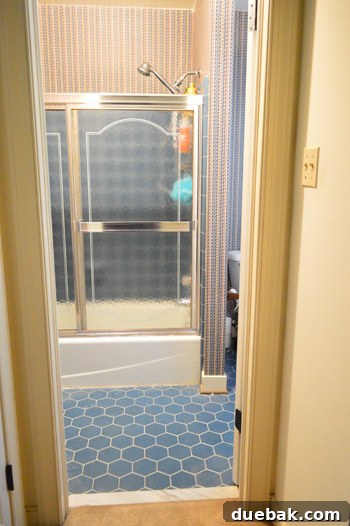
The Undeniable Imperfection: Why Those Sliding Shower Doors Had To Go
Our bathroom, like many, featured a tub-shower combination, and the original sliding doors had long since outlived their prime. Unlike the welcoming embrace of a soft fabric curtain, these doors enclosed the space in a particularly uninviting manner. Upon closer inspection, the signs of wear and tear were undeniable, verging on the visually offensive. There were unmistakable lines of rust, testament to years of moisture exposure and inadequate sealing, subtly (or not so subtly) staining the pristine white of the tub surround.

Beyond the rust, an even more telling symptom of their decrepitude was the truly impressive amount of caulk that seemed to be the primary structural component holding them together. Layer upon layer, it was clear that previous attempts to seal leaks had resulted in a haphazard, unsightly patchwork rather than a durable solution. This excessive caulking, now yellowed and cracked, offered no real protection, merely serving as a visual indicator of a failing system.

Compounding these aesthetic and hygiene issues was a functional flaw: the doors were inexplicably low. This proved to be a constant source of frustration, particularly for taller individuals. My husband, John, demonstrated this issue firsthand, repeatedly hitting his head while attempting to navigate into or out of the tub. A classic case of “fool me once, shame on the shower doors; fool me twice, shame on John!” Here’s a lighthearted, fully-clothed reenactment to illustrate the predicament, a testament to his uncanny ability to perform such feats, as seen in exhibit A, exhibit B, and exhibit C. It was clear: these sliding shower doors were not just an eyesore but also a safety hazard and a design blunder that needed immediate correction.
The DIY Demolition: Step-by-Step Shower Door Removal
The first stage of reclaiming our bathroom, aptly titled “Get Those Dastardly Doors Down,” involved a methodical approach to disassembly. We began by focusing on the sliding door panels themselves. Many sliding shower door systems are designed to allow the panels to be lifted off their tracks once sufficiently angled. Our initial step was to swing the bottom of each door panel out, creating enough clearance to lift them clear of the upper track that held them securely in place. This maneuver, while straightforward, often requires a bit of finesse and patience to avoid damaging the surrounding surfaces or the doors themselves.

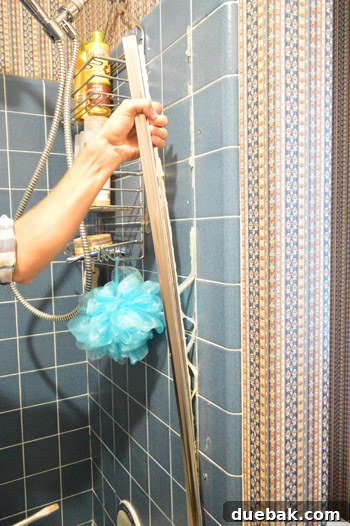
Once the individual door panels were safely removed and set aside (we recommend leaning them against a protected wall or laying them flat on a drop cloth to prevent breakage), we turned our attention to the frame. The top frame section, thankfully, proved relatively easy to remove after the doors were out of the way. It simply lifted right off, revealing the underlying structure. The next task was to detach the vertical side frames from the wall. We anticipated this would be a simple matter of unscrewing a few fasteners on each side, a routine task for any DIY enthusiast equipped with a good screwdriver.
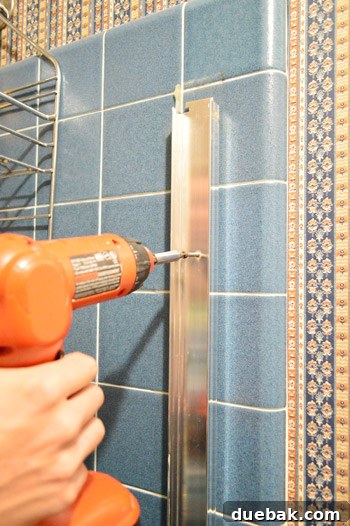
However, as with many home improvement projects, what seems simple on the surface often hides layers of complexity. Our initial optimism was quickly tempered by the recollection of the sheer volume of caulk we had observed earlier. This wasn’t merely decorative caulk; it was a tenacious adhesive that had firmly bonded the frames to the bathroom walls and tub surround. To truly free the side frames, we realized we needed to meticulously score through these stubborn wads of silicone. This required a sharp utility knife or a specialized caulk removal tool, making multiple passes to cut through the hardened sealant along all edges of the frame. Patience here is key, as rushing can lead to scratches on your tub or tiles.

When the frames finally came free, after considerable scoring and gentle prying, the sight beneath was quite astonishing. They were coated in what could only be described as a thick, white, frosting-like layer of dried caulk and accumulated residue. While visually striking, it was substantially less appetizing than any dessert. This reinforced the decision to remove these antiquated doors and start fresh.
The Grim Revelation: Battling Bathroom Scum and Mildew
WARNING: What follows is a description of significant bathroom grime. If you’re sensitive to such details or currently eating, you might want to skip ahead or, ideally, put that snack down. Seriously.
*********
*******
Second warning. Your pop tart deserves better. Step away.
*****
***
Final warning. This is a journey into the dark side of bathroom maintenance. There’s no “un-see” button.
**
*
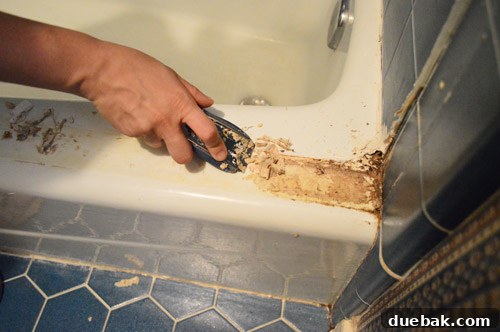
With the upper and side frames removed, we were confronted with the true horror lurking beneath the bottom track of the shower door. Unlike the other sections, this bottom frame typically isn’t screwed into the tub, but rather sealed with caulk. Lifting it off revealed a spectacle of truly unsettling proportions: a thick, three-dimensional layer of scum, mildew, and general nastiness that had been thriving in the damp, dark environment for years. It was a tangible ecosystem of forgotten grime, a testament to the fact that out of sight does not mean out of mind, especially in a bathroom. This wasn’t just dirt; it was a layered, textural landscape of unspeakable residue. To tackle this “tasty sight,” I armed myself with a flat razor scraper. The scraping process was laborious and, frankly, gag-inducing. You can almost see the veins bulging in my hands as I fought the urge to, well, lose my lunch. But the satisfaction of seeing it peel away, revealing the cleaner surface beneath, was immense.
Beyond the Doors: Addressing the Underlying Caulk Issues
Once the doors and their frames were completely removed, and the initial wave of disgust had subsided, the tub area instantly felt more expansive and open. From a distance, the transformation was remarkable, creating a much cleaner and airier impression. The small screw holes left behind by the side frames were easily addressed with a dab of silicone caulk, sealing them neatly. We knew that once our new shower curtain was in place, these minor imperfections would be completely obscured, practically disappearing from view.
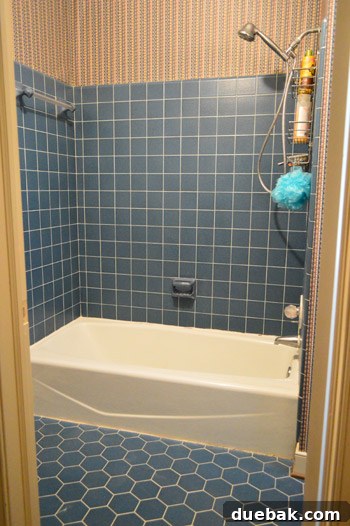
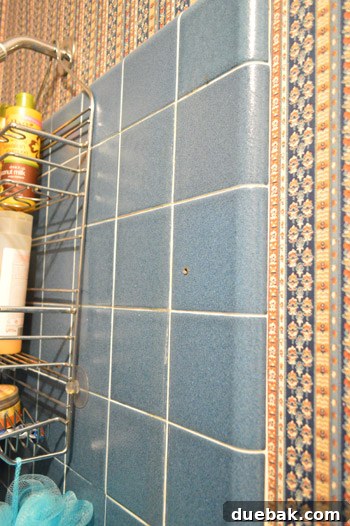
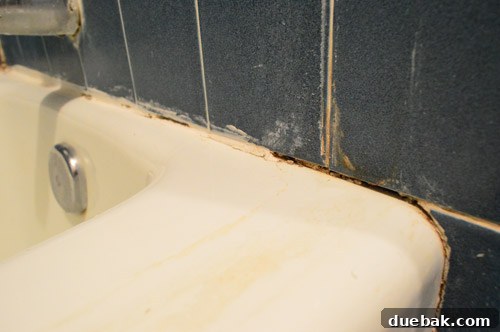
However, a closer inspection revealed that our work wasn’t quite done. The real issue was the existing caulk around the perimeter of the tub. This wasn’t just a minor touch-up job. Many areas were completely devoid of caulk, leaving gaps where water could easily penetrate and cause further damage. Other sections harbored unsightly pinkish mildew, a common inhabitant of damp bathroom environments, while some spots exhibited old, rotted brown stains – their origin a mystery, but their appearance undeniably unpleasant. It became abundantly clear: a full-scale caulk strip and re-caulk operation was essential. This meant removing all the old, failing caulk from the entire perimeter of the tub, extending down the sides of the surround, and even along the base where it met the floor. This comprehensive approach would ensure a truly clean, waterproof, and aesthetically pleasing finish.
The Art of Caulk Removal: Tools and Techniques
Tackling the old caulk required a combination of tools and a healthy dose of elbow grease. We primarily relied on a trusty box cutter for precision cuts and a small, specialized plastic caulk removal tool, picked up for a few dollars at Home Depot. This handy little tool features a V-shaped groove with a razor blade embedded in the middle, designed to slice through and pull away old caulk efficiently. It’s surprisingly effective for long, straight runs of caulk along tile lines, helping to lift and separate the sealant from the surface without causing damage.
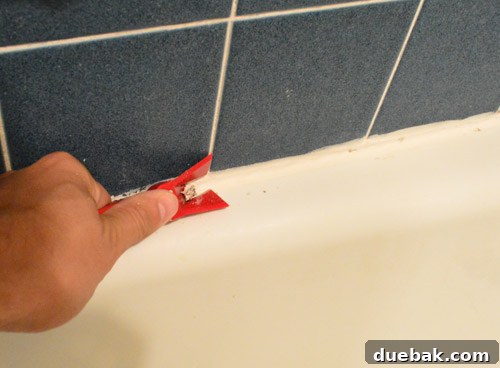
While the plastic tool performed admirably along the vertical and horizontal tile lines, it wasn’t as effective along the bottom of the tub, where the caulk met the floor. The angle and the inherent flexibility of the tool made it difficult to get a good grip on the sealant in that specific area. So, out came the reliable box cutter again, allowing for more precise and forceful removal of the remaining caulk strips. Safety is paramount here; always use a fresh, sharp blade and exercise extreme caution to avoid scratching the tub enamel or cutting yourself. Gloves are highly recommended for this task.
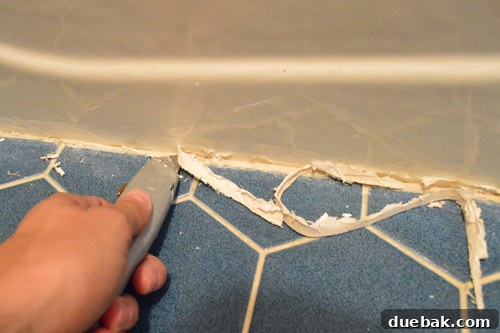
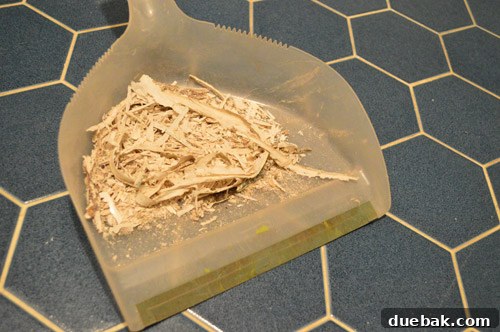
Approximately an hour later, a significant pile of old, crumbly, and often disgusting caulk had accumulated. While time-consuming, the process of stripping away the old, failing sealant was incredibly satisfying. It felt like purging years of hidden grime and setting the stage for a truly fresh and clean foundation. This meticulous preparation is crucial for ensuring the new caulk adheres properly and provides a long-lasting, waterproof seal, preventing future issues with mold and water damage. Seeing the clean lines emerge after the removal felt like a victory in itself.
The Fresh Finish: Expert Tips for Re-Caulking Your Tub
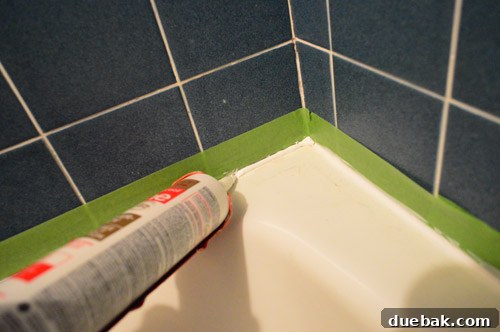
With the old caulk eradicated and surfaces thoroughly cleaned and dried, it was time to apply a fresh, professional-grade seal. When choosing caulk for a bathroom, it’s essential to select a 100% silicone sealant specifically designed for tubs, showers, and other wet areas. Silicone offers superior waterproofing, flexibility, and resistance to mildew compared to acrylic latex varieties. We opted for a white-colored silicone caulk, as it seamlessly blended with our white tub and tile, creating a cohesive and clean look, often preferred over clear caulk which can sometimes highlight imperfections or appear discolored over time.
To achieve a perfectly crisp and straight caulk line, a trick we swear by is using painter’s tape. We carefully taped off the top edge of the area to be caulked, creating a precise boundary against the dark tile. This simple step transforms the re-caulking process from a potentially messy endeavor into a highly controlled application. Once the caulk was applied with a steady hand, we smoothed it out immediately with a moistened finger or a specialized caulk tool to ensure an even bead and excellent adhesion. The magic happens next: while the caulk was still wet, we carefully peeled off the painter’s tape. This technique leaves behind a beautifully sharp, clean line, making even an amateur caulker look like a seasoned pro. It’s an invaluable tip for anyone looking to achieve a professional finish in their bathroom renovation projects.
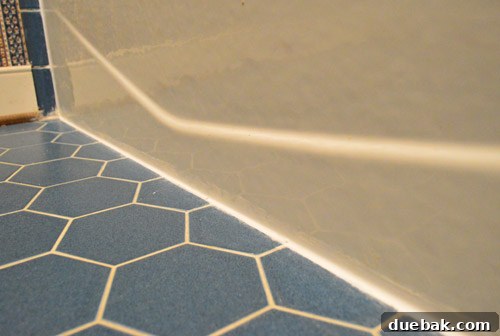
The difference was night and day. The fresh, bright white caulk transformed the entire tub area, instantly elevating its appearance from grimy and neglected to pristine and well-maintained. It’s a testament to how a small detail, executed correctly, can have a monumental impact on the overall cleanliness and aesthetic of a bathroom. The clean lines and uniform seal provided not only a visually appealing finish but also robust protection against moisture, ensuring our bathroom would remain dry and mildew-free for years to come. Much better, wouldn’t you agree?
The Grand Reveal: A Clean, Airy Bathroom with a New Curtain
After allowing the new caulk ample time to fully cure and dry – typically 24 to 48 hours depending on the product and humidity – the final touch was to hang our new extra-long shower curtain. We opted for a simple, yet sturdy, tension rod from Home Depot for ease of installation and versatility. The moment the curtain was in place, the entire bathroom experienced a dramatic shift. It immediately felt cleaner, more spacious, and undeniably airy. The decision to use an extra-long curtain, hung closer to the ceiling, instantly created the illusion of higher ceilings and much-needed “headroom,” eliminating the cramped feeling that the old sliding doors had imposed. Furthermore, the white fabric of the curtain allowed natural light to filter through effortlessly, banishing the perpetual dimness that once plagued the shower area and making the entire space feel brighter and more inviting.
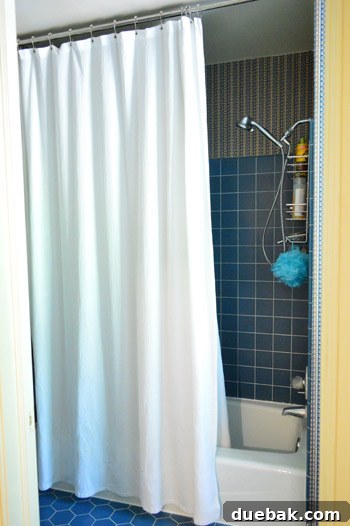
Our chosen curtain, a 95-inch waffle weave made of 100% cotton, originally came from Amazon years ago and has proven to be incredibly durable and easy to maintain, as it’s fully machine washable. While Amazon remains a reliable source, we’ve also heard that Target.com occasionally stocks similar extra-long options, so it’s worth checking around. To ensure full waterproofing and protect the fabric curtain, we pair it with an extra-long white fabric liner, purchased from Bed Bath & Beyond, which hangs on the inside of the tub to effectively block any water spray. One might wonder why a shower curtain, a seemingly minor decor item, travels with us during moves. The reason is practical: unlike regular window curtains or blinds, which are often house-specific in terms of height and width, shower curtains are universal in size and primarily decorative. This makes them a personal item that seamlessly transitions from one home to the next, a valuable asset in maintaining a consistent aesthetic. One thing is certain: the combination of fresh caulk and a thoughtfully chosen new curtain has undeniably made a significant and positive difference, proving that even small updates can yield impactful transformations.
Looking Ahead: Our Future Bathroom Renovation Vision
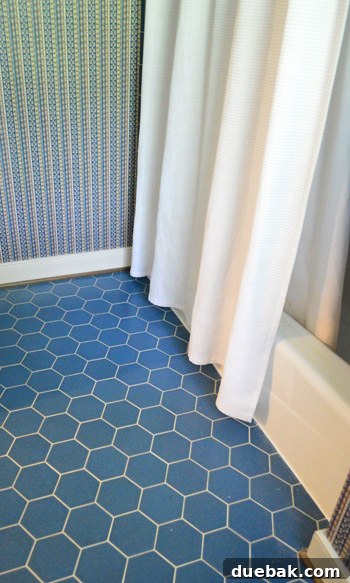
While the removal of the sliding shower doors and the re-caulking project have brought an immediate sense of freshness and functionality to the bathroom, this is just one step in its long-term evolution. We acknowledge that there are still areas ripe for future improvement. For instance, there’s some minor tile damage around the toilet and sink, as well as at the top corners of the shower area, where the old frame once sat. And, of course, the vibrant wallpaper that currently adorns the walls is definitely living on borrowed time. However, our approach to home renovation is methodical. We plan to live with the existing tile and overall configuration for a while longer, allowing us to truly understand how we use the space and what our ultimate needs and preferences are.
Our long-term vision for this bathroom involves a more dramatic overhaul: expanding its footprint. We aim to integrate the current sink nook area into the main bathroom, transforming two smaller, somewhat choppy spaces into one large, cohesive area. This reconfiguration will allow us to install a double sink, which is a significant preference for us over the current setup of having one sink inside the bathroom and another just outside it. For those who like to visualize, this post with a floor plan offers a clearer picture of our grand plans. We anticipate that reconfiguring this room down the line will be an exciting project, involving new tiling, a double vanity, and a completely refreshed aesthetic. Our philosophy is to spend ample time living in a space before embarking on major renovations. This allows us to avoid hasty decisions and potentially change our minds about design choices after thorough consideration. In the interim, I confess a certain affection for the blue hex tile currently on the floor. So, for now, we’re content to enjoy our revitalized shower area and embrace the charming, albeit temporary, quirks of the existing decor. And yes, the tile sees me naked all the time, but let’s keep that between us – my mom just started texting, and I’d rather not initiate that particular conversation!