
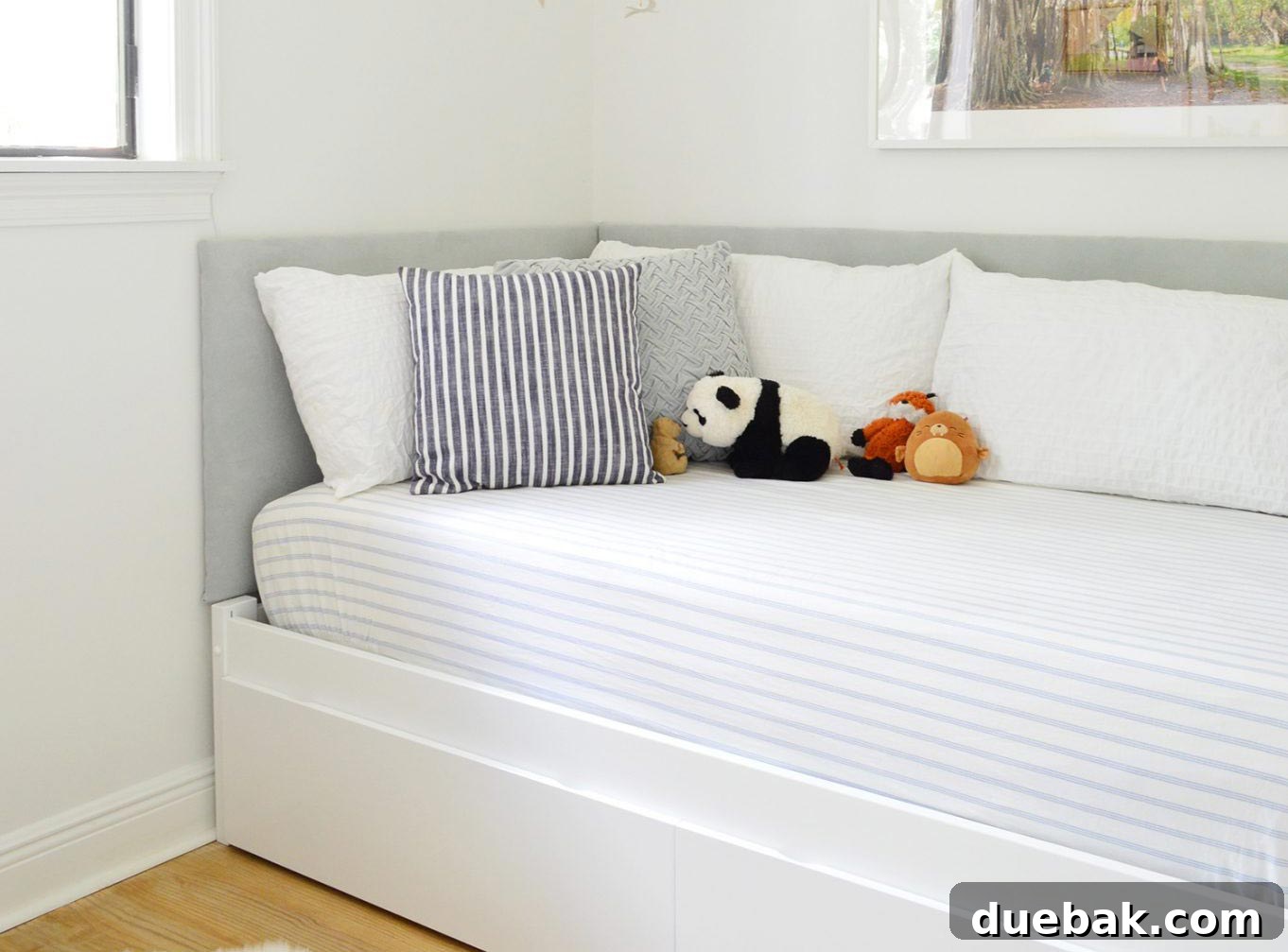
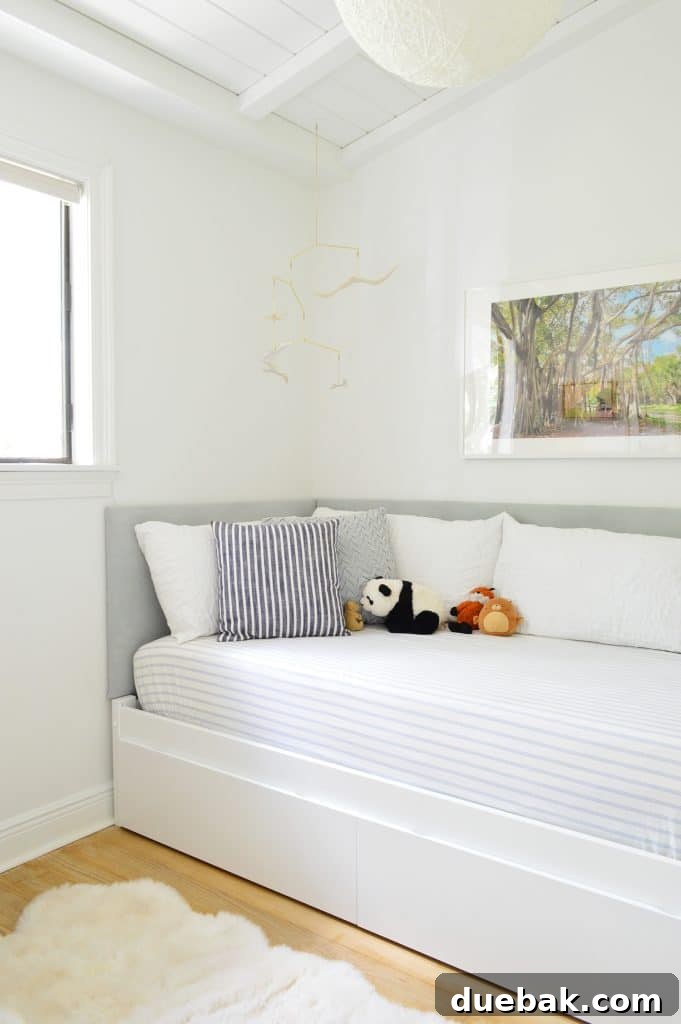
We’ve made a lot of headboards over the years, and the method below is the simplest and most versatile DIY headboard we’ve used. It requires no sewing, buttons, or advanced upholstery skills. It’s so straightforward we built two for this room. We made a wraparound, daybed-style headboard for our son’s bed to turn a basic frame into a cozy nook for reading, lounging, and sleeping.
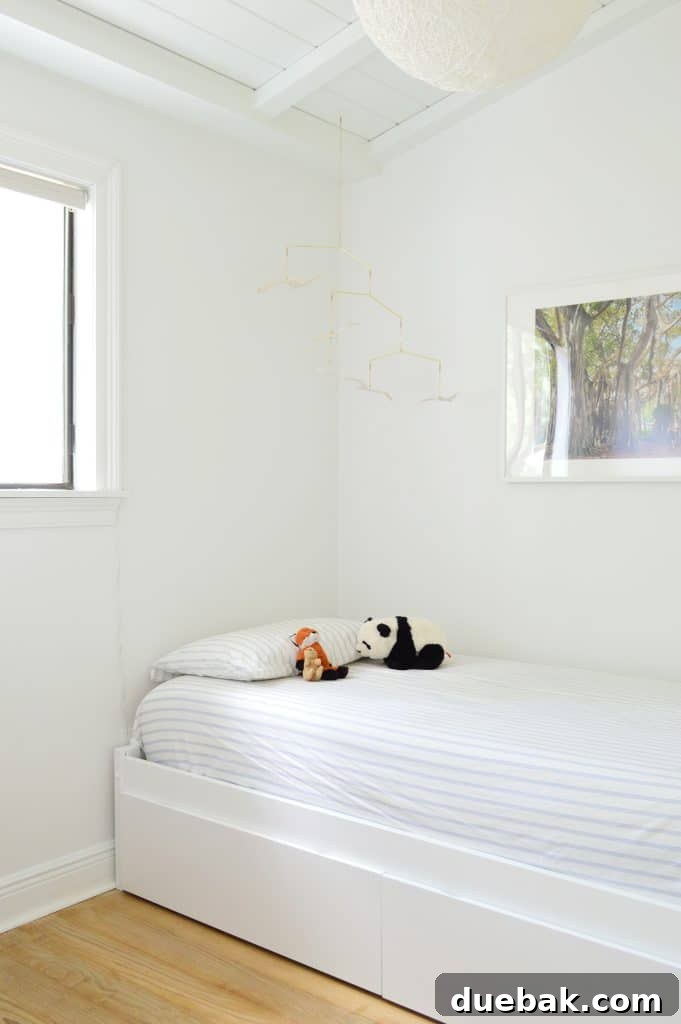
Here’s what his room looked like before — pretty bare since we had just moved in. (Update: after two years we added a colorful gradient accent wall and more built-ins.)
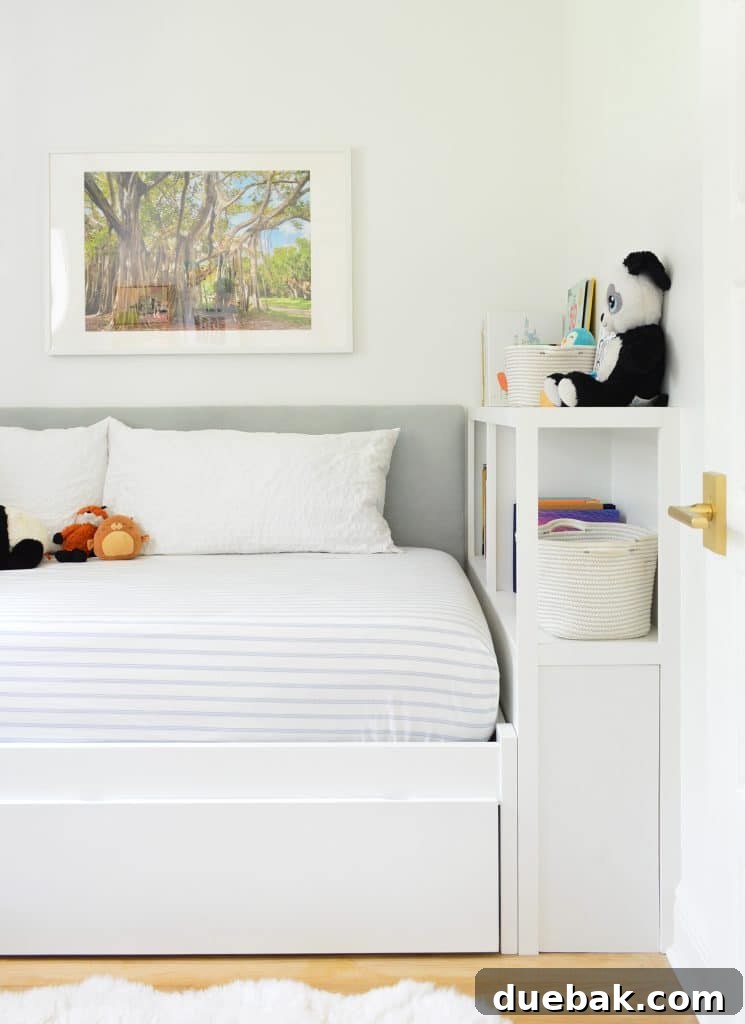
From experience in other kid spaces, we know small rooms often become favorite hangout spots. Adding a padded headboard raises the lounge factor and makes the bed feel more like a big couch for chilling.
Table of Contents
Why Make A DIY Daybed Headboard?
Any bed benefits from a headboard, and this wraparound style works especially well for a daybed. It’s made from two separate panels that mount to the head wall and the side wall, creating a cozy corner. You can add a third panel if desired, choose whatever height fits your space, and pick any fabric you like for a highly customizable result.
Materials & Tools
Below is a concise list of supplies and tools for this lightweight, wall-mounted upholstered headboard. Exact amounts depend on your headboard dimensions.
- 1×2 pine boards for the frame
- Pocket hole jig (optional)
- Saw (miter saw recommended)
- Power drill
- Staple gun
- Upholstery batting (one or more layers)
- 2–4 yards of fabric, depending on size
- Stud finder
- Level
- Long nails or screws for mounting
- Scissors
How To Make A DIY Headboard
These are the basic steps for this project. Each step is simple and forgiving, making this a great weekend build.
- Build a lightweight wooden frame
- Wrap the frame in batting
- Cover the batting with fabric
- Hang the headboard on the wall
Step 1: Build A Lightweight Wooden Frame
This approach uses a simple wooden frame that hangs on the wall like a picture. You can also use plywood or MDF for a more solid, heavier headboard, which works well if you plan to attach the headboard to a bed frame.
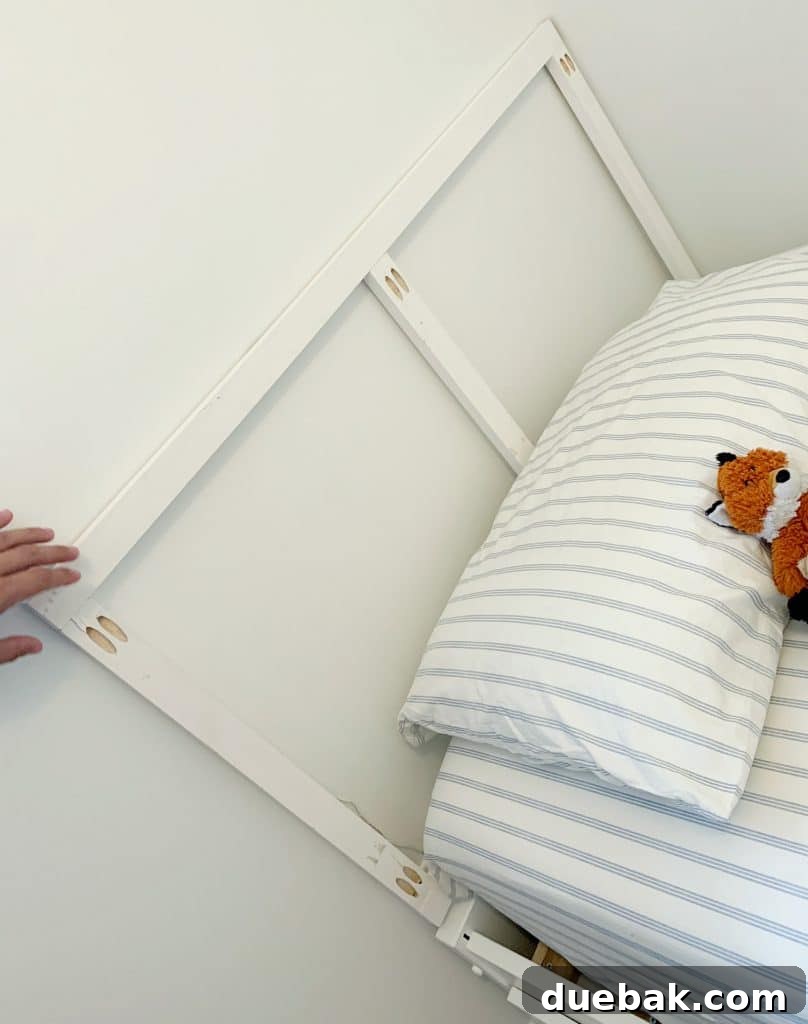
Customize the frame width to your mattress and the height you want. Allow about 1/2″ of extra thickness for batting and fabric. Our frame measured 42″ wide by 25″ tall; we added a center support for stability.
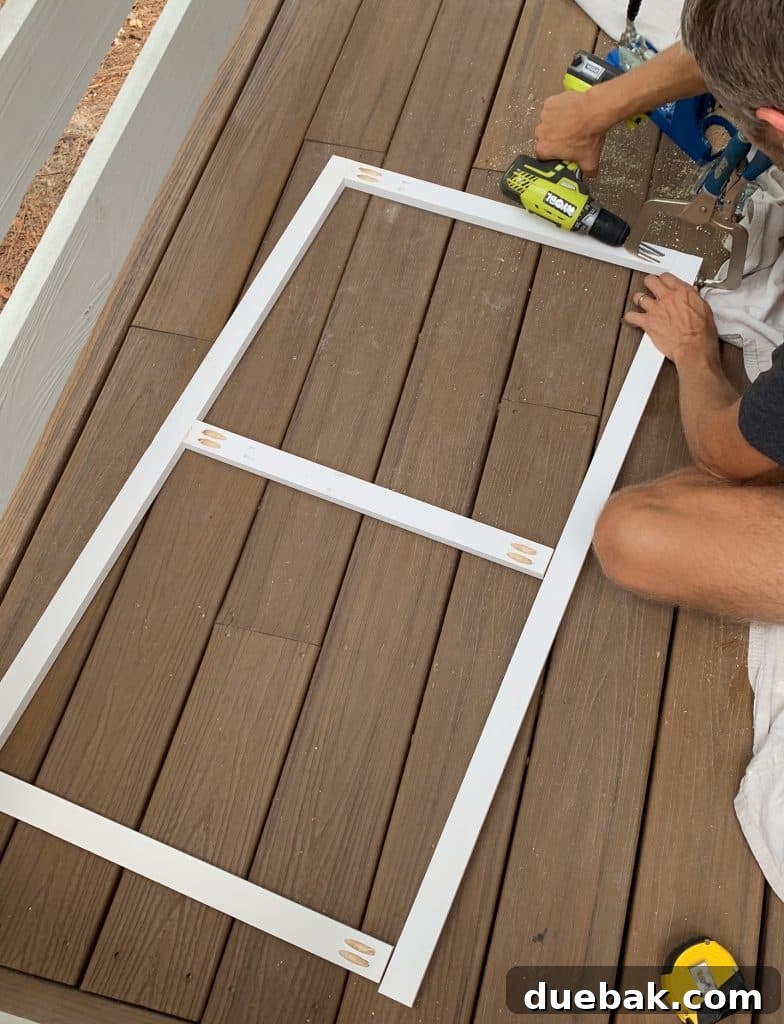
We used 1×2 boards cut to size and fastened them with pocket holes, but you can simply use wood screws if you prefer. Since the frame will be covered, appearance isn’t critical. Drill pilot holes first to avoid splitting the wood.
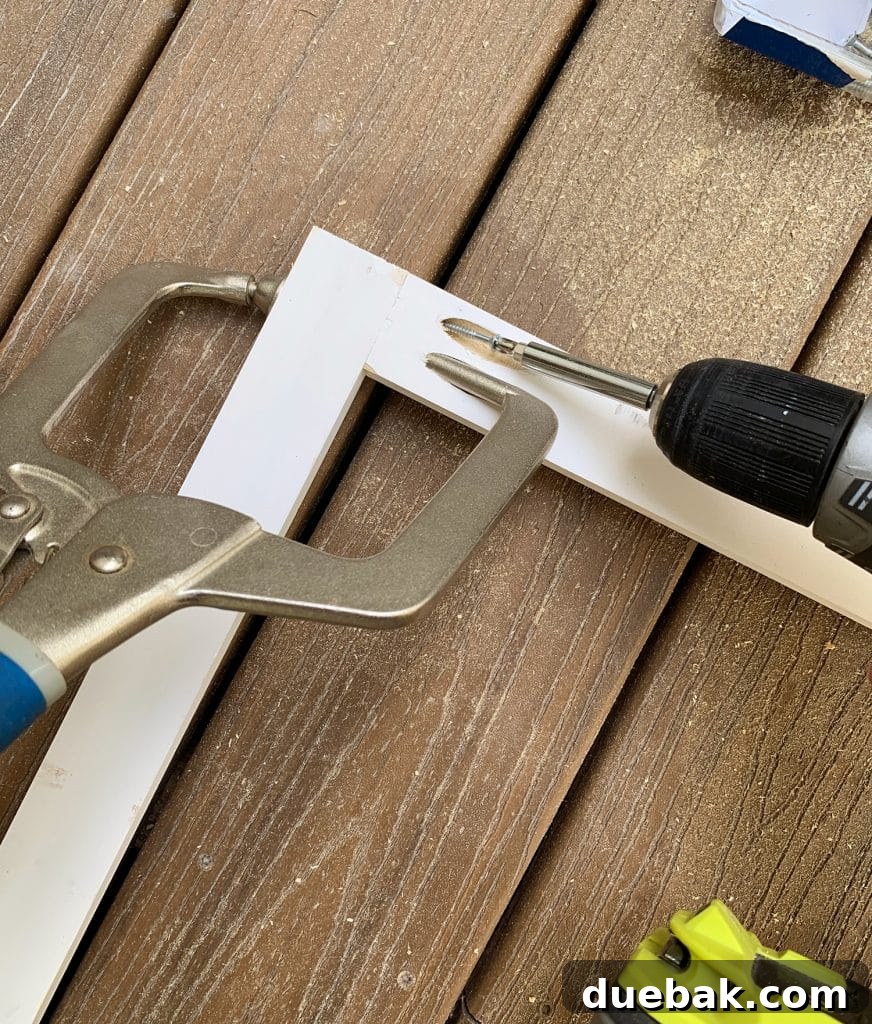
Step 2: Wrap Frame In Batting
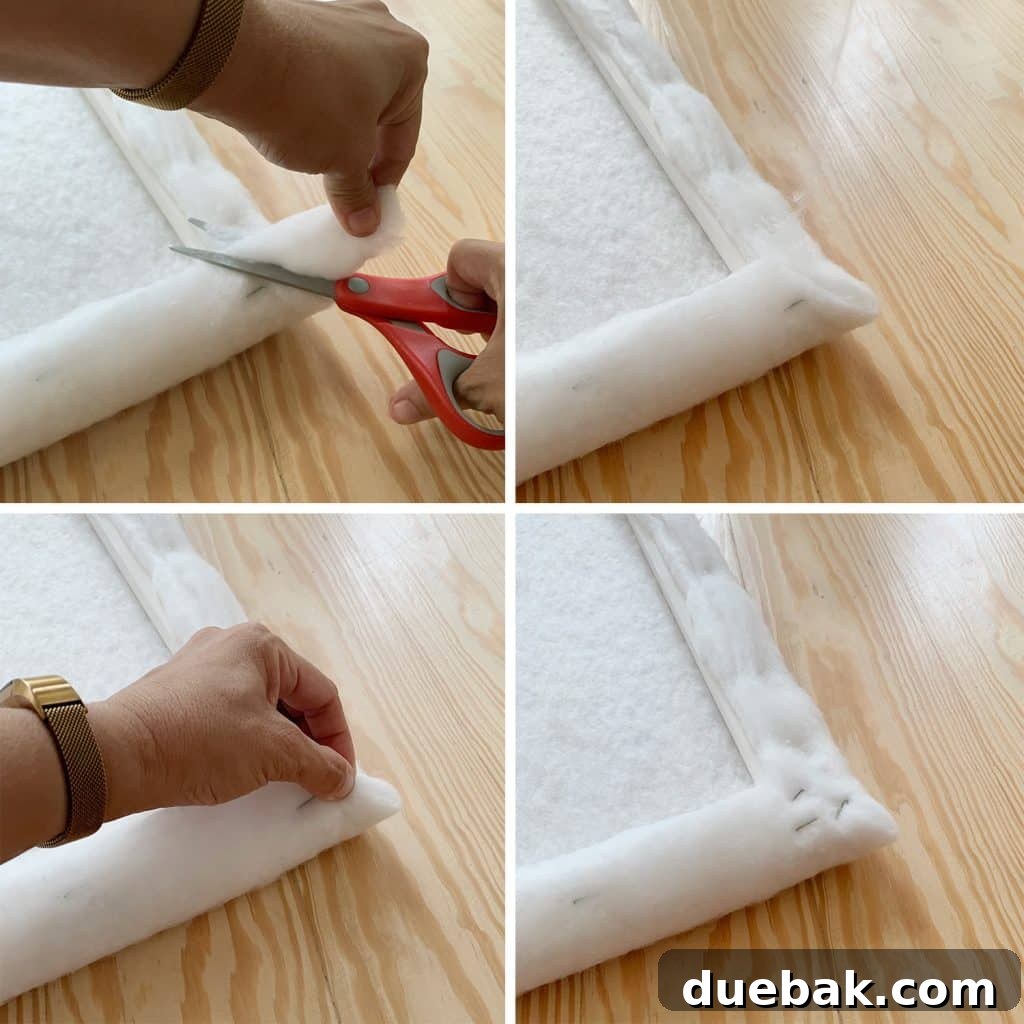
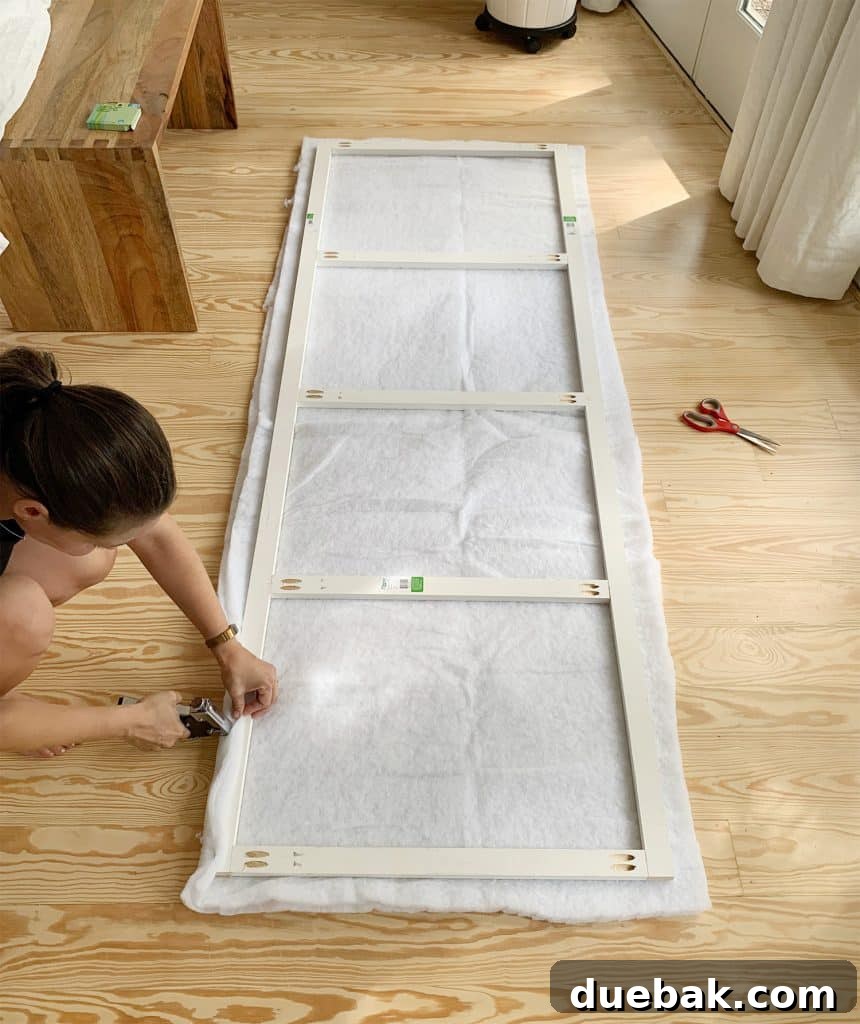
Wrap the wooden frame with upholstery batting before adding fabric. Cut the batting with a 2–3″ overhang on all sides, fold it over the frame, and staple it in place. Depending on how plush you want the headboard, use one or multiple layers of batting — we used two.
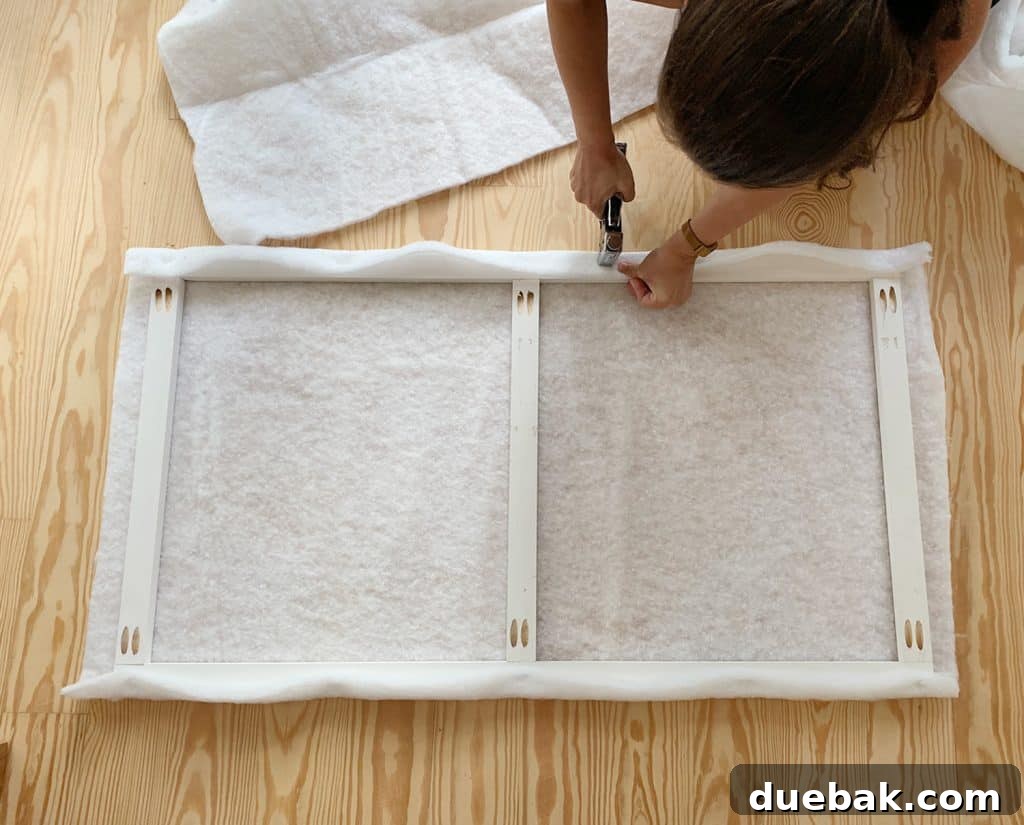
TIP: Wrap your corners like a present. Pull the corners together, trim excess, and staple neatly to avoid bulky corners. Since this is the back of the headboard, the goal is to keep the surface flat so it sits flush against the wall.
Alternate Idea: Glue on Upholstery Foam
For a plusher headboard, glue upholstery foam to the frame instead of batting. You may need extra cross supports to prevent sagging. Foam adheres easily with craft glue; just be sure to buy enough thickness to cover the frame evenly.
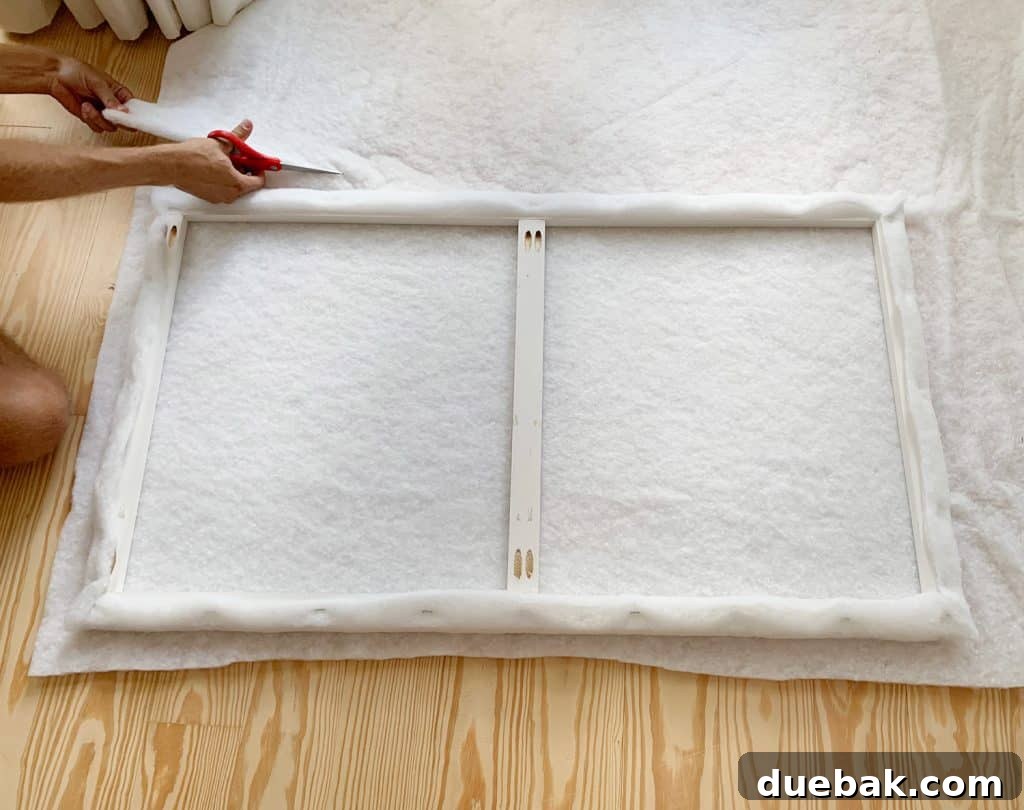
Step 3: Repeat With Your Fabric
Cover the batting with your chosen fabric the same way: leave a 2–3″ overhang, fold, and staple. If your fabric has a directional pattern or stripe, plan placement carefully so it reads straight. Stretchy fabrics require even tension to avoid distortion; upholstery-weight fabric typically behaves best.
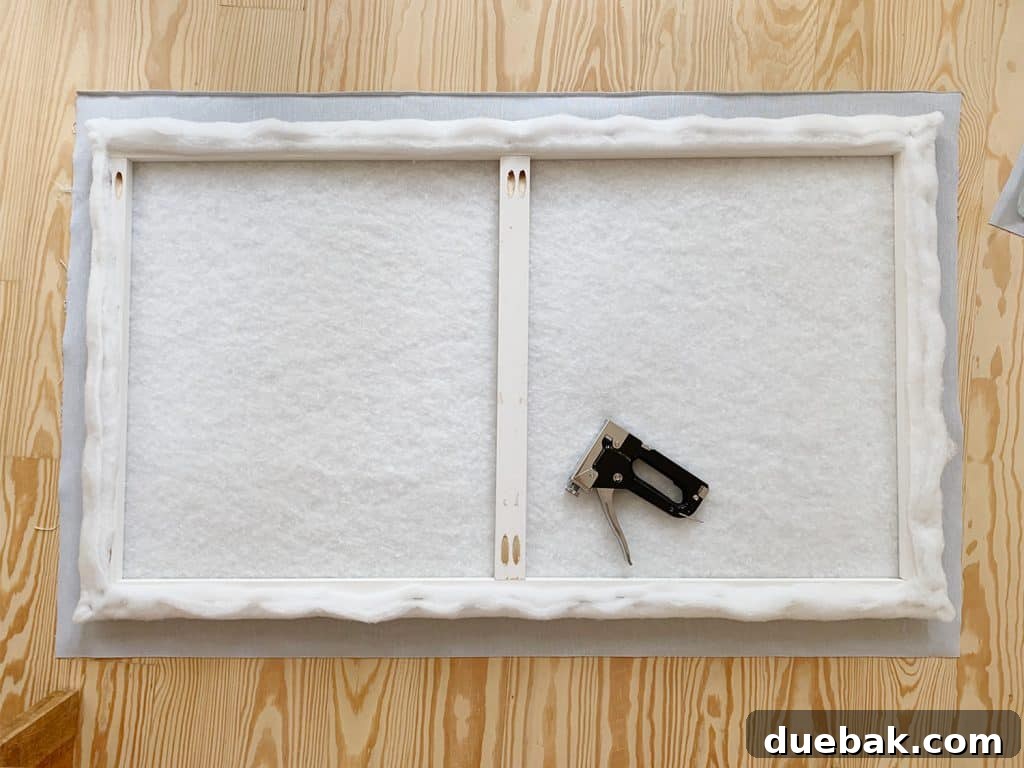
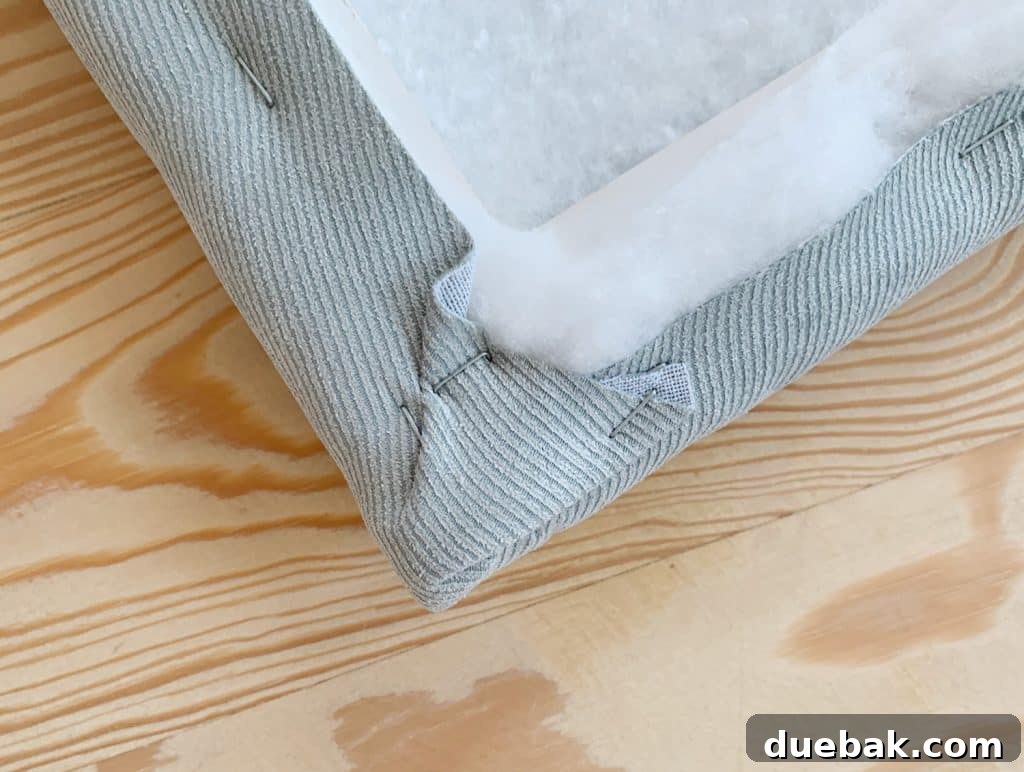
Take time with the corners, checking how the fabric looks from the front before finishing the staples. If you’re building a wraparound daybed, repeat Steps 1–3 for the other panels. For longer panels you may want additional center supports.
Step 4: Hang Your Headboard On The Wall
Hang the finished headboard like a picture frame. For heavier or larger pieces you may prefer a french cleat, but this lightweight frame can be mounted with long picture-hanging nails or screws driven into studs. Use a stud finder to locate studs and a level to ensure the headboard sits straight. Rest the frame on the nails or screws and the mattress will help secure the panels in place.
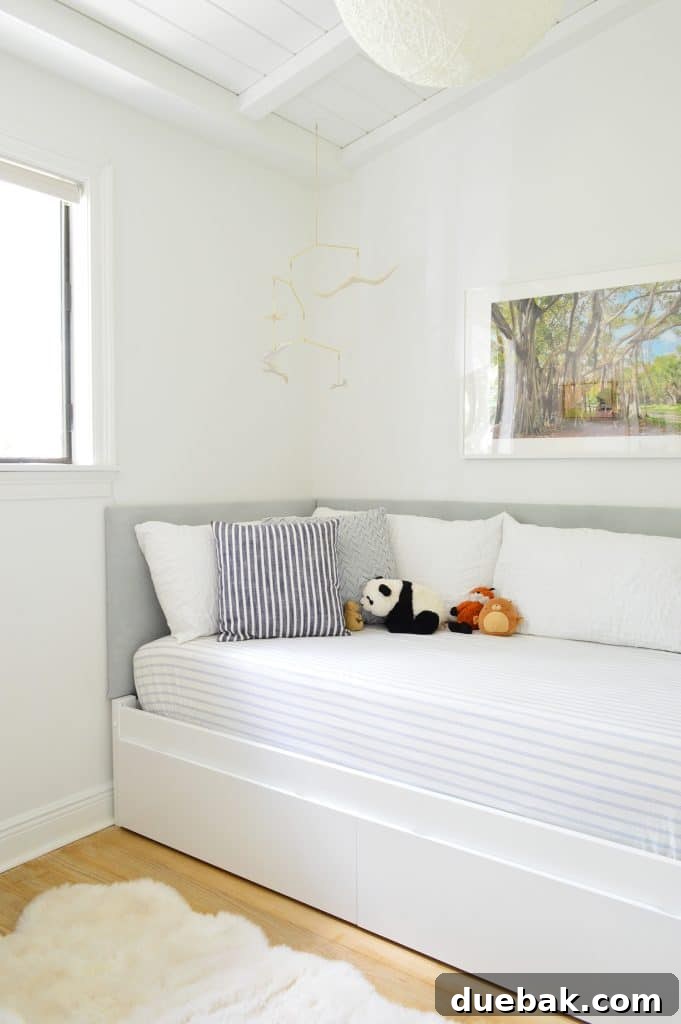
We didn’t fasten the corner pieces together; they simply butt up against each other and are held by the mattress. The finished fabric we used has a subtle diagonal rib that gives the headboard a cozy texture and a soft, inviting look.
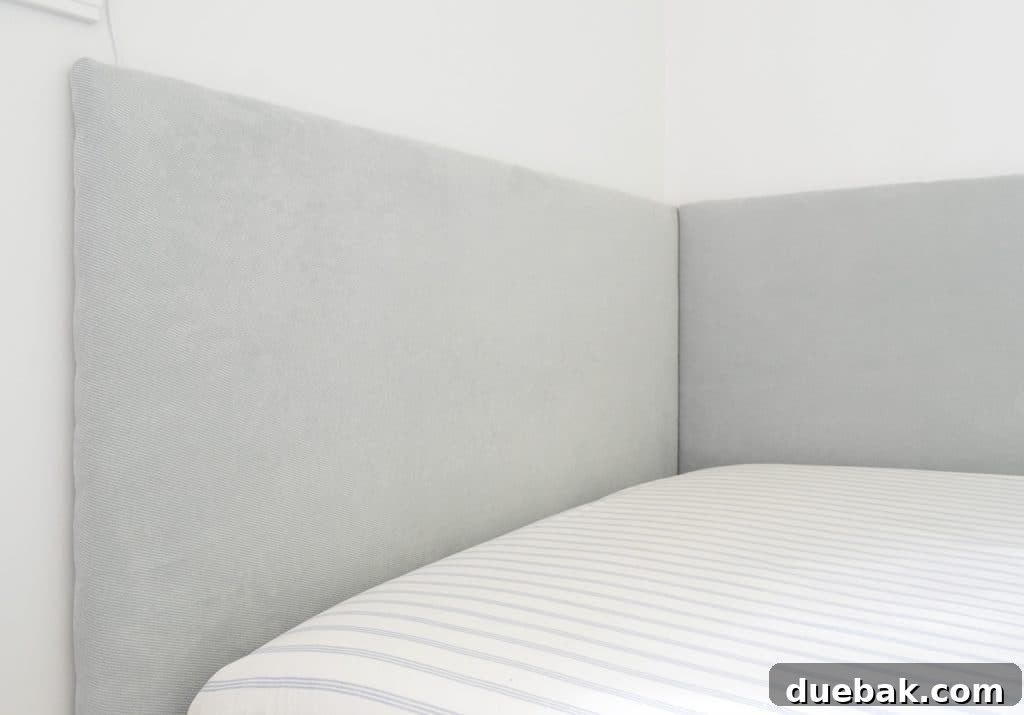
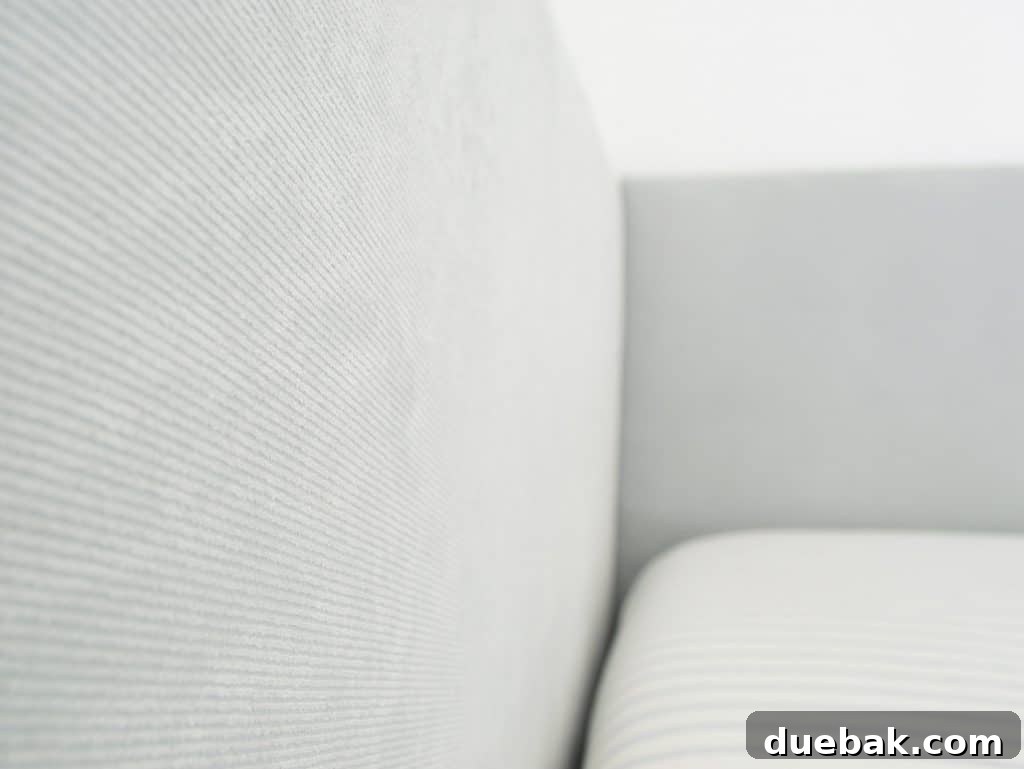
We’re still deciding on paint, wallpaper, or a wall treatment for the rest of the room, so this is how it looks about eight weeks into living here — a cozy start with lots of possibilities.
More DIY Headboard Tutorials
If you’d like more ideas, here are a few other projects that use similar techniques:
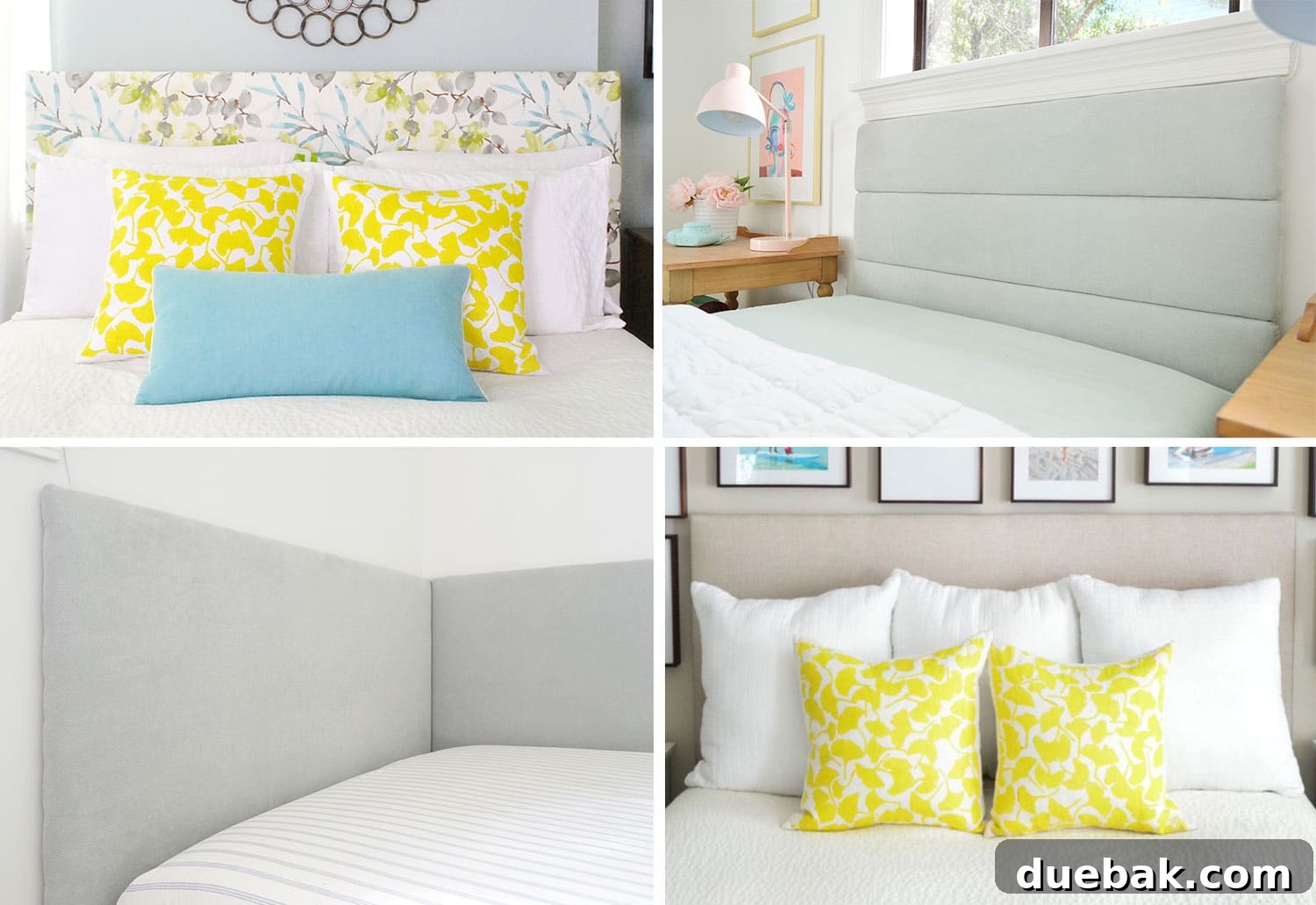
- Adding an upholstered headboard to an existing bed
- Making a channel-tufted headboard
- Creating a lightweight fabric headboard
*This post originally referenced affiliate links; purchases through affiliate links may generate a small commission at no extra cost to you.