

For too long, the common belief has been that every houseplant needs a sun-drenched corner or a brightly lit windowsill to truly flourish. This widespread misconception often deters aspiring plant parents with less-than-sunny homes. However, a delightful truth is emerging: many beloved houseplants are perfectly content, and even thrive, in dimmer corners and low-light environments. So, before you dismiss your home as unsuitable for greenery, explore this comprehensive guide to the best indoor plants for low light. You’ll be pleasantly surprised by the wealth of beautiful and resilient options available!

While our upstairs family room boasts an abundance of natural light thanks to expansive, unobstructed windows on all four sides, the majority of our thriving indoor plant collection resides downstairs. This lower level receives significantly less direct sunlight, yet it hasn’t hindered our passion for cultivating a diverse array of happy and healthy houseplants. Our experience proves that even homes with limited natural light can become vibrant, green sanctuaries.
Table of Contents
The Ultimate List: 9 Houseplants That Embrace the Shade
Curious about which plants will flourish in those dimly lit corners of your home? Look no further! Here’s a curated list of our absolute favorite low-light indoor plants. We’ll delve into detailed care information for each one further below, but for now, keep this quick reference handy for your next visit to the plant nursery:
- Snake Plant (Dracaena trifasciata)
- ZZ Plant (Zamioculcas zamiifolia)
- Pothos (Epipremnum aureum)
- Heartleaf Philodendron (Philodendron hederaceum)
- English Ivy (Hedera helix)
- Aglaonema (Chinese Evergreen)
- Cast Iron Plant (Aspidistra elatior)
- Monstera (Monstera deliciosa)
- Parlor Palm (Chamaedorea elegans)
What makes this list truly special is that these aren’t merely “consolation plants” that one grudgingly accepts for a darker home. On the contrary, most of these varieties are plants we would enthusiastically choose regardless of light conditions, simply for their inherent beauty, lush foliage, and vibrant charm. The fact that they are also incredibly easy-care and tolerant of low light is simply the perfect bonus, making them ideal for any indoor space.
Decoding “Low Light”: What It Truly Means for Your Plants
It’s crucial to clarify what “low light” implies in the world of houseplants. It absolutely does not mean no light. All plants, without exception, require some form of light to perform photosynthesis and survive. Spaces completely devoid of natural light, such as windowless basements, interior bathrooms, or closets, will necessitate artificial lighting, like full-spectrum grow lights, to sustain plant life. However, if you prefer to avoid the complexities of artificial lighting, consider “low light” spaces as areas where your plant can clearly see a window but doesn’t have a direct view of the sky. This typically signifies a spot that receives ample indirect light – the preferred type of illumination for many popular houseplants.

Furthermore, “low light” also encompasses rooms that receive only limited or filtered sunlight. This often includes North-facing rooms, areas with small or few windows, and spaces where external factors like mature trees, shaded porches, or window coverings significantly diminish direct sunlight penetration. The inviting room depicted above exemplifies many of these low-light conditions, yet it successfully hosts a variety of thriving plants.
Before you feel discouraged by your home’s perceived lack of sunshine, remember a vital detail: most indoor plants genuinely dislike direct sunlight. Exposure to intense, unfiltered sun can lead to scorched, brown, or crispy leaves, severely damaging your plant. In reality, those shadier spots away from direct windows may actually provide the perfect, gentle environment for many plant species, proving more beneficial than you might initially think.
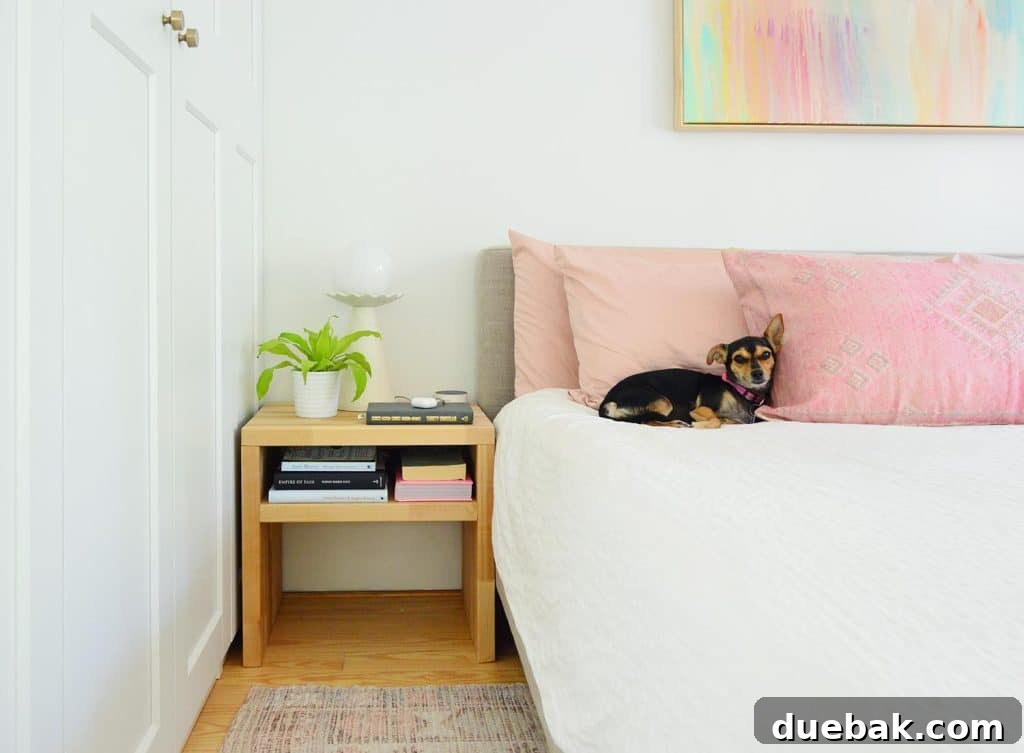
In fact, these low-light conditions often beautifully mimic the natural habitats of many popular houseplants. You’ll observe that a significant number of beloved indoor plants are tropical varieties. This is because tropical plants are accustomed to the consistent, warm temperatures found within our homes. However, in their native environments, these plants typically grow on the forest floor, where they have evolved and adapted to thrive in the dappled shade beneath a dense canopy of trees. Understanding this natural adaptation helps explain their remarkable resilience in our homes’ dimmer spaces.
Thriving or Surviving? Understanding Plant Growth in Dimmer Conditions
Many plant guides often boldly declare that these low-light plants “thrive” in minimal light. While true to an extent, this might be a slight overstatement. Generally, most plants truly thrive – meaning they exhibit faster, fuller growth, develop brighter foliage, and may even bloom more prolifically – when they receive more optimal light. If your aspiration is to cultivate exceptionally large, award-winning specimens, then by all means, provide your plants with abundant indirect or diffused sunlight.
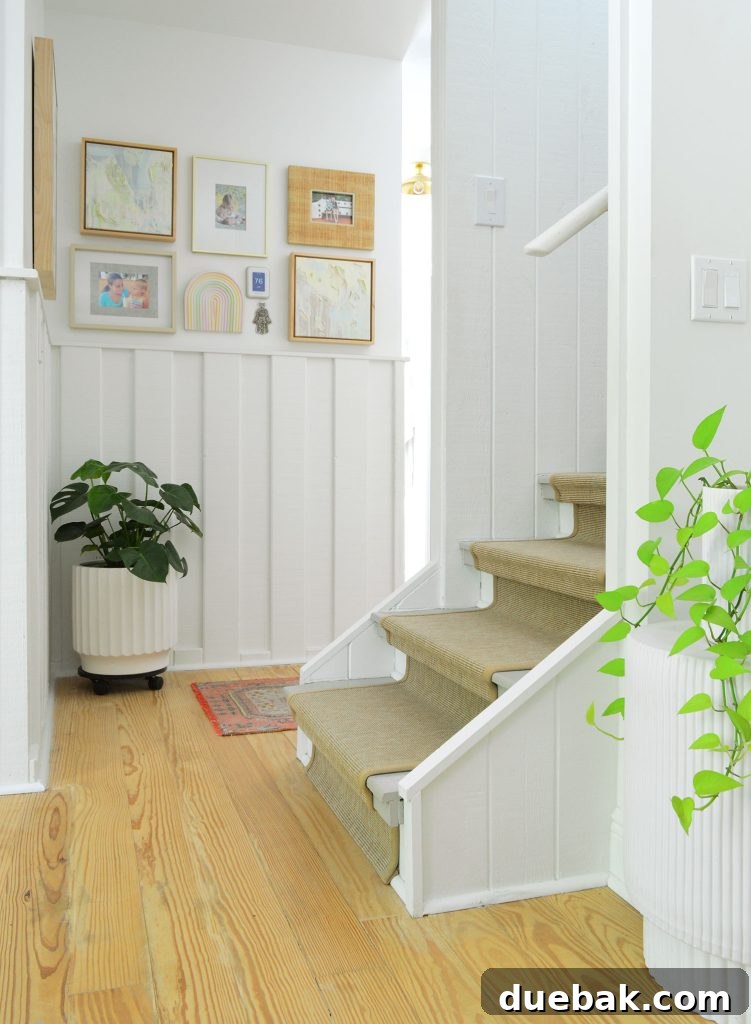
However, for the majority of us, the primary objective is simply to keep our plants alive, healthy, and visually appealing. We want to avoid premature plant demise, prevent wasted investment, and certainly don’t want a scraggly, dying plant casting a gloomy shadow from across the room. But we also don’t necessarily need it to double in size overnight or display a vibrancy that outshines every other plant. This is precisely where the plants on our list excel. While they might not grow at breakneck speed in low light, they endure, demand minimal attention, and appear genuinely content with their subdued existence. For most homeowners, this level of resilience and low maintenance is more than satisfactory, making them perfect companions for any living space.
Our Top Picks: Favorite Low-Light Indoor Plants
This carefully curated list is a culmination of extensive personal experience, valuable insights from horticultural experts, and a wealth of crowd-sourced advice (we’re big fans of a good Reddit thread on plant care!). We’ve also specifically narrowed it down to plants that we genuinely find aesthetically pleasing for indoor decor. With all due respect, some popular low-light plants simply don’t make our cut – yes, Peace Lily, we’re looking at your dramatic wilting act every time you’re thirsty! So, here are the varieties we wholeheartedly endorse and have proudly welcomed into our own homes:
1. Snake Plant (Dracaena trifasciata)

The Snake Plant, formerly known as Sansevieria trifasciata, is arguably one of the most iconic and popular low-light houseplants. While they will undoubtedly exhibit faster growth and more vibrant coloration in medium light, their tall, architectural form and striking variegated leaves maintain their beauty and presence even in dimmer settings. Snake plants are particularly celebrated for their air-purifying qualities, efficiently converting significant amounts of CO2 into oxygen, even through the night – making them an excellent choice for bedrooms. Other members of the Dracaena genus, such as the elegant Corn Plant (Dracaena fragrans), the resilient Dragon Tree (Dracaena marginata), and the charming Lucky Bamboo (Dracaena braunii), also demonstrate remarkable tolerance for low-light conditions, offering a diverse range of options for your home.
2. ZZ Plant (Zamioculcas zamiifolia)

Our ZZ Plants have consistently been among our most robust growers, flourishing effortlessly regardless of their placement in our home. Also affectionately known as the Zanzibar Gem, the ZZ Plant boasts exceptional drought tolerance due to its unique ability to store water in large, potato-like rhizomes beneath the soil. The specimen pictured above proudly stands near our north-facing front door, receiving no direct sunlight whatsoever. It previously lived just as contentedly in a dark hallway corner. These plants truly are incredibly low-maintenance and forgiving, making them perfect for busy individuals or novice plant enthusiasts. They require infrequent watering, often thriving on neglect, and their glossy, dark green leaves add a sophisticated touch to any interior.
3. Pothos (Epipremnum aureum)

Pothos plants are undoubtedly one of our all-time favorite low-maintenance houseplants, showcasing remarkable adaptability across a wide range of growing conditions. The striking Neon Pothos, featured above, effortlessly thrives in a high, shaded corner of our bedroom, producing a magnificent trailing vine despite minimal light exposure. Pothos are famously difficult to kill, earning them the fitting nickname “Devil’s Ivy” for their tenacious spirit. Their lush, heart-shaped leaves bring an instant tropical ambiance to any spot, regardless of the available light. They are also incredibly easy to propagate from cuttings, allowing you to expand your collection or share with friends. Varieties like Golden Pothos, Marble Queen Pothos, and Jade Pothos all offer distinct foliage patterns while maintaining the same hardy, forgiving nature.
4. Heartleaf Philodendron (Philodendron hederaceum)
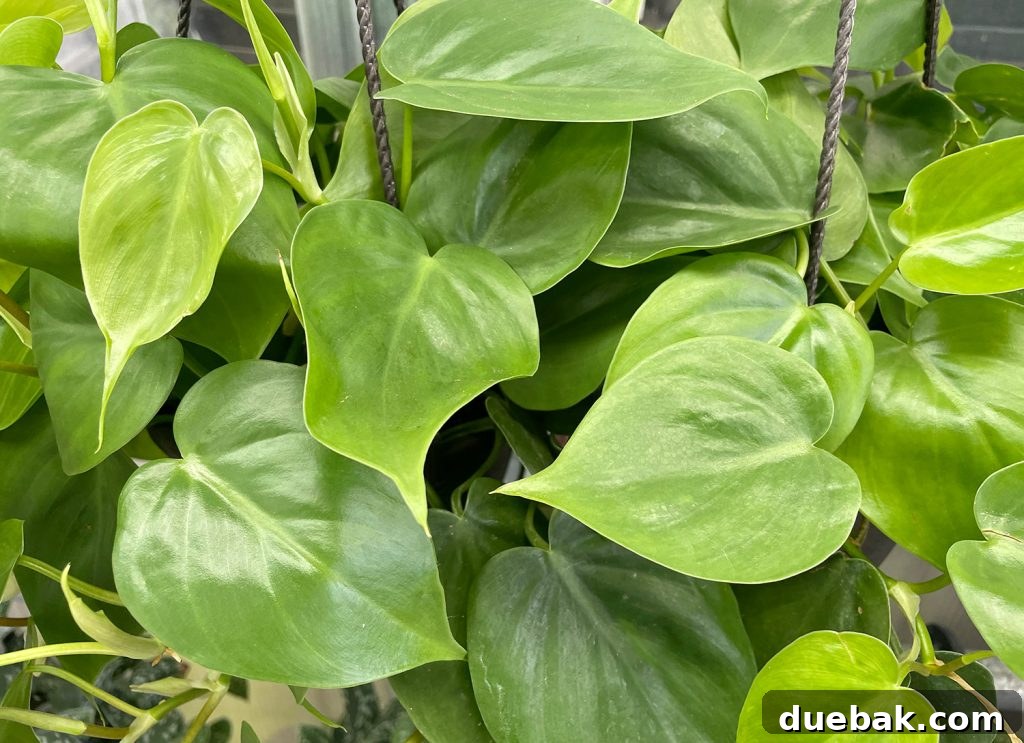
The Heartleaf Philodendron shares an uncanny resemblance with Pothos, often leading to confusion between the two. Both are charming vining tropical plants characterized by their spade-like leaves, though, as its name suggests, the Philodendron’s leaves typically exhibit a more pronounced heart shape. While we currently don’t have any of these beauties in our collection, they are an excellent and equally resilient alternative to a Pothos plant, performing exceptionally well in low-light environments. Their trailing habit makes them perfect for hanging baskets, high shelves, or allowing them to cascade gracefully from furniture. They appreciate consistent moisture but are forgiving if occasionally neglected, making them another fantastic choice for beginners seeking to add lush greenery to darker spaces.
5. English Ivy (Hedera helix)
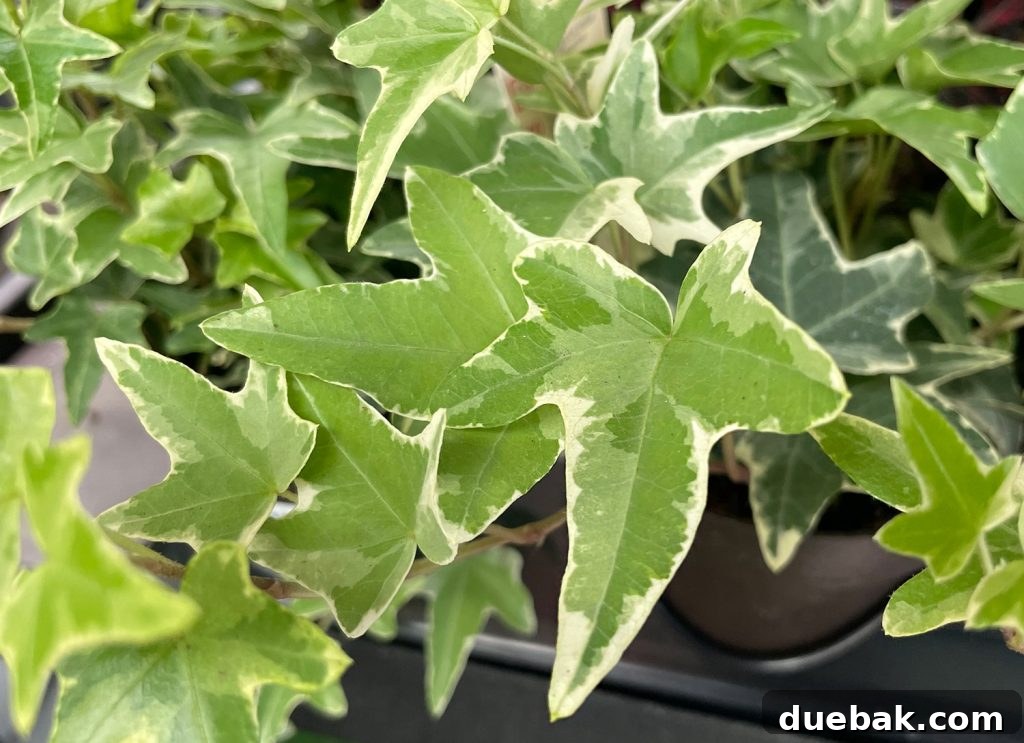
English Ivy is another versatile vining indoor plant that exhibits remarkable flexibility regarding its lighting preferences. Much like the Pothos or Heartleaf Philodendron, English Ivy can be artfully trained to climb a trellis or allowed to drape elegantly over the sides of cabinets, shelves, or hanging planters. While we personally lean towards the more vibrant, tropical aesthetic of a Pothos, English Ivy offers a distinct, classic, and somewhat traditional vibe. It comes in a variety of cultivars with different leaf shapes and variegations, allowing for diverse decorative applications. Although generally easy-care, English Ivy does appreciate consistent humidity and can be more susceptible to pests like spider mites if the air is too dry. Nevertheless, it remains a robust and beautiful option for bringing a touch of timeless greenery to your dimly lit indoor spaces.
6. Aglaonema (Chinese Evergreen)

Plants within the genus Aglaonema, commonly known as Chinese Evergreens, possess an astonishing tolerance for low light, especially considering their incredibly lush and tropical appearance. Their variegated foliage comes in an impressive array of colors, from deep greens to vibrant pinks, reds, and silvers, making them fantastic choices for adding a splash of color to an otherwise drab corner. We currently have two different varieties thriving atop our daughter’s closet – one of the darkest spots in our entire house – and they absolutely adore it there. Aglaonemas are also highly valued for their forgiving watering schedule, often needing water only every other week or so. This characteristic makes them perfect for out-of-reach locations or for individuals who prefer a more hands-off approach to plant care, offering beauty without demanding constant attention.
7. Cast Iron Plant (Aspidistra elatior)
The Cast Iron Plant, scientifically known as Aspidistra elatior, is another formidable tropical species that has rightfully earned a reputation for being nearly indestructible – hence its evocative nickname. This plant is a true champion of resilience, capable of enduring significant neglect, low light, inconsistent watering, and even fluctuating temperatures. It produces large, elegant, spear-shaped leaves that can resemble those of an Aglaonema but typically in a deeper, more uniform green. Like ZZ Plants, Cast Iron Plants utilize robust rhizomes to store water, allowing them to withstand extended periods of drought with remarkable grace. While they certainly appreciate bright, indirect sunlight, they perform exceptionally well and maintain their stoic beauty in genuinely low-light spots, making them an ideal choice for the most challenging corners of your home or for those who truly desire a set-it-and-forget-it plant.
8. Monstera (Monstera deliciosa)

Often affectionately referred to as the Swiss Cheese Plant due to the distinctive fenestrations (holes and splits) in its mature leaves, the Monstera deliciosa is another stunning tropical beauty that we’ve successfully cultivated in less-than-bright locations throughout our home. It’s true that more abundant light will encourage the development of larger, more dramatic leaves with pronounced fenestrations. This is why many Monstera enthusiasts typically recommend bright, indirect light conditions. However, we’ve deliberately included it on this list to assure you that a darker space shouldn’t be a barrier to bringing this magnificent plant home. We have a Monstera that is doing perfectly fine and continues to grow (albeit more slowly) in a low-light hallway. Its impressive size and unique foliage can still make a significant statement, even when light is limited.
9. Parlor Palm (Chamaedorea elegans)
The Parlor Palm is a charming, delicate-leaved palm known for its ability to grow in lush, dense clumps. Its elegant, feathery fronds bring an instant touch of tropical warmth and a sense of calm to any indoor setting, making even the dimmest location feel a bit sunnier. While these palms will achieve greater size and bushiness in brighter spots, they remain perfectly happy and maintain their graceful appearance in dim corners. They are relatively slow growers, especially in lower light, which makes them ideal for spaces where you don’t want a plant to quickly outgrow its spot. Parlor Palms are generally low-maintenance, requiring consistent moisture but disliking soggy soil. Their ability to purify the air and their graceful, arching form make them a sophisticated and reliable choice for adding a touch of verdant elegance to your low-light interiors.
Exploring More Low-Light Plant Options
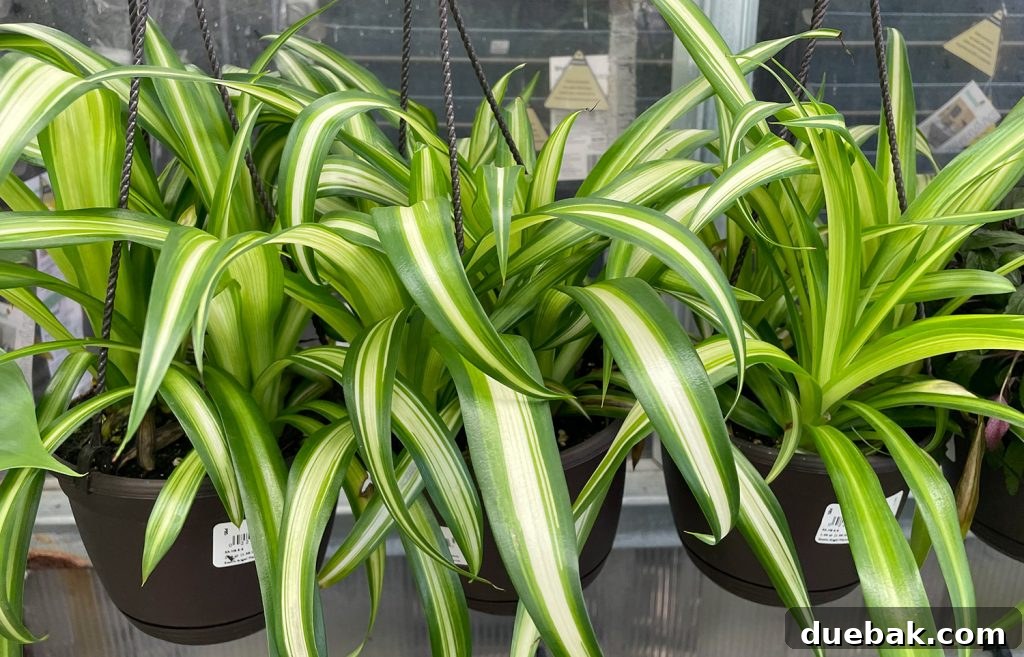
If our top 9 favorite low-light plants don’t quite capture your imagination, fear not! There are numerous other resilient varieties you can explore. While we haven’t personally cultivated all of these, and some may not perfectly align with our aesthetic preferences, we wanted to provide an even broader spectrum of choices. Do note that some of these alternatives might require a slightly more nuanced approach to care:
- Spider Plant (Chlorophytum comosum): Known for its arching leaves and “spiderettes” (baby plants), these are easy to grow and propagate, though variegation may be less pronounced in very low light.
- Dragon Tree (Dracaena marginata): A striking plant with slender stems and spiky, often reddish-edged leaves, offering a bold architectural statement.
- Lucky Bamboo (Dracaena braunii): While often sold in water, it’s actually a type of Dracaena that can thrive in soil under low light, bringing good fortune and serene beauty.
- Peace Lily (Spathiphyllum): Famous for its elegant white spathes (flowers) and ability to dramatically wilt when thirsty, making its watering needs obvious. It tolerates low light but flowers best in medium light.
- Staghorn Fern (Platycerium bifurcatum): An epiphytic fern with unique fronds resembling deer antlers, it thrives mounted on walls and tolerates indirect light and high humidity.
- Maidenhair Fern (Adiantum pedatum): A delicate and beautiful fern with airy, lacy fronds, it requires consistent moisture and very high humidity to thrive in low light.
- Dumb Cane (Dieffenbachia): Features large, often variegated leaves, providing a lush, tropical feel. It’s tolerant of low light but its sap is toxic if ingested, so handle with care around pets and children.
- Wax Plant (Hoya carnosa): A succulent-like vine with thick, waxy leaves and fragrant, star-shaped flowers (in brighter conditions). It’s incredibly forgiving and ideal for hanging.
Reading the Signs: When Your Plant Needs More Light
If you’re concerned that your beloved plant isn’t receiving adequate light, there are several visual cues to look out for. However, it’s important to remember that plants can decline for a multitude of reasons. In fact, overwatering is a far more frequent culprit than underwatering, often leading to yellowing leaves and root rot. This is particularly true for plants in lower light conditions, as they typically require less water than their counterparts in sunnier spots, where soil dries out much faster. Always ensure your pot has proper drainage holes and that your plant isn’t left sitting in standing water.
Leaning
Plants possess an inherent drive to seek out light, and they will visibly grow towards the closest available source. This phototropic response can cause your plant to develop a noticeable lean or an asymmetrical, lopsided appearance. THE FIX: To counteract this, make it a habit to rotate your plant a quarter turn each time you water it. Alternatively, consider relocating it to a spot that benefits from multiple light sources, encouraging more balanced growth.
Leggy Growth
The term “leggy” describes stems or vines that are long, sparse, and exhibit significant gaps between leaves. This is a classic indicator that your plant is desperately stretching to grow taller in an attempt to find more light, but it lacks the energy to produce lush, dense foliage as it climbs. THE FIX: The most effective solution is to move your plant to a brighter location or supplement its light with a dedicated grow light. You can also prune back leggy stems to improve its appearance and encourage bushier growth. Using clean, sharp shears, snip the stem just above a leaf node, being careful not to remove more than one-third of the stem at a time. These cuttings can often be propagated in water to develop new roots, and then replanted back into the original pot to create a fuller, more compact plant.
Changes in Leaf Appearance
If you observe a noticeable change in your plant’s leaf color or size since you first acquired it – perhaps they’ve lost their glossy sheen, vibrant green hue, or striking variegation – this often signals that your plant is conserving energy due to insufficient light. Similarly, if new growth is minimal, stunted, or significantly smaller than previous leaves, it’s a strong indicator of light deprivation. THE FIX: If a permanent move to a brighter spot isn’t feasible, consider introducing a grow light. Alternatively, temporarily relocate your plant to a brighter area for a few weeks, especially during the active growing seasons of spring and summer, to allow it to “soak in” more light and regain its vitality.
Expand Your Green Thumb with More Plant Guides

If you’re eager to delve deeper into the world of houseplants and discover more detailed information on some of our favorite varieties, explore these helpful guides below:
- Best Air Purifying Indoor Plants
- How to Propagate Succulents
- Marble Queen Pothos Care Guide
- Neon Pothos Care Guide
- Golden Pothos Care Guide
- Snake Plant Care Guide
- Aglaonema Care Guide
- Fiddle Leaf Fig Care Guide
- Tree Philodendron Care Guide
- How to Build An Easy Plant Shelf
- Make A DIY Wire Trellis
- What Is Keiki Paste For Plants?
- Getting Started With Houseplants, An Expert Interview
*This post contains affiliate links, so we may earn a small commission when you make a purchase through links on our site at no additional cost to you.