

The Ultimate Guide to Protecting Your Home: Essential Tips for a Secure Sanctuary
Transforming your house into a dream home with DIY projects and thoughtful upgrades is incredibly rewarding. But what’s the point of all that effort if you don’t safeguard your precious investment against unforeseen threats? Protecting your home from burglars, natural disasters, and hidden hazards is not just about material security; it’s about ensuring peace of mind for you and your loved ones. Fortunately, many effective safety measures are simpler to implement than you might think. This comprehensive guide will walk you through essential strategies to protect your home, ensuring it remains your safe and secure sanctuary.

1. Secure Your Valuables with a Safe Deposit Box
A safe deposit box at a bank is a cornerstone of comprehensive home security, offering an unparalleled level of protection for your most irreplaceable items. For a modest monthly or annual fee, you gain robust security against theft, fire, and flood – threats that even the most secure home safe might struggle to withstand. This is where you should store original birth certificates, marriage licenses, social security cards, passports, property deeds, car titles, wills, insurance policies, valuable jewelry, irreplaceable family heirlooms, and rare collectibles. The peace of mind that comes from knowing these critical documents and treasured possessions are secure from almost any disaster is truly invaluable. It also helps to declutter your home, as you won’t have to frantically search for important papers when you need them, such as during a name change after marriage or for other administrative tasks.
2. Implement a Multi-Layered Home Security System
Even if you reside in a low-crime area, a robust home security system is a wise investment. Modern security solutions offer multiple layers of protection, deterring potential intruders and alerting you to danger. Consider a professionally monitored alarm system that connects directly to emergency services; this can also lead to discounts on your homeowner’s insurance. Beyond alarms, install high-quality deadbolts on all exterior doors, ensuring they are properly fitted and robust. Motion-sensor lights around your property can surprise and expose anyone attempting to approach your home under the cover of darkness. If you have a dog, even a small one with a loud bark, it can act as an effective deterrent, alerting both you and your neighbors to suspicious activity. Combining these elements—an alarm, sturdy locks, effective lighting, and even a vigilant pet—creates a formidable defense against break-ins, significantly reducing the likelihood of your home being targeted.

3. Cultivate Strong Relationships with Your Neighbors
Your neighbors are an invaluable asset in protecting your home. Building friendly relationships with those living nearby fosters a sense of community and creates an informal neighborhood watch. When you know and trust your neighbors, you can confidently ask them to keep an eye on your property when you’re away, collect your mail, or even park in your driveway to make it look occupied. They can alert you to anything out of the ordinary, such as unfamiliar vehicles, open gates, or unusual noises. This communal vigilance can be crucial in preventing break-ins or responding quickly to emergencies like a fire or a fallen tree. A strong neighborhood bond offers a layer of protection that no technological system can fully replicate, providing both security and a supportive network for everyday needs.
4. Optimize Your Landscaping for Enhanced Security
The way you design and maintain your yard plays a surprisingly significant role in your home’s security. Overgrown bushes, tall shrubs, and unkempt trees can inadvertently provide cover for intruders, allowing them to approach windows or doors unseen. Regularly trimming back all vegetation, especially near entry points, eliminates potential hiding spots and increases visibility from the street and neighboring properties. Create an “open landscaping” plan where windows and doors are clearly visible. Consider thorny plants under windows as an additional deterrent. Removing dense foliage ensures that any suspicious activity is easily noticed, effectively reducing the appeal of your home as a target for criminals. A well-maintained, clear landscape not only boosts curb appeal but also significantly enhances your home’s protective measures.

5. Exercise Caution with Social Media and Travel Announcements
In today’s hyper-connected world, the urge to share every aspect of your life online can pose a significant security risk. Broadcasting your vacation plans or extended trips on social media platforms like Facebook, Twitter, or Instagram essentially advertises an empty home to a potentially wide audience, including those with ill intentions. Savvy criminals often scour these sites for such opportunities. To avoid becoming a target, resist the temptation to post about your travels in real-time. Instead, share your exciting vacation photos and stories only after you have safely returned home. Similarly, be mindful of any information shared on personal blogs or publicly accessible platforms that could indicate your absence. Prioritizing digital discretion ensures that you don’t inadvertently compromise your home’s security while you’re away, preventing the heartbreak of returning to a ransacked home.
6. Invest in an In-Home Fireproof and Waterproof Safe
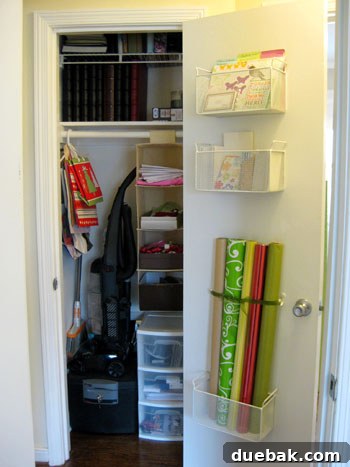
While a bank safe deposit box is ideal for critical documents and high-value items, an in-home fireproof and waterproof safe offers practical protection for sentimental valuables and frequently accessed important papers. This type of safe is perfect for items you’d be devastated to lose in a fire or flood but don’t necessarily need the off-site security of a bank. Think about photo albums, digital backups of family memories (like wedding photos or videos), copies of important documents, or small sentimental heirlooms. When choosing a safe, look for recognized fire ratings (e.g., UL rated for specific temperatures and durations) and water resistance. These safes are generally compact, allowing them to be discreetly stored in a closet, under a bed, or in a less obvious corner, providing an accessible yet secure spot for your most cherished, everyday treasures.
7. Install and Maintain Carbon Monoxide and Smoke Detectors
Carbon monoxide (CO) and smoke detectors are non-negotiable life-saving devices that every home must have. Smoke detectors provide early warning of fires, giving you precious time to escape. Carbon monoxide is an invisible, odorless, and deadly gas, making CO detectors essential for homes with fuel-burning appliances (furnaces, water heaters, gas stoves, fireplaces) or attached garages. Modern two-in-one detectors offer comprehensive protection in a single unit. Ensure you have enough detectors strategically placed throughout your home: at least one on every level, inside or outside sleeping areas, and near potential CO sources. Regularly test your detectors monthly and replace batteries at least twice a year, perhaps when you adjust your clocks for daylight saving time, as an easy reminder. This simple maintenance routine can literally mean the difference between life and death for your family.
8. Test Your Home for Radon and Mitigate as Needed
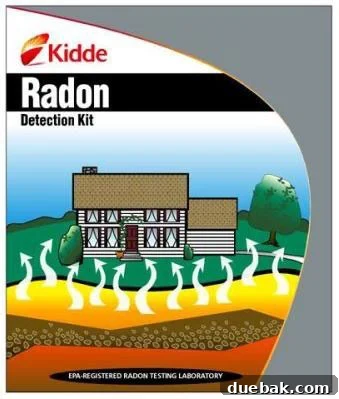
Radon is a naturally occurring radioactive gas that seeps up from the ground and can accumulate indoors, posing a serious long-term health risk, primarily lung cancer. Since radon is colorless and odorless, the only way to know if your home has elevated levels is to test for it. Radon testing kits are readily available and simple to use, or you can hire a certified professional. If tests reveal dangerous levels, don’t panic. Radon mitigation systems are highly effective at reducing indoor radon concentrations to safe levels, often even below outdoor air levels. While mitigation may involve an initial cost, the investment in your family’s health and safety is paramount. Proactive testing and mitigation ensure your home is not silently contributing to health risks, making it a truly safe environment for everyone.
9. Equip Your Home with Fire Extinguishers on Every Floor
While smoke detectors alert you to a fire, fire extinguishers empower you to tackle small fires before they escalate into major disasters. It’s crucial to have at least one multi-purpose (ABC-rated) fire extinguisher on each level of your home. The kitchen is a primary location for fires, so keeping one under the sink or near an exit is highly recommended. Other strategic locations include the garage, utility room, or near fireplaces. Learn the “PASS” method (Pull, Aim, Squeeze, Sweep) for proper usage and ensure everyone in your household knows where they are stored and how to operate them. While you hope never to use it, having a working fire extinguisher readily accessible provides a critical layer of immediate defense, offering immense assurance that you are prepared to protect your home and family from unexpected fire threats.
10. Protect Your Identity with a Document Shredder
Identity theft is a pervasive modern threat, and one of the easiest ways criminals gain access to your personal information is through discarded documents. A personal shredder is an indispensable tool for safeguarding your identity. Make a habit of shredding any documents containing sensitive information, such as bank statements, credit card offers, utility bills, medical records, and tax documents. This simple practice prevents dumpster divers from piecing together your financial life. Furthermore, be cautious about mailing sensitive documents. Instead of leaving bills with checks or tax information in your home mailbox with the flag up (making it an easy target for mail theft), drop them directly into a secure public mailbox or take them to the post office. These small but crucial steps significantly reduce your vulnerability to identity fraud and financial exploitation.
11. Ensure the Safety of Your Tap Water
Access to safe drinking water is fundamental to household health. Unfortunately, tap water can sometimes contain contaminants like lead, arsenic, chlorine, pesticides, or even pharmaceutical residues. Fortunately, your local municipality is legally required to test water quality annually and provide reports to residents, making it easy to understand what’s in your drinking water. Reviewing these reports is a great first step. For additional assurance, consider installing a water filtration system. Options range from simple pitcher filters and faucet-mounted filters to under-sink systems and whole-house filtration units. Investing in a quality water filter ensures that you and your family are drinking clean, contaminant-free water, which is particularly important for households where water consumption is high. Protecting your health begins with ensuring the purity of the water you consume daily.
12. Stay Up-to-Date with Regular Home Maintenance and Check-ups
Proactive home maintenance is not just about aesthetics; it’s a vital component of long-term home protection and safety. Regular check-ups prevent minor issues from escalating into costly and dangerous problems. Schedule annual inspections for termites and other pests, which can cause significant structural damage if left unchecked. Ensure your HVAC system is serviced regularly to prevent breakdowns, improve air quality, and reduce the risk of carbon monoxide leaks. Have your plumbing and electrical systems inspected periodically to catch potential leaks, faulty wiring, or hazards. Keep a centralized record of all service providers and their contact information, along with a schedule of when each system or appliance needs inspection, replacement, or renewal. Building strong relationships with reliable service professionals through consistent business can often lead to better rates, valuable advice, and even insider tips on DIY solutions, ultimately saving you money and enhancing your home’s safety and longevity.
Protecting your home is an ongoing commitment, but one that offers immense rewards in peace of mind and the preservation of your most cherished asset. By implementing these practical and proactive measures, you’re not just safeguarding your property; you’re investing in the security and well-being of your family. Every step, from securing valuables to befriending neighbors and maintaining essential systems, contributes to creating a truly safe and resilient home. What other strategies do you employ to keep your home protected? We invite you to share your tips and insights, as collective knowledge is our strongest defense.