
Choosing the perfect paint finish is a pivotal decision in any home renovation or decorating project. It’s not merely about selecting a color; the finish dramatically impacts a room’s aesthetic, durability, and how easily it can be maintained. From the velvety touch of flat paint to the reflective gleam of high-gloss, each finish offers a unique set of characteristics that can transform a space. Understanding these differences, along with your personal preferences and the practical needs of each room, empowers you to make an informed choice that will stand the test of time and traffic.
This comprehensive guide delves into the world of paint finishes, breaking down the pros and cons of each type, their ideal applications, and offering expert tips to help you navigate your options. By the end, you’ll have a clear understanding of which finish will best suit your home’s unique style and functional demands, ensuring a beautiful and lasting result.
Understanding Different Paint Finishes
The sheen of a paint refers to its level of reflectiveness when dry. Generally, the less sheen a paint has, the more it will conceal imperfections. Conversely, higher sheen paints offer increased durability and washability, making them ideal for high-traffic or moisture-prone areas. Let’s explore the most common paint finishes available on the market.
Flat Paint: The Subtle Elegance
Flat paint, also known as matte paint, is characterized by its non-reflective, velvety appearance. It absorbs light rather than reflecting it, providing a rich, uniform color that gives walls a sophisticated and understated elegance. This finish is a favorite among designers for creating a sense of depth and warmth in a room.
Pros:
- Excellent at Hiding Imperfections: Flat paint is unparalleled in its ability to conceal minor dings, dents, patches, and wall blemishes. Its lack of sheen means light doesn’t bounce off uneven surfaces, making flaws much less noticeable.
- Easiest to Touch Up: Because it has no sheen, flat paint blends seamlessly when touched up, making spot repairs virtually invisible. This is a significant advantage for maintaining a flawless look over time.
- Rich Color Appearance: The non-reflective nature allows the true depth of the paint color to shine through, making colors appear richer and more vibrant.
- Modern Durability: While traditionally seen as less durable, modern advancements in paint technology have significantly improved the scrubbability and resilience of high-quality flat paints. Many contemporary flat paints can withstand gentle wiping and cleaning with common household sponges or magic erasers for small marks and scuffs.
Cons:
- Lower Washability (Traditionally): Older flat paints were notoriously difficult to clean without leaving shine marks or rubbing off the paint. Though improved, they are still not as scrubbable as higher sheen finishes.
- May Show Scuffs More Readily: In very high-traffic areas, scuffs and marks might be more visible on flat paint compared to its glossier counterparts, though they are usually easier to touch up.
Ideal Applications:
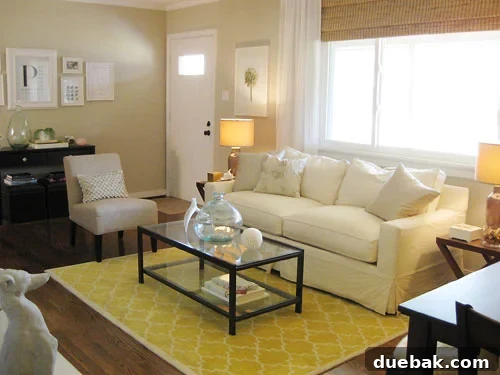
Flat paint is an excellent choice for low-traffic areas where elegance and imperfection-hiding are paramount. Consider it for master bedrooms, guest rooms, formal dining rooms, and living rooms. It is also the universal choice for ceilings in almost every room of the house (except sometimes in bathrooms where moisture resistance is key), as it helps to mask any ceiling imperfections and keeps the focus on the walls and decor.
In our experience, we have found flat paint to be a fantastic option for the majority of our home’s walls, excluding the kitchen, bathrooms, and nursery. Its ability to deliver a smooth, even look, effectively camouflaging minor dings and cracks that would otherwise be glaringly obvious with a glossier finish, is invaluable. This finish also extends to most of our ceilings, further contributing to a consistent, unblemished aesthetic throughout the home.
Eggshell Paint: The Gentle Sheen
Eggshell paint gets its name from its resemblance to a chicken eggshell – it has a very subtle, low-luster sheen that is just a step up from flat. It offers a soft glow when light hits it, creating a sophisticated look that is less matte than flat but far from shiny. This finish strikes a popular balance between aesthetics and practicality.
Pros:
- Improved Durability and Washability: The slight sheen in eggshell paint provides a protective layer, making it more resistant to fingerprints, scuffs, and everyday wear and tear compared to flat paint. It’s also easier to wipe clean with a damp cloth.
- Still Hides Minor Imperfections: While not as effective as flat paint, eggshell still does a commendable job of camouflaging minor wall imperfections, much better than satin or higher sheens.
- Soft, Welcoming Look: The subtle sheen adds a touch of sophistication and depth without being overly reflective, creating a warm and inviting atmosphere.
Cons:
- Harder to Touch Up than Flat: The slight sheen means that touch-ups, while still possible, can sometimes leave a faint outline or “flash” where the new paint meets the old, especially if the original paint has faded or changed color over time.
- Not as Durable as Higher Sheens: While an improvement over flat, eggshell still won’t withstand heavy scrubbing or significant moisture as well as satin or semi-gloss finishes.
Ideal Applications:
Eggshell is a versatile choice for moderate-traffic areas. It’s often recommended for family rooms, bedrooms, dining rooms, and hallways where a bit more durability and washability are needed without sacrificing a soft, elegant aesthetic. It’s a great option for homeowners who desire a matte look but need a touch more resilience. While we personally tend to simplify our paint choices to a few core finishes to maintain consistency across our projects, eggshell is undoubtedly a fantastic choice for many. Its balanced properties make it a go-to for those seeking both subtle beauty and practical resilience.
Satin Paint: The Versatile All-Rounder
Satin paint offers a smooth, velvety appearance with a distinct sheen that is more noticeable than eggshell but less glossy than semi-gloss. It’s often described as having a pearl-like finish, reflecting a moderate amount of light to create a soft glow. This finish is renowned for its balance of elegance, durability, and ease of maintenance, making it one of the most popular choices for interior walls.
Pros:
- Excellent Durability and Washability: Satin paint forms a strong, protective surface that is highly resistant to moisture, stains, and daily wear and tear. It can be easily wiped down or gently scrubbed, making it ideal for busy households.
- Versatile Aesthetic: Its balanced sheen provides a sophisticated look that works well in both formal and casual settings. It adds a subtle shimmer without being overly reflective, contributing to an inviting atmosphere.
- Good Moisture Resistance: The higher sheen level makes satin paint a solid choice for areas exposed to moderate humidity, offering better protection than flat or eggshell.
Cons:
- More Prone to Showing Imperfections: While better than semi-gloss, satin paint will highlight wall imperfections more than flat or eggshell finishes. Thorough surface preparation is advisable.
- Noticeable Touch-Ups: Due to its sheen, touching up satin paint can be challenging. It often results in a visible “flash” or ring where new paint overlaps old, especially if the original paint has aged. Repainting an entire wall is sometimes recommended for seamless results.
Ideal Applications:
Satin paint is incredibly versatile and a top choice for high-traffic areas throughout the home. It’s frequently used in living rooms, dining rooms, children’s bedrooms, playrooms, and especially in kitchens and bathrooms where washability and moisture resistance are critical. Its elegant finish also makes it suitable for more formal spaces where a touch of shimmer is desired without the intensity of a high-gloss finish, such as a candle-lit dining room.
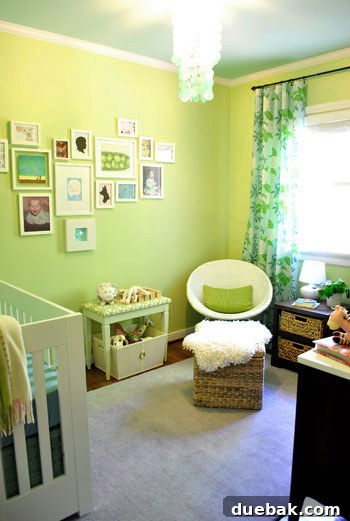
For our nursery, we specifically chose satin paint, recognizing its enhanced wipe-ability as a crucial feature for a child’s space, while still appreciating its capacity to subtly conceal most wall imperfections—a characteristic that distinguishes it from the more reflective semi-gloss or high-gloss options that tend to magnify every ding and dent. This choice represented a thoughtful compromise, perfectly blending kid-friendly functionality with a smooth, aesthetically pleasing finish. In our new residence, our preference has evolved, leading us to apply satin paint across all wall surfaces, with the deliberate exceptions of the kitchen and bathrooms. This decision is largely influenced by having an active child, making the slightly improved wipe-ability and durability of satin an ideal solution for general living areas.
Semi-Gloss Paint: The Durable Workhorse
Semi-gloss paint is a highly durable and lustrous finish with a distinct, radiant sheen that reflects a significant amount of light. It creates a smooth, hard surface that is both functional and visually appealing, especially on architectural details. Its inherent toughness makes it a preferred choice for areas demanding exceptional resilience.
Pros:
- Superior Durability: Semi-gloss paint offers unmatched resistance to wear, chipping, and fading. Its hard finish holds up exceptionally well against constant contact and heavy use.
- Exceptional Washability and Moisture Resistance: This finish is incredibly easy to clean. Spills, grease, grime, and fingerprints wipe away effortlessly, making it perfect for the messiest areas of the home. It also performs brilliantly in high-humidity environments, preventing mildew growth and peeling.
- Brightens Spaces: The reflective quality of semi-gloss paint can help to bounce light around a room, making spaces feel brighter and more expansive.
Cons:
- Highlights Imperfections: The high sheen of semi-gloss paint means it will magnify every bump, dent, or imperfection on the surface. Meticulous surface preparation is essential for a flawless finish.
- Difficult to Touch Up: Achieving an invisible touch-up with semi-gloss paint is notoriously challenging. The new paint often creates a noticeable “flash” or “ring” around the touched-up area, making full repainting of a surface the most reliable solution for repairs.
- Can Be Too Shiny for Walls: For some, the reflective quality might be too intense for large wall surfaces, potentially creating an overwhelming or overly sterile aesthetic in living areas.
Ideal Applications:
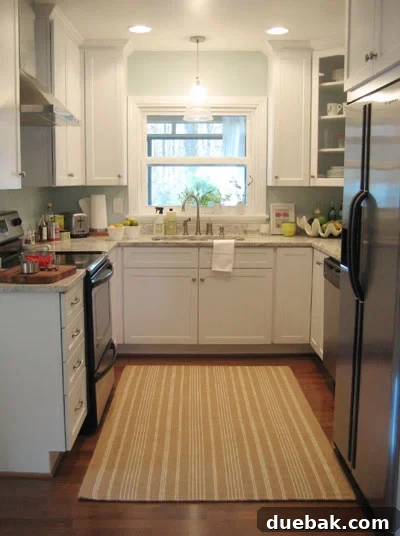
Semi-gloss paint is the ultimate choice for areas exposed to water, grease, and heavy traffic. It is perfectly suited for kitchens, bathrooms, and laundry rooms, where its durability and ease of cleaning are paramount. Beyond walls, it excels on all interior and exterior doors, window and door trim, baseboards, cabinets, and other architectural moldings. Its robust nature makes it ideal for protecting these frequently touched and exposed surfaces.
Both of our bathrooms, including the ceilings, are painted in semi-gloss, as is the kitchen, though we opted for a flat ceiling in the kitchen due to less steam and moisture compared to the bathrooms. We also extensively use semi-gloss for all our interior and exterior doors, as well as all molding and trim throughout our home. This choice significantly enhances their wipe-ability and simplifies maintenance. It’s worth noting that while semi-gloss paint can be challenging to touch up on walls without creating a visible ring, trim remarkably allows for repeated touch-ups without any discernible issues—a significant practical advantage.
High-Gloss Paint: The Statement Maker
High-gloss paint is the most reflective and luminous finish available, providing a glass-like or lacquered appearance. It offers the ultimate in durability and impact, transforming surfaces into striking focal points. This finish is about making a bold statement and creating a dramatic effect.
Pros:
- Unmatched Durability and Cleanability: High-gloss paint creates an extremely hard and resilient surface that is virtually impervious to stains, moisture, and heavy wear. It’s the easiest finish to clean, with spills and grime wiping away effortlessly.
- Dramatic and Luxurious Aesthetic: The intense reflectivity creates a mirror-like surface that adds drama, luxury, and a contemporary edge to any space. It can make colors appear more vibrant and intense.
- Light Enhancement: Like semi-gloss, high-gloss paint reflects light exceptionally well, which can brighten a room and make it feel more expansive.
Cons:
- Magnifies Every Flaw: This is the biggest drawback. High-gloss paint will highlight every single imperfection on the surface – every ding, dent, scratch, and uneven patch will be glaringly obvious. Flawless surface preparation is absolutely critical.
- Extremely Difficult to Touch Up: Touching up high-gloss paint is nearly impossible without creating a noticeable “ring” or difference in sheen. For best results, an entire surface or wall usually needs to be repainted if damage occurs.
- Can Be Overpowering: On large wall surfaces, the intense shine can be overwhelming or visually distracting for some, making a room feel less cozy and more stark.
Ideal Applications:
High-gloss paint is best reserved for elements you want to make a dramatic statement with, or for surfaces that demand extreme durability and ease of cleaning. It’s excellent for furniture (giving a lacquered look), cabinetry, interior and exterior doors, intricate trim work, accent pieces, and even small accent walls where a “jewel box” effect is desired. Some designers use it on ceilings to reflect light and create an illusion of height. While we haven’t incorporated high-gloss paint into our own home’s general wall palette, it’s certainly not because it’s a poor choice. The decision often boils down to personal preference, as some find its intensity on large walls, especially in modestly sized homes, a bit overpowering. However, we’ve witnessed its transformative power in small rooms, where it can create dazzling, glittering “jewel box” effects. It remains an exceptional choice for furniture, offering that coveted lacquered finish. Moreover, the sophisticated allure it brings to doors and trim work, elevating them from standard semi-gloss to a truly glamorous and sleek aesthetic, is undeniable.
Key Factors to Consider When Choosing Your Paint Finish
Beyond the inherent characteristics of each paint finish, several external factors should guide your decision-making process to ensure you achieve the desired outcome for your home.
Room Function and Traffic Level
Consider how the room will be used. High-traffic areas like hallways, kids’ rooms, kitchens, and bathrooms require more durable and washable finishes (satin, semi-gloss). Low-traffic areas like formal living rooms or master bedrooms can benefit from less durable but aesthetically pleasing finishes (flat, eggshell).
Surface Condition and Imperfections
The condition of your walls is a critical factor. If your walls have many imperfections, dings, or patches, a flat or eggshell finish will be more forgiving and help conceal these flaws. If you have perfectly smooth walls, you have more freedom to experiment with higher sheens without fear of highlighting defects.
Light Reflection and Ambiance
Think about how natural and artificial light interacts with the space. High-sheen paints reflect more light, making a room feel brighter and larger, but can also create glare. Lower-sheen paints absorb light, contributing to a cozier, more subdued atmosphere. The choice of finish can dramatically alter the perceived size and mood of a room.
Desired Aesthetic and Style
Your personal style plays a huge role. Do you prefer a modern, minimalist look? A rich, traditional feel? Or something in between? Matte finishes often align with contemporary and subtle aesthetics, while glossier finishes can provide a more classic, dramatic, or even playful vibe, depending on the context.
Maintenance and Cleanability
How often do you anticipate cleaning the walls? If you have children, pets, or live in an active household, easy-to-clean finishes like satin or semi-gloss will save you a lot of time and effort. If cleaning isn’t a frequent concern, a beautiful flat finish might be more appealing.
Personal Preference
Ultimately, your home is a reflection of you. While guidelines are helpful, trust your instincts and what you find visually appealing. If you love the look of a certain finish in a particular room, go for it! Testing paint swatches on your walls in different lighting conditions can be an invaluable step in this process.
Making Your Final Decision
Choosing a paint finish is a blend of practical considerations and personal aesthetic preference. There’s no single “best” finish; rather, there’s a best finish for each specific application within your home. Don’t be afraid to mix and match – it’s common and often recommended to use different finishes for walls, trim, and ceilings to maximize both beauty and functionality. For instance, flat paint on ceilings universally hides imperfections, while a durable semi-gloss on trim provides easy cleaning. The walls might feature a beautiful satin or eggshell, balancing elegance with resilience. Experimenting with swatches on your walls and observing them throughout the day will give you the most accurate representation of how the finish will look in your unique lighting conditions.
So, which finishes do you find yourself drawn to for specific tasks? Have you ever had a paint finish decision that turned into a regrettable redo? We certainly learned the hard way after initially painting all our house’s trim with flat paint—a major undertaking we happily tackled twice to get it right!
Psst- Got more paint questions? Check out the top of our How To page for all of the answers that you seek.