

Embarking on a home renovation journey, especially with a fixer-upper, is an exciting yet often overwhelming endeavor. Many new homeowners, like Amanda from Fort Worth, Texas, find themselves standing in their newly acquired dream home, brimming with ideas but unsure of the first step. Amanda’s recent email perfectly encapsulates this common dilemma: “My husband Tim and I just bought our first fixer-upper two weeks ago… We fell in love with our home, but the thing is, we just don’t know where to start. Should I mention that we have a 19-month-old little ball of energy ‘helping’ us? I just want to know if you have a post about getting started; about how to go about making a plan so that we can go about this process efficiently. Or maybe I’m overthinking it and we need to just dive in?”
Amanda’s question resonates with countless individuals and families taking on their first major home improvement project. The desire for a structured approach—a reliable roadmap—is paramount when facing a house full of potential and peculiarities. While the allure of diving straight into cosmetic changes is strong, a thoughtful strategy can save time, money, and stress in the long run. Having navigated several such journeys ourselves, we’ve developed a framework to help prioritize tasks and bring order to the beautiful chaos of a fixer-upper renovation. This guide will walk you through six essential questions to ask yourself, designed to transform your overwhelming to-do list into a manageable and exciting plan.
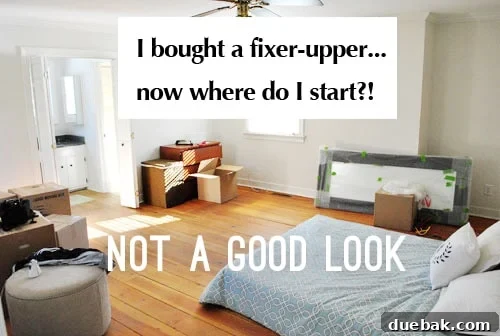
Establishing Your Fixer-Upper Renovation Plan: Six Essential Questions
#1. What’s Absolutely Necessary for Safe and Livable Habitation?
This is undeniably the most critical starting point for any fixer-upper project. Before you even think about paint colors or kitchen layouts, prioritize issues that compromise the safety, structural integrity, or habitability of your home. If your inspection revealed significant red flags, these items should rocket to the top of your list. This category isn’t about glamorous makeovers; it’s about addressing fundamental needs that ensure your home is a safe haven, not a hazard.

Consider problems such as active mold infestations, which can lead to serious health issues, or broken windows that compromise security and insulation. A malfunctioning or outdated heating and cooling system isn’t just uncomfortable; it can be inefficient and even dangerous. Structural issues like significant foundation cracks or rotting support beams demand immediate professional attention. Other common “must-fix” items include major plumbing leaks, faulty electrical wiring, or a roof that’s actively allowing water into your home. In our recent move, our non-negotiable list included repairing or replacing a furnace that wasn’t functioning properly, removing dangerous trees that posed a risk to the house, addressing extensive rotting wood and siding, and patching an actively leaking roof. While these aren’t the most visually exciting projects, they are paramount for peace of mind and the long-term health of your home and family. Don’t hesitate to consult licensed professionals for these critical repairs, as cutting corners here can lead to more significant, costlier problems down the line.
#2. What Tasks Are Significantly Easier to Complete Before Moving In or Unpacking?
Once essential safety concerns are addressed, the next logical step is to identify projects that would be incredibly disruptive or messy to undertake once you’ve settled in. While almost any renovation could technically fall into this category, it’s crucial to be realistic. A full kitchen gut or a bathroom remodel, for instance, might be easier in an empty house, but the financial and logistical demands often mean these are better planned for a later phase after you’ve lived in the space and truly understood its flow. However, certain tasks offer a clear advantage when done pre-move-in.

High-impact, messy projects like tearing out old, musty carpeting, refinishing hardwood floors, or painting entire rooms—especially ceilings and trim—are strong candidates. Imagine trying to sand floors or paint ceilings with all your furniture in place, covered in drop cloths, and your belongings stacked in boxes. The dust, fumes, and constant need to move items make these tasks far more arduous post-move. In our latest renovation, we prioritized removing all the old, stained upstairs carpeting, spray-painting all the dated blue/mauve trim a fresh white, and installing new hardwood floors. This decision was based on a 100% certainty of our desired flooring, and the knowledge that tackling these specific projects after move-in would be a logistical nightmare. If you’re uncertain about a major design choice, like a specific flooring material or a bold wall color, it’s often best to pause and move on to something you’re more confident about. Rushing into a decision you might regret will only add to future work. Remember, it’s always easier to paint an empty room than a furnished one, but waiting to choose your ideal wall color after living in the space can sometimes lead to more inspired decisions. Prioritize the projects that generate the most mess or require the most unobstructed access to maximize efficiency and minimize stress.
#3. What Will Make This House Feel Like Our Home and Provide Immediate Comfort?
Moving into a new house, particularly a fixer-upper, can often feel like you’re temporarily residing in someone else’s space. The previous owner’s design choices, no matter how minor, can prevent you from fully settling in and feeling truly at ease. While major renovations like kitchen remodels eventually achieve this, they aren’t quick fixes. The goal here is to identify simpler, yet impactful, projects that imbue your new surroundings with your personality and create a sense of belonging shortly after moving in.

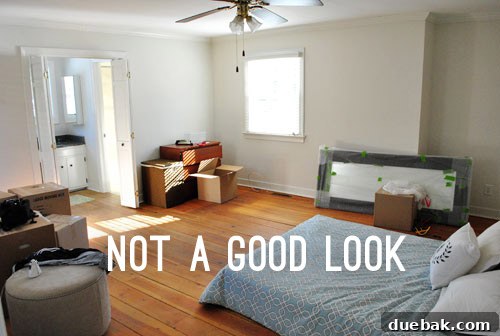
These “comfort catalysts” don’t have to be grand gestures. Simple acts like removing outdated curtains or wallpaper, updating old light fixtures, or a fresh coat of paint in a key living area can dramatically shift the ambiance. I distinctly remember how painting the first wall in our previous house marked the turning point where it finally began to feel like ours, even if that particular color was later changed. It built crucial momentum and boosted our morale. Beyond aesthetics, consider practical comforts. The general chaos and exhaustion of moving can be overwhelming, making it difficult to relax. Identify a small space or function that will allow you to decompress. This could be as simple as setting up a cozy reading nook with your favorite chair and a lamp, or ensuring the TV is connected for an evening unwind. Prioritizing a child’s bedroom first, as we did with Clara’s room, can provide a sense of stability for them quickly. Then, focus on your own sleep sanctuary; there’s nothing quite like a comfortable bed, off the floor, to make a house feel like home. These small, thoughtful efforts contribute significantly to transforming a new house into your personal sanctuary.
#4. What Can We Realistically Afford to Do Right Now?
Budgeting is an inescapable reality of any renovation, and it plays a massive role in dictating your project timeline and order of operations. It’s easy to create an aspirational to-do list with a dozen dream projects, but if your immediate funds only allow for three, those three must take precedence. Prioritizing based on your current financial capacity is not just pragmatic; it’s essential for avoiding financial strain and ensuring the project remains enjoyable. After tackling those initial, often expensive, inspection items from question #1, many homeowners find their renovation budget significantly depleted. This can feel like turning on a money faucet and watching your bank account drain. At this stage, instead of despairing, shift your focus to high-impact, low-cost (or even free) projects.
This is where strategic DIY projects shine. Think about tasks like stripping old wallpaper, giving trim a fresh coat of paint, removing outdated fixtures like an old glass shower door, or tearing up more unwanted carpeting in a secondary room like a sunroom. Painting a small bathroom or refreshing your front door are also excellent ways to create visible progress without a hefty investment. These types of projects help staunch the “money bleed” and restore a sense of control and accomplishment while you diligently build your savings back up for larger, more expensive undertakings. It’s a phased approach to renovation: tackling essential, then affordable, then larger projects as funds become available. This financial prudence ensures your renovation journey is sustainable and reduces the risk of overspending or leaving projects unfinished due to depleted funds.
#5. What Are the Quick and Easy Wins We Can Tackle Immediately?
If the previous questions still leave you feeling a bit stuck, sometimes the best approach is simply to start small. Don’t underestimate the power of quick, easy wins. These are projects that require minimal time, effort, and financial investment, but deliver an immediate sense of accomplishment and visible improvement. While replacing a shower curtain or organizing a silverware drawer might not revolutionize your home’s design, these small victories build crucial momentum and motivation. They are tangible steps forward, signaling progress in a potentially overwhelming environment.
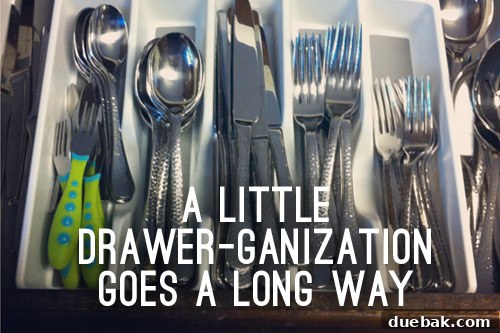
Think about things like decluttering a specific area, deep cleaning a neglected room, changing out cabinet hardware, installing new light switch covers, adding new throw pillows, or even simply rearranging furniture. These tasks often require more willpower than skill, but their cumulative effect is profound. Accomplishing a series of fast and affordable things adds up significantly over time, gradually transforming a room, then a floor, and eventually, the entire house. These “micro-renovations” are fantastic for combating decision paralysis and preventing burnout. They keep you engaged with your home improvement journey, provide regular boosts of satisfaction, and can inspire you to tackle more significant projects with renewed energy and confidence. Remember, progress, no matter how small, is still progress, and these quick wins are often the stepping stones to larger, more ambitious undertakings.
#6. What Will Ultimately Make Us the Happiest in Our New Space?
After navigating the logic of safety, practicality, and budgeting, it’s vital to circle back to the core reason you embarked on this journey: creating a home that brings you joy. Sometimes, the most logical or “important” renovation isn’t the one that will make you smile the most in the immediate future. This question encourages you to tune into your personal preferences and prioritize projects that truly resonate with your vision for happiness and comfort, even if they seem unconventional in a strict renovation plan.

Often, these happiness-driven projects are free or low-cost and feel more like creative play than work. On our first night in our current home, amidst boxes and chaos, I was surprised to see Sherry arranging items on the built-in shelves in our living room. By conventional renovation wisdom, this was far from crucial. Yet, as I rested my weary, box-moving bones on the sofa, I understood. It was her way of settling in, finding peace, and creating one small, beautiful corner amidst the disarray. For you, it might be planting a small garden, setting up a dedicated coffee station, creating a colorful gallery wall, or simply organizing a favorite collection. These personal touches transform a house into a home, reflecting your personality and offering pockets of serenity and joy. Don’t be afraid to deviate from a rigid plan for the sake of your own well-being and happiness. Ultimately, your home should be a reflection of you, and sometimes the “right” project is simply the one that makes you feel most at peace and content in your new surroundings.
Charting Your Course: No Single Right Way to Renovate Your Fixer-Upper
The encouraging news is that it’s incredibly difficult to “mess up” this process. Every step you take, every project you tackle, no matter how small, moves you closer to your ultimate goal. The truth is, the ideal starting point and sequence of projects will vary significantly from person to person, and from house to house. Your unique circumstances—your budget, your family’s needs, the condition of your home, and your personal priorities—will all shape your ideal renovation roadmap. Whether you’re a seasoned DIYer or a first-time fixer-upper owner like Amanda, the most important thing is to simply begin. By asking these six strategic questions, you can move past the initial paralysis and confidently create a tailored plan that works for you and your family. We hope this comprehensive guide provides the structure and inspiration you need to embark on your exciting home renovation journey. We’d love to hear from you: how do you approach the daunting task of starting a new home renovation? What questions do you ask yourselves to sort through your endless to-do list? Share your insights and tips in the comments below – because we’ve certainly got quite the list going on ourselves!