
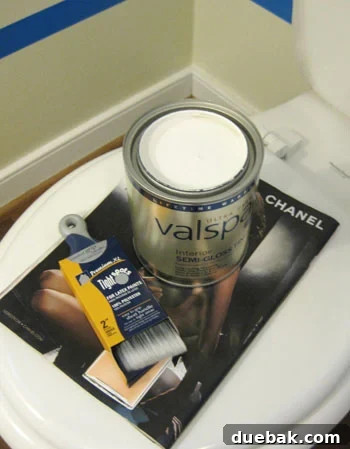
Updated 2018, Originally Posted 2009
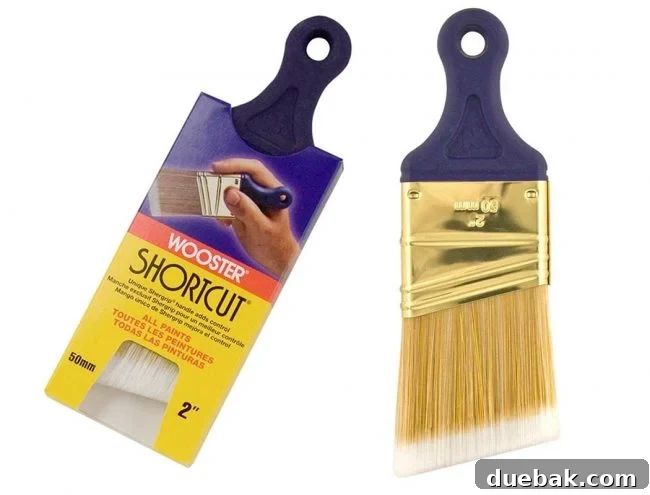
We get a lot of questions about edging, cutting in, and trim painting, so here’s our favorite tool: a short-handled, 2-inch angled brush made by Wooster. With this brush and a little practice, you can paint crisp lines without relying on painter’s tape.
Best Cutting In Brush Buying Options
Short-handled, angled brushes are widely available today. The Wooster Shortcut is our go-to — you’ll usually find two or three around our house — but other brands make excellent versions as well. The key features to look for are a 2-inch width, a short handle, and an angled tip. Those elements give you control and a professional finish.
- Wooster Shortcut (2″) — affordable and easy to find
- Valspar Wall & Trim Brush — a good value option
- Purdy XL Cub Sash Brush — a slightly higher-end choice for durability and finish
Why An Angled Sash Brush Is The Perfect Cutting In Tool
These short-handled brushes — sometimes called sash brushes — are comfortable to grip, almost like a pencil, which makes it much easier to follow straight lines. The angled bristles help prevent paint from piling up and running as you work along edges like trim, door frames, or ceilings. That combination of control and an angled tip reduces drips and makes edging faster and neater than trying to manage a large brush or relying on tape.
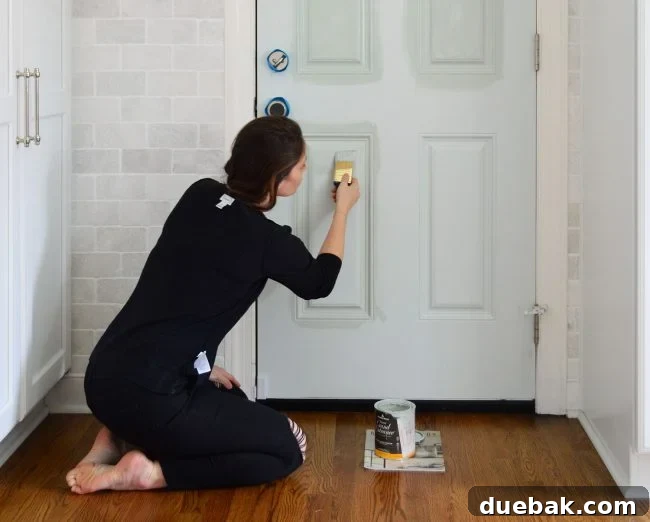
Because of the control they provide, we use short-handled angled brushes for nearly every painting project, including trim work. They let you get a professional-looking edge without the extra time and fuss of masking every surface with painter’s tape.
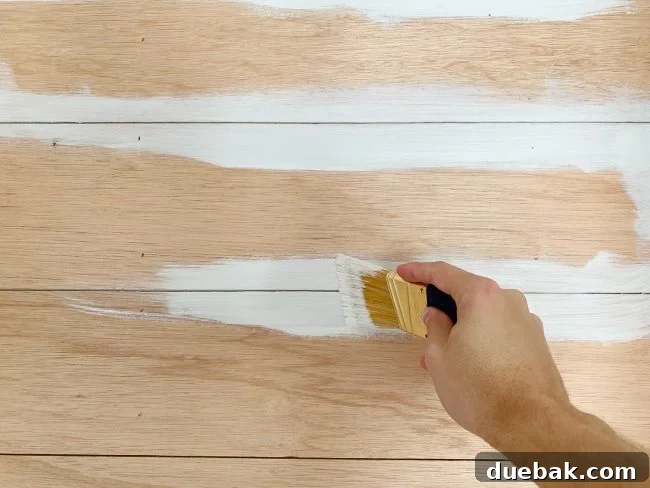
How To Edge A Room With A Short Angled Brush
To see this brush in action, watch how it creates a clean edge in our guest bedroom on both horizontal edges (baseboards) and vertical edges (door frames). The approach is simple: load the brush lightly, steady your hand, and use the angled tip to follow the line you want to keep clean.
The Big Mistake To Avoid When Cutting In
The most common mistake is loading the brush with too much paint. Excess paint causes globs, drips, and buildup along the edge. To avoid that, wipe the brush on the can or a rag before you cut in, and brush a little paint off onto the wall or trim away from the edge to dial in the right amount. You might not get full coverage in a single pass, but it’s better to do a controlled, drip-free first coat and touch up as needed.
Storing Your Paint Brush
Polyester bristles clean up easily with water, but if you need to pause between coats, you can keep the brush fresh by sealing it in a snack-sized resealable bag. The airtight seal prevents the bristles from drying out for days so the brush is ready to go when you are.
More Painting Resources & How-Tos
If you want more painting tips and step-by-step guides, here are a few useful topics to look for: rolling ceilings and walls, prepping a room for paint, brushing trim and molding, using a paint sprayer for window trim and doors, and general tips to make painting easier.
*** This post contains affiliate links***