
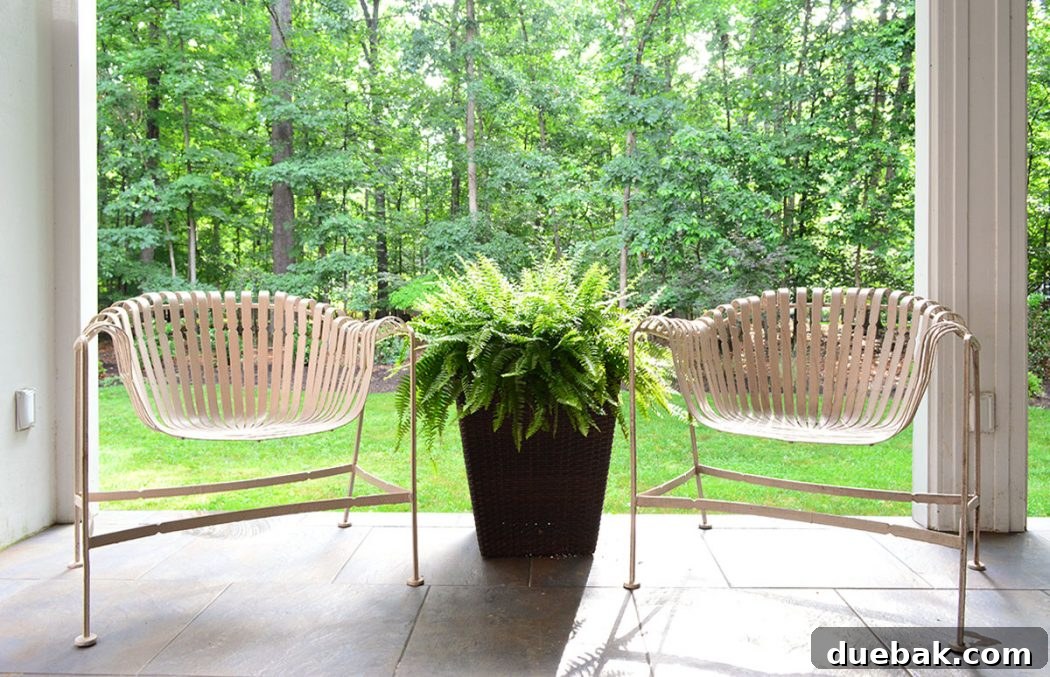
There’s a unique thrill in discovering something extraordinary in the most unexpected places. It’s not about magic or inherent luck; it’s about a consistent approach, an unwavering eye for potential, and a dash of strategic persistence. While I might not be able to take credit for my children’s height or their left-handed brilliance, I can certainly share the actionable insights that have consistently led me to remarkable secondhand furniture finds. This isn’t about mere chance; it’s about mastering the art of the hunt, transforming a hobby into a skill that brings beautiful, often valuable, pieces into your home without breaking the bank.
My journey into the world of secondhand furniture began with a simple principle: frequency. Whether it’s scrolling through online marketplaces like Facebook Marketplace and Craigslist or meandering through local thrift stores, I make it a regular habit to look. Most of the time, the search yields nothing noteworthy. But then, every so often, a gem appears – a piece so stunning and so perfectly priced that it makes all the routine checks worthwhile. Take, for instance, the exquisite Restoration Hardware inlay dresser, originally priced at $1800, which I discovered on Craigslist for a mere $400. That’s the kind of score that proves diligence truly pays off. You can read the full story of that incredible find here.

Forget knowing every lyric to a 90s rap song; the real satisfaction comes from furnishing your home with character, history, and a story. These aren’t just pieces of furniture; they’re trophies from a successful treasure hunt. Here, I’ve rounded up my most effective tips for successful secondhand shopping, all of which are rooted in practical strategies you can implement to uncover your own amazing vintage finds and pre-owned home decor. Let’s dive in!
Lesson #1: Cultivate Persistence and Proactive Engagement
The acquisition of that gorgeous inlay dresser wasn’t a stroke of luck; it was a testament to sheer determination. I spotted the listing months before I eventually purchased it. Its beauty was undeniable, but its initial $600 price tag exceeded my budget for the beach house dresser. So, I waited. The listing lingered, a silent challenge, for weeks on end.
Recognizing that the seller might be struggling to move the item, I decided to make my interest known, even if I wasn’t ready to pay the full asking price. My goal was to establish a connection and prevent the seller from simply deleting the listing out of frustration, a common occurrence for sellers. I crafted an email stating, “I am SO INTERESTED in your dresser but my absolute top budget is $400. If that works for you, I’ll gladly come right over with $400 cash and grab it today.” Her response was gracious: “Thanks, I’m not planning to lower the price just yet but I’ll let you know if I do later.”

This is where true persistence entered the picture. The listing remained for several more weeks, during which I continued to monitor it. Then, one day, it vanished. My heart sank, assuming it had finally sold or expired. However, because I had already initiated an email exchange, I had a direct line to the seller. I decided to send one last follow-up: “Hi, it’s me again! I noticed the listing is gone, so I’m sure my dream dresser sold, but if it hasn’t and you’re interested in that $400 cash, I can come right over! Just say the word!” To my utter delight, her reply was concise and sweet: “You’ve got a deal.”
This experience underscores a vital lesson in secondhand furniture shopping: patience, respectful negotiation, and strategic follow-up can yield incredible results. The dresser didn’t just appear; it was secured through months of observation and two carefully timed messages. Had I not sent that initial email, I wouldn’t have had her contact information for the crucial follow-up, and that stunning piece would likely not be ours today. For items you truly love, be prepared to wait, to communicate your interest clearly, and to take a leap of faith, perhaps even multiple times. This proactive approach significantly increases your chances of securing those coveted vintage finds.
Lesson #2: Be Vigilant and Act with Decisive Speed
Let’s turn our attention to another cherished find: a marble-topped dresser acquired from Facebook Marketplace. This elegant piece, featuring a substantial marble slab and charming key latches on its drawers, now serves as perfect storage for board games in our beach house foyer. I recall paying around $100 for it – an absolute steal, considering a marble slab of that size alone would cost significantly more.

My hunting routine is simple yet effective: at the end of a long day, I dedicate five minutes to scrolling through Facebook Marketplace. I do this maybe five times a week, ensuring I maintain a consistent presence. This habit proved invaluable with the marble dresser; I saw its listing within an hour of it being posted. Being first to inquire allowed me to secure my place in line. I quickly gathered the cash and was at the seller’s house within the hour, preventing anyone else from snatching it up. The key takeaway here is being “SO READY” to commit – no wavering, no waffling, just swift action.
The reality of secondhand shopping is that desirable items can appear and disappear rapidly. While it’s impossible to monitor every platform hourly, increasing your search frequency dramatically improves your odds. Before I adopted this regular checking habit, my chances of finding quality items were significantly lower. You can’t expect to pop on every few months and immediately stumble upon what you want. Even a modest commitment of five minutes a night, a few times a week, will expose you to more items and allow you to catch them early.
Beyond vigilance, preparedness is paramount. Always have cash readily available. Many sellers operate on a “first come, first served” basis. As a seller myself, I’ve often had to sell to the second or third interested party because the first person took too long to pick up or pay. So, Lesson #2 is clear: invest a little time in consistent searching, and when you find something you love, act like a cheetah – fast, decisive, and ready to pounce with cash in hand. Quick communication and rapid pickup are often the deciding factors in securing great deals on furniture.
Lesson #3: Enlist Your Network of “Spies”
Now, let’s talk about the magnificent rug gracing our bedroom, a piece that brings to mind a certain classic song, albeit with some altered lyrics that only I appreciate. The story of this rug is one for the books: a local consignment shop find that felt incredibly lucky. Yet, upon reflection, there’s a valuable lesson embedded in its discovery.

My friend, a decorator with an excellent eye, actually texted me a picture of this rug, along with several others she’d spotted at a local consignment shop. This leads to the foundational principle of this lesson: cultivate a network of friends who share your aesthetic interests and are willing to share their discoveries. While “befriending an army” is a playful exaggeration, the core idea is sound. If you’re on the hunt for something specific – whether it’s secondhand furniture, unique decor, or a particular style – let your design-loving friends know! They might serendipitously stumble upon exactly what you’re looking for and send you a photo or a link, saving you countless hours of searching.
The fact that my friend, a professional decorator, was aware of my fondness for large, colorful wool rugs was instrumental in this particular score. Her knowledge of my preferences “linked” the rug to me in her mind, prompting her to send that crucial text. This system works best when it’s reciprocal: offer to keep an eye out for items they might be searching for in return. It’s a genuinely mutually beneficial arrangement for anyone who shares a passion for home design and sustainable shopping.

My supplementary tip for this triumph echoes the second half of Lesson #2: DO NOT HESITATE. The moment I received her text, I immediately called the shop, confirmed the price, gathered the cash, and my husband John and I rushed over. A crucial step for any secondhand item, especially fabric, is the “smell test” – it’s non-negotiable! Thankfully, it passed, and within about 20 minutes, it was loaded into our car. The speed of action, combined with the power of a shared network, led to this fantastic find. You can delve deeper into this rug’s discovery and our bedroom’s evolution in this post, which also provides a ton of sources for other items.
Lesson #4: Embrace Curiosity and Never Hesitate to Ask
These chairs represent a more recent triumph, a story I briefly shared on our podcast (in this episode), and they too originated from Facebook Marketplace. One distinct advantage Facebook Marketplace holds over Craigslist (though I still appreciate Sir Craig and His List) is its algorithm. It learns your clicking habits, much like Pinterest, curating a more personalized browsing experience. This makes my frequent checks even more efficient, often taking less than five minutes.
My feed has learned that I’m interested in furniture and home items, prioritizing those listings, even over more recently uploaded, perhaps less relevant, items. This intelligent curation is incredibly helpful for finding unique home decor and vintage furniture quickly.

Back to these chairs. The original listing was actually for a large piece of driftwood. However, my “nosy” nature kicked in, and I spotted these magnificent chairs in the background, distinctly behind the driftwood. I immediately messaged the seller: “About those chairs – are they for sale?!” To my surprise and delight, she replied with a resounding yes! Even more incredibly, she owned a large car and offered to deliver them to my house, a godsend given their substantial size, which would have made fitting both into our SUV simultaneously impossible.

The clear lesson here is to be observant and always ask. Anything visible in a photo, no matter how incidental, is fair game for inquiry. The worst they can say is “no” (perhaps humorously suggesting their cute background dog isn’t for sale). The best-case scenario is what happened with these chairs: “Sure! I’ll sell them AND DRIVE THEM TO YOUR HOUSE FOR YOU!” This approach significantly broadens your potential for finding furniture deals.
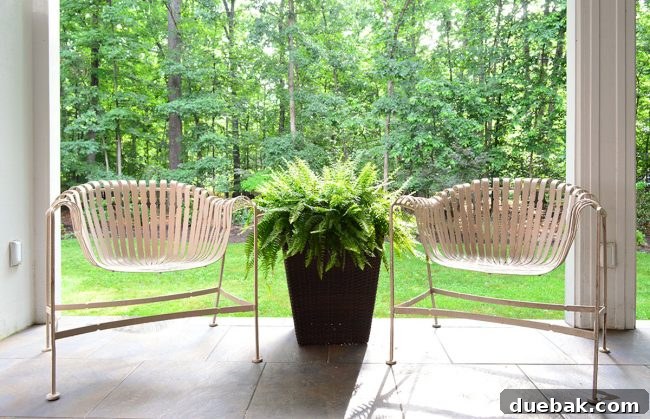
A valuable sub-tip for large items: always consider offering an extra fee, perhaps $20-50, for delivery. This small investment can save you significant time, gas money, or the expense and hassle of renting a larger vehicle. It’s a mutually beneficial arrangement that often makes the deal smoother for both parties.
This chair story has a remarkable epilogue. When we shared photos in the show notes of that podcast episode, a kind and knowledgeable design enthusiast commented, “OMG I THINK THOSE ARE RUSSELL WOODARD CHAIRS!” This sparked a deep dive into Google, revealing that Russell Woodard was an incredible 1950s designer, often compared to Eames. His pieces regularly sell for thousands of dollars on platforms like 1st Dibs and Chairish. For instance, a set of four is currently listed for $3,750, and here’s another example. How utterly insane is that?
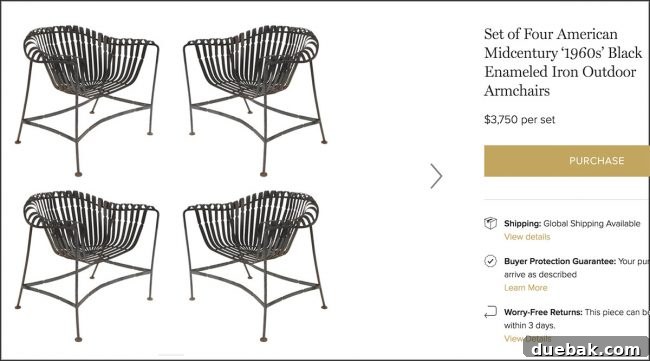
By comparison, we spent a mere $140 for both chairs, including delivery! This undoubtedly makes them one of our most significant secondhand scores to date. For me, however, the real value isn’t just about monetary worth or a designer’s name; it’s about curating a home filled with pieces you genuinely adore. So, my ultimate advice remains: diligently explore secondhand venues, both online and in person. If you make it a regular practice, I’m confident you’ll unearth your own amazing finds. Happy hunting, and may your home be filled with character and stories!
P.S. Six years ago, we shared 25 tips for buying on Craigslist, and many of those insights are still highly relevant today. Check it out for even more ideas to score fantastic items. Happy thrifting to one and all!
P.P.S. If any items in the photos from our beach house or our Richmond home caught your eye, you can find detailed source lists here: for the beach house, and for our Richmond house.