
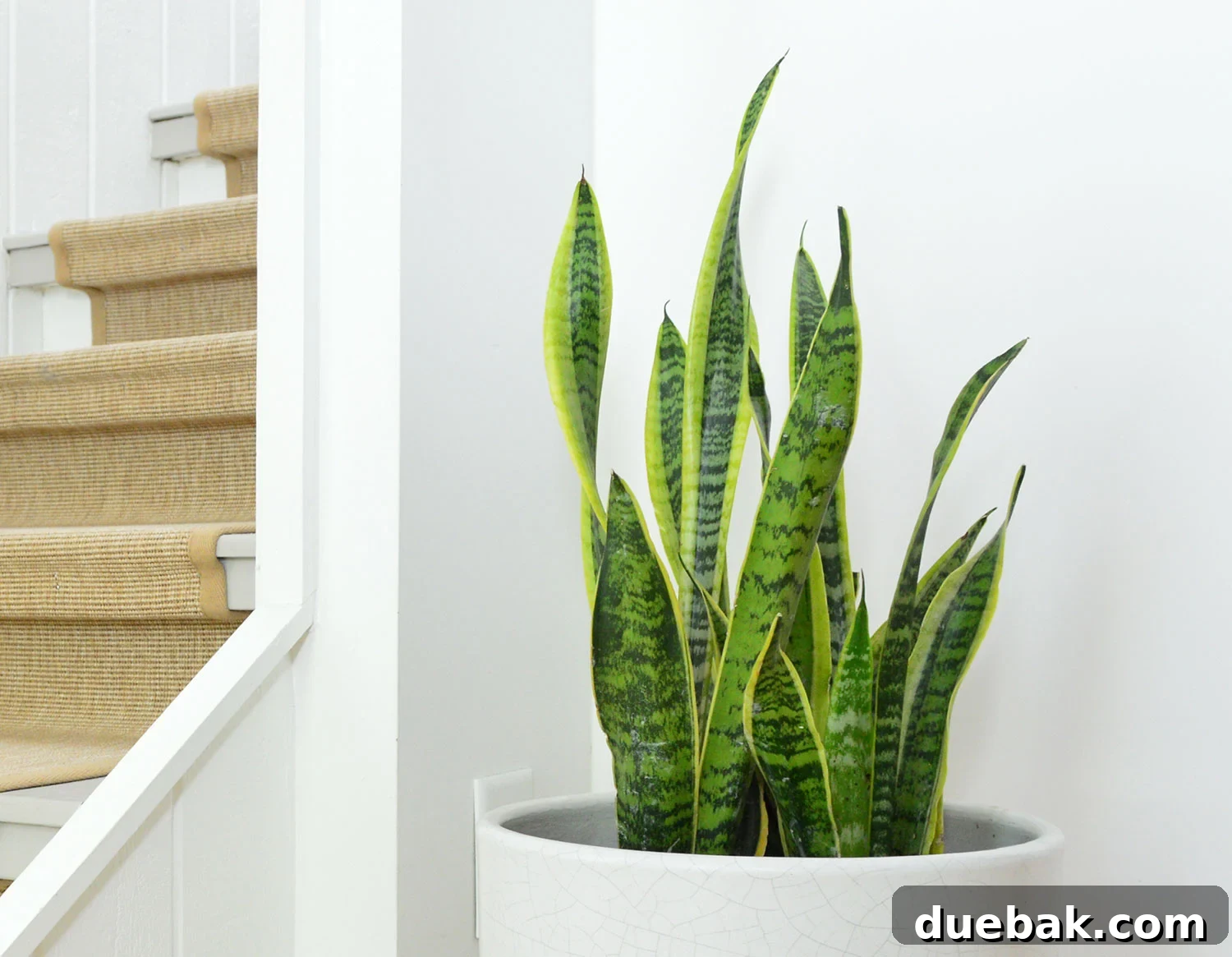
The Ultimate Guide to Snake Plant Care: Thriving with Dracaena trifasciata
If you’ve ever thought you possess a “black thumb” when it comes to houseplants, the resilient Snake Plant is here to prove you wrong! Renowned for its unparalleled hardiness and striking architectural form, this plant is a staple in diverse environments—from bustling office spaces and serene hotel lobbies to cozy home interiors and even doctor’s waiting rooms. Its popularity stems not only from its aesthetic appeal but also from its incredibly low-maintenance nature, making it an ideal choice for absolute beginners and busy individuals alike. Today, we delve into why this spear-shaped beauty, scientifically known as Dracaena trifasciata (formerly Sansevieria trifasciata), has captured the hearts of plant enthusiasts worldwide, offering comprehensive insights for both serial plant-killers and seasoned green thumbs.
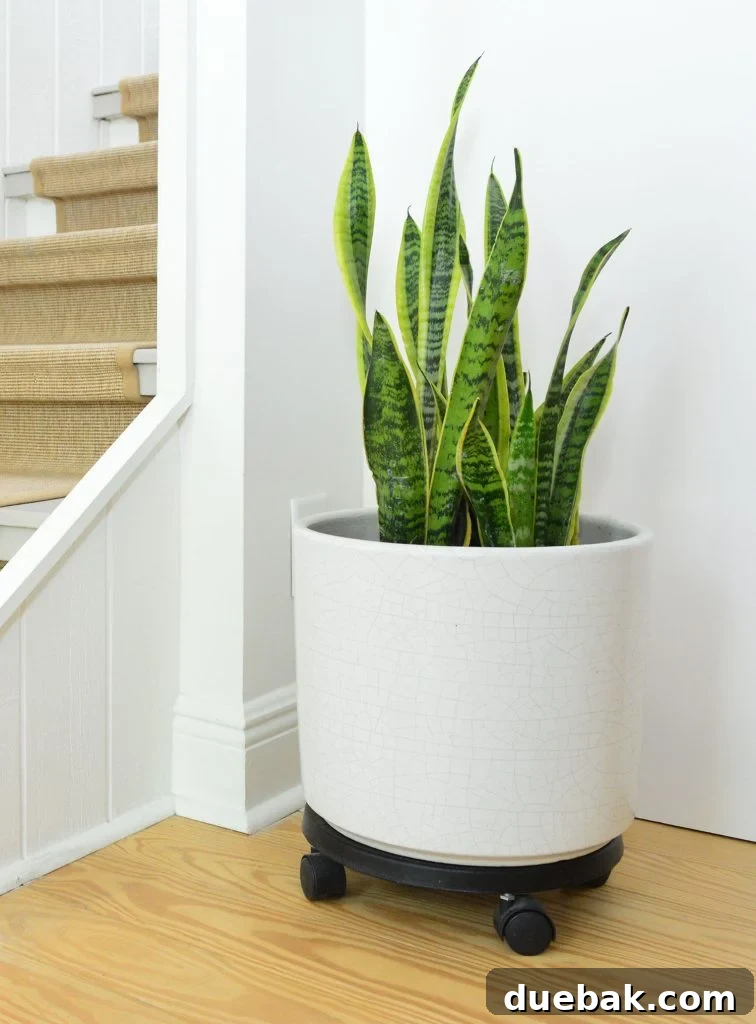
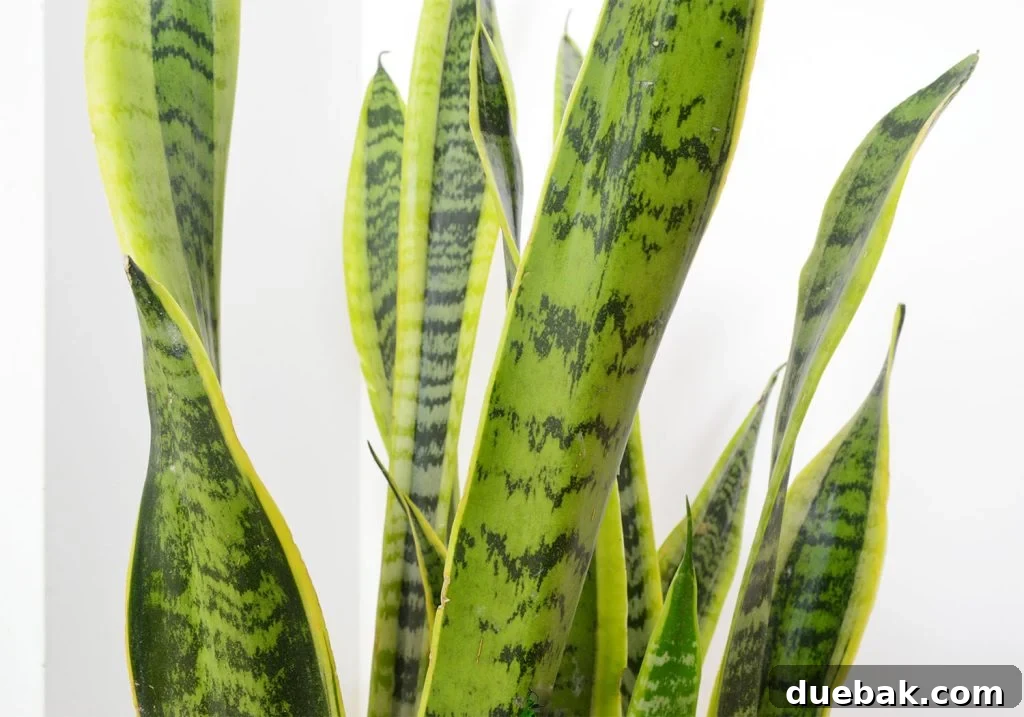
While there are dozens of fascinating Snake Plant varieties, our primary focus today will be on the most popular and easily recognizable cultivar: Dracaena trifasciata ‘Laurentii.’ This specific variant, prominently featured in the accompanying photographs, is celebrated for its distinctive stiff, sword-like leaves beautifully edged with vibrant yellow bands. This guide will equip you with all the knowledge needed to help your Snake Plant flourish, from basic care to advanced propagation techniques, ensuring your home is graced with this remarkable and beneficial houseplant.
Table of Contents
Snake Plant: Quick Facts
Here’s a snapshot of essential information to help you understand your Snake Plant at a glance:
- Latin Name: Dracaena trifasciata (previously Sansevieria trifasciata)
- Common Names: Snake Plant, Mother-in-Law’s Tongue, Devil’s Tongue, Saint George’s Sword, Viper’s Bowstring Hemp, Spear Plant
- Native To: Tropical West Africa, thriving in arid and semi-arid regions
- Light Preference: Adapts to various light conditions, but flourishes best in medium to bright indirect light. Tolerates low light exceptionally well.
- Watering Frequency: Approximately every 2-4 weeks, or when the soil has completely dried out. Overwatering is the most common cause of problems.
- Soil Type: Requires a well-draining soil mix; cactus, palm, or succulent blends are ideal to prevent root rot.
- Ideal Humidity: Prefers average household humidity levels, making it unfussy about environmental moisture.
- Ideal Temperature: Thrives in temperatures between 70-90°F (21-32°C). Avoid temperatures below 50°F (10°C).
- Cold Hardiness: USDA Zones 9-11, meaning it can only survive outdoors year-round in frost-free climates.
The Myriad Benefits of Snake Plants
Beyond their captivating appearance and minimal care requirements, Snake Plants are highly valued as houseplants for a multitude of impressive benefits, significantly contributing to a healthier and more positive living environment.
Exceptional Air Purification Qualities
One of the most widely celebrated benefits of the Snake Plant is its remarkable ability to improve indoor air quality. A landmark NASA study on clean air plants identified the Mother-in-Law’s Tongue (as it was referred to in the report) as one of several plants capable of effectively filtering out common household toxins. These include harmful airborne pollutants such as benzene, formaldehyde, trichloroethylene, xylene, and toluene. By absorbing these volatile organic compounds (VOCs) through their leaves and transmitting them to the roots, where they are converted into plant food, Snake Plants act as natural air purifiers.
What truly sets the Snake Plant apart in the botanical world is its unique ability to perform photosynthesis through Crassulacean Acid Metabolism (CAM). This process allows it to convert significant amounts of carbon dioxide (CO2) into oxygen overnight, unlike most plants that primarily do this during the day. This nocturnal oxygen production makes it an exceptional choice for bedrooms, where it can actively contribute to a fresher, more oxygen-rich atmosphere while you sleep, potentially enhancing sleep quality. It’s no wonder many plant lovers, including ourselves, choose to incorporate these plants into their sleeping spaces to harness these powerful benefits.
Symbolism and Feng Shui
In the ancient practice of Feng Shui, the Snake Plant holds a revered position as a powerful symbol of good luck, protection, and positive energy. Its strong, upright, sword-like leaves are believed to cut through negative energy and ward off evil, creating a shield of positive vibrations within the home. Some practitioners consider it the ultimate all-purpose plant for enhancing various aspects of life.
According to Feng Shui principles, placing a Snake Plant near your home’s entrance is particularly beneficial, as it is thought to block negative influences from entering and welcome prosperity and good fortune. Its upward growth symbolizes growth and progress, making it an excellent addition to areas where you seek to foster ambition and success. Furthermore, its resilience and ability to thrive in challenging conditions are seen as embodying strength and longevity, making it a meaningful and auspicious plant for any living space.
Aesthetic Versatility and Resilience
Beyond its health and spiritual benefits, the Snake Plant is a highly sought-after decorative element. Its sleek, vertical lines and diverse variegation patterns—from deep greens to silver, gold, and vibrant yellow edges—add a touch of modern sophistication to any decor. Whether your style is minimalist, bohemian, or traditional, a Snake Plant seamlessly integrates, providing a natural focal point and a pop of life. Its resilience ensures that it maintains its striking appearance with minimal effort, offering sustained beauty and a vibrant green presence year-round.
Understanding Snake Plant Names and Classifications
The Snake Plant boasts a rich history of common names, some of which are quite colorful and evocative, reflecting its unique appearance and traditional associations. These include:
- Mother-in-Law’s Tongue (perhaps due to its sharp, pointed leaves)
- Devil’s Tongue
- Saint George’s Sword
- Viper’s Bowstring Hemp (referencing the strong fibers traditionally used to make bowstrings)
- Spear Plant
In addition to these various common names, the scientific classification of the Snake Plant has undergone a significant change. For many years, these plants were widely known and classified under the genus Sansevieria, with the most popular species being Sansevieria trifasciata. However, groundbreaking genetic testing in 2017 led botanists to reclassify the entire Sansevieria genus. Based on molecular phylogenetic studies, it was determined that Sansevieria plants are phylogenetically nested within the genus Dracaena. As a result, the Snake Plant is now officially known as Dracaena trifasciata.
Despite this official botanical reclassification, it is very common to still see both names in use today. Many plant nurseries, retailers, and long-time plant enthusiasts continue to refer to them by their former Sansevieria label, a testament to its deeply entrenched history. Therefore, whether you encounter it as Sansevieria trifasciata or Dracaena trifasciata, rest assured you are looking at the same beloved and iconic houseplant.
Comprehensive Snake Plant Care Guide

Snake Plants are celebrated for their incredible resilience and adaptability, making them outstanding succulents for both novice and experienced plant parents. They are notoriously difficult to kill and thrive on neglect, requiring minimal attention compared to many other houseplants. Here’s a detailed guide to keeping your Snake Plant happy and healthy:
Light
While Snake Plants are famously tolerant of low-light conditions—making them one of the best low-light plants available—they truly thrive and exhibit their most vibrant colors in medium to bright indirect light. An ideal spot would be near a window that receives filtered sunlight or a few feet away from a brighter, south- or west-facing window. Too much direct, intense sunlight, especially harsh afternoon sun, can scorch their leaves, causing unsightly yellow or brown burnt spots. Conversely, while they will survive in very low light, their growth may be significantly stunted, and the vibrant variegation on cultivars like ‘Laurentii’ might become less pronounced. For instance, a Snake Plant placed in a dimly lit corner of a bedroom, receiving only ambient light for a few hours daily, will continue to grow, albeit slowly, demonstrating its remarkable adaptability.
Watering
Overwatering is the single most common cause of Snake Plant demise. As succulents, they store water in their thick leaves and rhizomes and are highly susceptible to root rot in constantly moist soil. The golden rule for watering a Snake Plant is to let the soil dry out completely between waterings. To check, simply stick your finger about 2-3 inches deep into the soil. If it feels moist, wait. If it’s dry, it’s time to water.
During the active growing season (spring and summer), you might find yourself watering every 2-4 weeks. In the cooler, dormant months of fall and winter, this frequency can decrease dramatically, sometimes to once a month or even longer. When you do water, do so thoroughly until water drains from the bottom of the pot. Always discard any excess water collected in the saucer to prevent the roots from sitting in standing water. Signs of under-watering include brittle, crisp leaves, though this is far less common than overwatering issues.
Soil
The key to a healthy Snake Plant lies in its soil: it must be loose and exceptionally well-draining. Standard potting soil often retains too much moisture for these succulents. Instead, opt for a specialized soil mix formulated for cacti, palms, or other succulents. These mixes typically contain ingredients like perlite, coarse sand, and pumice, which enhance drainage and aeration, preventing waterlogging and protecting roots from rot. When initially purchasing a Snake Plant, the soil it comes in is usually adequate for the first year or two. However, for repotting or potting propagated cuttings, investing in a high-quality, well-draining mix is crucial. Furthermore, always ensure that any pot you choose has adequate drainage holes at the bottom—this is non-negotiable for the plant’s health.
Repotting
Snake Plants are slow growers and generally prefer to be a bit root-bound, meaning they don’t require frequent repotting. Typically, you might consider replacing the soil after 1-2 years to replenish nutrients, but they may not need a larger pot for up to 3-5 years. You’ll know it’s time for an upgrade when you observe roots growing out of the drainage holes, the plant appears top-heavy and unstable, or its growth seems significantly stunted despite optimal care. When selecting a new pot, choose one that is only 1-2 inches wider in diameter than the current one. Overly large pots retain too much moisture, increasing the risk of root rot. Clay or terracotta pots are particularly beneficial for Snake Plants, as their porous nature helps wick away excess moisture from the soil, further aiding in drainage and preventing soggy conditions.
Temperature and Humidity
Snake Plants are remarkably adaptable to average household temperatures and humidity. They thrive in warm conditions, ideally between 70-90°F (21-32°C). They are not tolerant of cold temperatures; prolonged exposure to temperatures below 50°F (10°C) can cause irreversible damage, leading to mushy, blackened leaves and eventually plant death. Therefore, protect them from cold drafts, open windows in winter, and avoid placing them near air conditioning vents. As for humidity, they are quite forgiving and do well in the typical dry air of most homes. High humidity is generally not an issue unless combined with poor air circulation and overwatering, which can encourage fungal growth.
Other Essential Care Tips
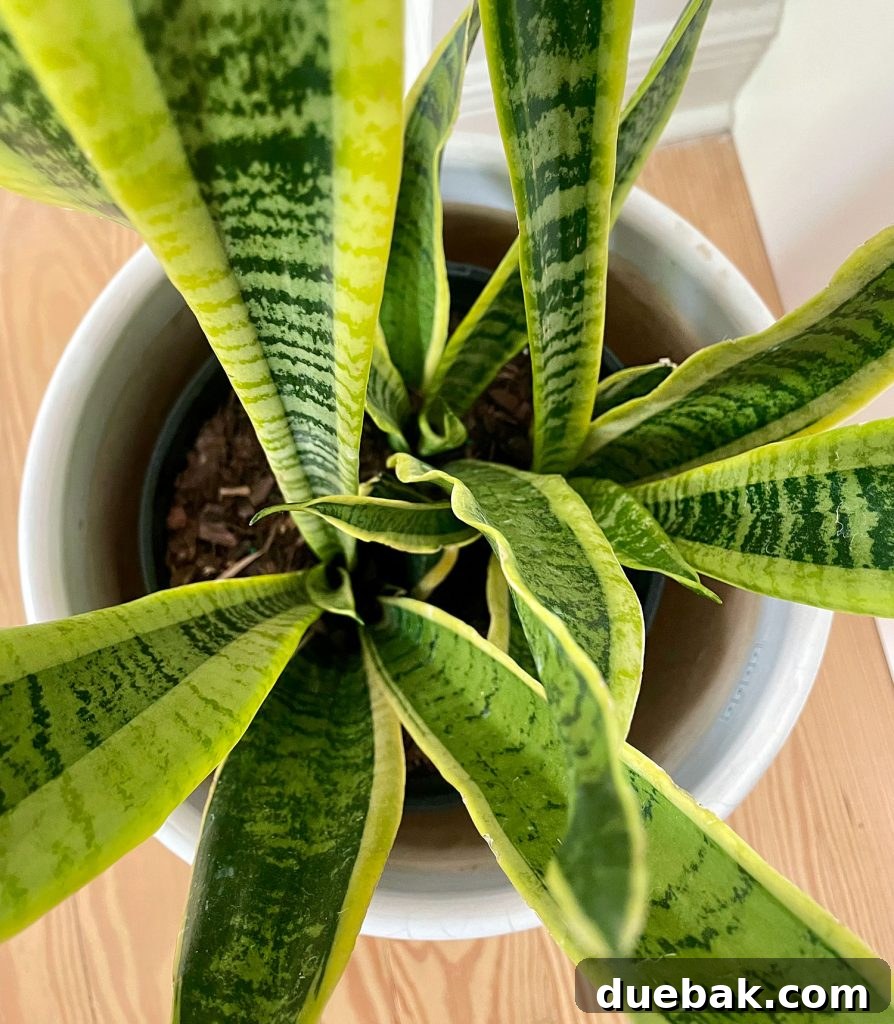
In addition to proper watering, consider these steps to ensure your Snake Plant not only survives but truly thrives:
- Dust & Wipe Leaves: Over time, dust accumulates on the broad leaves of your Snake Plant, which can hinder its ability to photosynthesize effectively and diminish its aesthetic appeal. Use a soft, damp cloth or a specialized plant wipe to gently clean the leaves every few weeks. This practice keeps your plant looking vibrant and ensures optimal light absorption.
- Turn Your Pot Regularly: If your Snake Plant is positioned near a window or a primary light source, different sides of the plant may receive varying amounts of light. To encourage symmetrical and even growth, make it a habit to rotate your pot slightly each time you water. This ensures all sides of the plant receive adequate light, preventing it from leaning towards the sun.
- Fertilizing: Snake Plants are not heavy feeders. During their active growing season (spring and summer), you can give them a boost with a balanced liquid fertilizer, ideally with an NPK ratio of 10-10-10, such as a general all-purpose plant food or a specialized succulent/cactus fertilizer. Always dilute the fertilizer to half strength or follow the specific directions on the bottle, typically applying once every 2-4 weeks. Avoid fertilizing during the dormant winter months when the plant’s growth slows down significantly. Over-fertilizing can lead to burnt leaf tips and other issues.
- Pruning: Pruning your Snake Plant is primarily for aesthetic purposes, to remove dead or damaged leaves, or to control its height and shape. Use sharp, sterilized scissors or pruning shears to make clean cuts. Always trim leaves at the soil line to maintain a neat appearance and encourage new growth from the base. You can also prune to remove any discolored or diseased foliage, helping the plant direct its energy towards healthy growth.
Propagating Your Snake Plant Easily
One of the most rewarding aspects of owning a Snake Plant is how incredibly easy it is to propagate, allowing you to multiply your collection or share new plants with friends and family. There are a couple of popular methods, with water propagation from leaf cuttings being a favorite.
Step 1: Take a Leaf Cutting
Begin by selecting a healthy, mature leaf from your mother plant. Use sharp, clean scissors or pruning shears to make a precise cut right at the soil line. Unlike many other houseplants that root from nodes on stems, Snake Plants can root directly from a leaf section. For optimal rooting, consider cutting the leaf into 2-4 inch sections. To maximize the surface area for root development, create a V-shaped notch at the bottom of each cutting. This technique also helps you remember which end is “down” when placing it in water or soil. Allow the cuttings to callus over for a few days to a week in a dry spot before proceeding; this prevents rot and increases propagation success.
Step 2: Propagate the Clipping in Water
Once your cuttings have callused, fill a clear glass, vase, or any suitable vessel with at least 2 inches of clean water. Submerge the V-notched end of your leaf cuttings into the water. Place the container in a warm spot that receives bright, indirect sunlight, such as a windowsill. You can arrange multiple cuttings together to create an attractive display while they root. It’s crucial to refresh the water every 1-2 weeks to prevent bacterial growth and ensure a fresh supply of oxygen to the developing roots. Patience is key here, as rooting can take several weeks, or even a few months, depending on environmental conditions.
Step 3: Once Rooted, Transfer to Soil
After your cuttings have developed roots that are at least 1 inch long (ideally 2-3 inches for better establishment), they are ready to be transferred to soil. Choose a small pot (about 4-6 inches in diameter) with excellent drainage holes. Fill it with a loose, well-draining soil mix specifically designed for cacti, palms, or succulents. Gently plant each rooted cutting, ensuring the roots are well-covered and the plant is stable. Once potted, care for your new Snake Plant just as you would a mature plant, initially watering lightly and then following the “dry out completely” rule.
Alternative Propagation Method: Division
Another effective way to propagate Snake Plants is by division, which is ideal when your plant has produced multiple offsets or “pups.” When repotting a mature, multi-stemmed plant, carefully remove it from its pot. Gently loosen the soil around the root ball to expose the rhizomes connecting the main plant to its offsets. Using a sharp, clean knife or shears, cut a section of the rhizome that has at least one healthy leaf and its own root system. Each divided section can then be planted into its own pot with well-draining succulent soil, instantly creating new, mature-looking plants. This method generally results in faster establishment compared to leaf cuttings.
Troubleshooting Common Snake Plant Issues
While Snake Plants are incredibly hardy, they can still encounter common problems and pests, usually signaling an imbalance in their care routine. Knowing what to look for and how to respond can quickly remedy most issues.
- Yellow or Brown Leaves: This is almost always a tell-tale sign of overwatering and, consequently, root rot. When leaves turn yellow or mushy at the base, it means the plant is drowning. Immediately cease watering and allow the soil to dry out completely. If the problem persists or worsens, gently remove the plant from its pot, inspect the roots for mushy, black, or foul-smelling sections, and prune away any rotted parts. Repot in fresh, well-draining soil. Occasionally, yellow leaves can also indicate over-fertilization, so review your feeding schedule.
- Burned or Spotted Leaves: If you notice crisp, brown spots, bleached patches, or sunburned areas on your Snake Plant’s leaves, it’s receiving too much direct sunlight. Move your plant to a location where it receives bright, indirect light or filtered sun, especially during the hottest parts of the day.
- Drooping or Wilting Leaves: Drooping leaves can be a bit tricky to diagnose as they can stem from a few issues. It often indicates too little light, leading to weak, floppy growth. Alternatively, it can also signal too much water, causing roots to rot and become unable to support the leaves, or it could be a symptom of extreme underwatering, making the leaves shrivel. First, assess your watering habits. If overwatering is suspected, follow the steps for yellow leaves. If underwatering, give it a good soak. If neither resolves the issue, ensure it’s getting adequate indirect light and consider refreshing the soil with a better-draining mix if it’s compacted.
- Pests: Though generally pest-resistant, Snake Plants can occasionally attract common houseplant pests like aphids, fungus gnats, mealybugs, and spider mites. Regularly inspect your plant for signs of infestation, such as sticky residue (honeydew), cottony masses (mealybugs), fine webbing (spider mites), tiny flying insects (fungus gnats), or visible damage to the leaves. For minor infestations, gently wipe pests off with a damp cloth or a cotton swab dipped in rubbing alcohol. For more persistent issues, treat the plant with neem oil spray, ensuring full coverage of all leaf surfaces and reiterating application as directed on the product. Proper air circulation and avoiding overwatering can also help deter pests, especially fungus gnats.
Other Frequently Asked Questions About Snake Plants
Are Snake Plants Toxic to Pets and Humans?
Yes, Snake Plants are considered mildly toxic to cats, dogs, and humans if ingested. The leaves contain organic compounds called saponins, which can cause gastrointestinal irritation if consumed. Symptoms in pets and humans may include nausea, vomiting, diarrhea, and swelling of the mouth or throat. While typically not life-threatening, it’s best to exercise caution. To ensure the safety of your furry friends and curious small children, always place your Snake Plant in an area that is well out of their reach, especially if they have a history of nibbling on houseplants.
What Makes Snake Plants So Popular?
The widespread adoration for Snake Plants isn’t just a fleeting trend; it’s a testament to their exceptional qualities. Their popularity stems from a perfect blend of aesthetic appeal, functional benefits, and remarkable ease of care. Who wouldn’t love a plant that is incredibly low-maintenance, supremely forgiving of neglect, and highly tolerant of various light conditions? Their striking, upright foliage and diverse variegations—ranging from deep greens to golden stripes—add a unique architectural element to any interior design, from minimalist to modern. Beyond their visual charm, Snake Plants are powerful natural air purifiers, diligently working to cleanse your indoor air of toxins and uniquely releasing oxygen at night. Furthermore, their esteemed status in Feng Shui as bringers of good luck and prosperity only adds to their allure, making them a truly irresistible choice for any home or office.

Can Snake Plants Thrive Outdoors?
Snake Plants are native to the warm, arid climates of West Africa, meaning they can survive outdoors in specific conditions. In the United States, they are hardy in USDA Plant Hardiness Zones 9-11 (check the USDA Plant Hardiness Map for your specific location). This indicates that they can tolerate year-round outdoor living in subtropical and tropical regions where frost is rare. However, they are highly sensitive to cold and cannot withstand temperatures below 50°F (10°C). In areas with cooler winters or the threat of frost, it is essential to bring your outdoor Snake Plants indoors before the temperatures drop. When grown outdoors, choose a location that receives bright, indirect light or partial shade, as direct, intense sun can still scorch their leaves. Ensure they are planted in well-draining soil, just as you would for indoor care.

Do Snake Plants Flower, and How Often?
Yes, Snake Plants do flower! In their native environment, they produce tall, wispy stalks adorned with small, fragrant white or greenish-yellow flowers. These blooms often exude a sweet, strong scent, particularly at night, and may produce sticky nectar. However, it is quite rare for indoor Snake Plants to flower. When they do bloom indoors, it’s often a sign that the plant is experiencing some form of stress—whether from being root-bound, slightly neglected, or undergoing prolonged environmental changes. The plant interprets this stress as a signal to reproduce, focusing its energy on flowering and seed production (pollinated flowers turn into small berries that contain seeds). While you could experiment with intentionally stressing your plant (e.g., delaying repotting or moderately underwatering) to encourage flowering, be cautious not to cause irreversible damage to its overall health. For most indoor growers, the beautiful foliage is the main attraction, and flowers are a delightful, albeit rare, bonus.
What Other Types of Snake Plants Exist?
The world of Snake Plants is incredibly diverse, offering a wide array of forms, sizes, and variegations beyond the popular Dracaena trifasciata ‘Laurentii’. Within the Dracaena trifasciata species, several other popular cultivars stand out:
- Dracaena trifasciata ‘Hahnii’ (Bird’s Nest Snake Plant): A compact, rosette-forming cultivar that stays much smaller than its larger relatives, perfect for tabletops and shelves. Its leaves grow in a tight, bird’s nest-like cluster.
- Dracaena trifasciata ‘Moonshine’: Features striking pale, silvery-green leaves that lack the prominent yellow banding, offering a more ethereal appearance.
- Dracaena trifasciata ‘Black Coral’: Known for its very dark green leaves with silvery-gray horizontal bands, creating a dramatic, almost black effect.
- Dracaena trifasciata ‘Twisted Sister’: Characterized by its short, vibrant yellow and green leaves that twist and curl, giving it a playful, dynamic look.
Beyond the Dracaena trifasciata species, other notable Dracaena (formerly Sansevieria) species include:
- Dracaena cylindrica (Cylindrical Snake Plant): Features distinctive, stiff, round, spear-like leaves that grow upright, often braided for decorative purposes.
- Dracaena pearsonii (Rhino Grass): Known for its short, thick, horn-like leaves that grow in a dense clump, giving it a rugged appearance.
- Dracaena masoniana (Whale Fin Snake Plant): Highly sought after for its single, broad, paddle-shaped leaf, resembling a whale’s fin. It’s often grown as a solitary statement plant due to its impressive size and unique form.
Explore More Plant Guides

If the resilience and charm of the Snake Plant have inspired you to expand your indoor jungle, or if you’re simply looking for more detailed information on other beloved plants, explore some of our other comprehensive guides below:
- Best Low-Light Houseplants
- Best Air Purifying Indoor Plants
- Golden Pothos Care Guide
- Neon Pothos Care Guide
- Marble Queen Pothos Care Guide
- Fiddle Leaf Fig Care Guide
- Aglaonema Plant Care Guide
- Corn Plant Care Guide
- Tree Philodendron Care Guide
- Monstera Deliciosa Care Guide
- How to Build An Easy Plant Shelf
- Protecting Outdoor Plants In A Deep Freeze
- Getting Started With Houseplants, An Expert Interview
With its remarkable resilience, air-purifying capabilities, and striking beauty, the Snake Plant stands as a testament to nature’s enduring power and elegance. Whether you’re a seasoned plant enthusiast or just beginning your green journey, incorporating a Dracaena trifasciata into your home is a decision that promises both beauty and ease.
*This post contains affiliate links, so we may earn a small commission when you make a purchase through links on our site at no additional cost to you.