
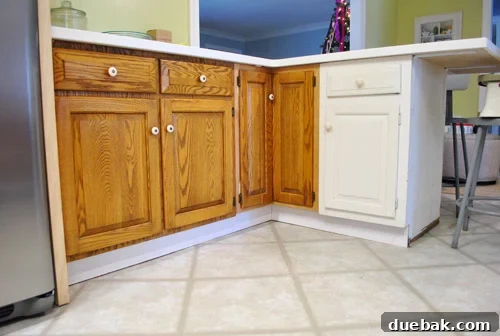
Can’t we just get these cabinets painted already?! If your anticipation for a freshly painted kitchen is growing, imagine the journey we’ve been on! What began as a simple “retrofit, then paint” vision for our kitchen cabinets quickly unfolded into a complex tapestry of essential steps. Our initial big-picture thinking, envisioning a swift transition from minor door adjustments to a vibrant new paint job, soon gave way to the intricate reality of a full-scale DIY kitchen renovation. We’ve found ourselves navigating a detailed path involving everything from filling unsightly gaps and smoothing rough patches, to adding critical trim, selecting the perfect hardware, choosing a durable primer, and finally, settling on that ideal paint color. Each decision and task, especially amidst the hustle and bustle of holiday madness, has proven to be a vital building block towards achieving the durable, professional finish we’re aiming for.
Unlocking Your Dream Kitchen: A Comprehensive Guide to Cabinet Painting & Renovation
Embarking on a kitchen cabinet painting project is more than just applying a fresh coat of color; it’s a commitment to meticulous preparation and thoughtful execution. Every step, no matter how small, contributes significantly to the longevity and aesthetic appeal of your rejuvenated kitchen. From structural adjustments to the final brushstroke, understanding the intricate details ensures a result that not only looks stunning but also stands the test of time. This guide will take you through the essential phases of transforming your kitchen, covering everything from detailed trim work and hardware selection to the critical process of choosing the perfect paint color, all designed to arm you with the knowledge for a successful DIY kitchen makeover.
The Foundation of Beauty: Window Sill & Molding Transformation
One of the first crucial steps in our kitchen’s aesthetic overhaul involved addressing the window area. Our objective was to rebuild the window sill and surrounding molding, allowing us to seamlessly caulk, prime, and paint it alongside the cabinets. This holistic approach ensures a cohesive and polished look throughout the space. The existing sill, a piece of granite that once matched our old countertops, was no longer aligned with our vision for a warmer, more integrated kitchen design. Drawing inspiration from the cozy wooden sill in our first home, we opted for a robust piece of pine board from Home Depot. After carefully measuring the space, I precisely cut a couple of notches to ensure a snug fit, anticipating how a painted wood sill would beautifully complement the new kitchen aesthetic and provide a versatile surface for future decor.
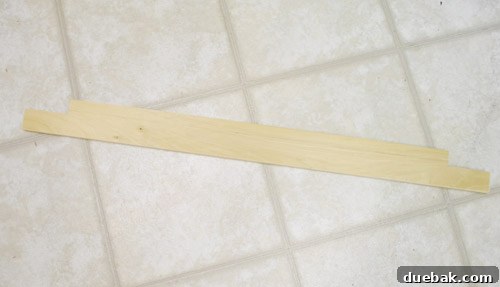
The installation was straightforward yet satisfying. With the notches perfectly aligned, I simply slid the pine board into position and secured it firmly with nails. This foundational step immediately began to redefine the window’s character, shifting it from a utilitarian feature to an integral part of the kitchen’s evolving design narrative. The fresh wood offered a clean canvas, ready for the next stages of refinement.
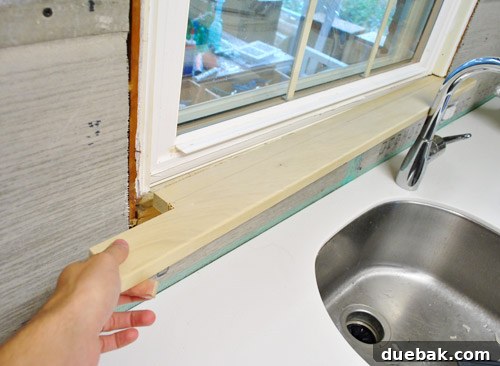
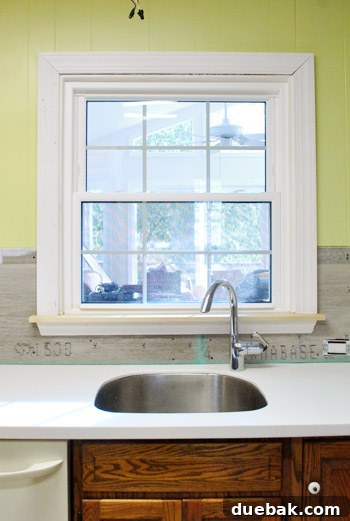
Following the sill installation, the familiar process of cutting and nailing trim casings around the window edges commenced. This detailing is essential for a finished look, bridging any gaps and adding architectural interest. To further enhance the custom feel, I incorporated a smaller piece of trim directly underneath the new sill, mirroring a design element we had successfully implemented on a half wall ledge in another area. This subtle repetition creates continuity and elevates the overall design. With the window now prepped and ready for caulking to seal minor corners, priming to prepare the raw wood for paint, and a final coat of white semi-gloss paint for protection and easy maintenance, our focus shifted to other crucial trim work throughout the kitchen.
Seamless Transitions: Installing and Restoring Toe-kicks
Next on the list was addressing the toe-kicks, those often-overlooked but essential elements that run along the bottom of base cabinets. Toe-kicks serve a dual purpose: they protect the cabinet bases from scuffs and spills, and they provide a finished, integrated look by creating a seamless transition from the cabinet to the floor. During our cabinet shuffling and re-layout, many of the original toe-kick pieces were removed or became unusable. In some areas, I was fortunate enough to cut down and reinstall leftover pieces, saving both time and material. This recycling approach is a common and rewarding aspect of DIY projects, demonstrating efficiency and resourcefulness in kitchen remodeling.
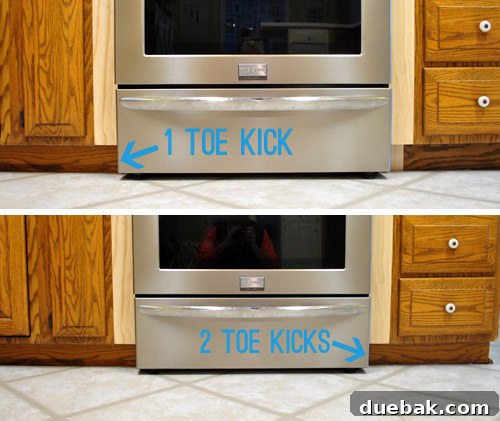
However, the new peninsula in our layout required entirely new toe-kicks. Surprisingly, finding off-the-shelf toe-kick trim proved challenging, perhaps due to a rush of last-minute holiday DIYers like ourselves. While special ordering through the Home Depot’s kitchen department was an option, my patience, especially with a deadline looming, was wearing thin. So, I opted for a creative solution: I purchased standard pre-primed baseboard that perfectly fit the height requirement under the peninsula cabinets. Once painted with the same cabinet color, this resourceful substitution will be completely undetectable, demonstrating that sometimes, the best solutions are simple, adaptable, and budget-friendly. This approach is a great tip for anyone facing similar supply chain issues or looking for quick fixes during their own home improvement projects.
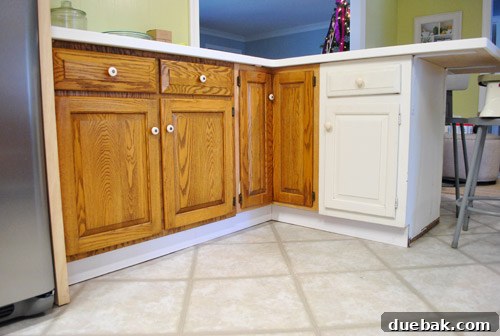
An important note on the peninsula: we are still deliberating on the final treatment for its back side (worn wood or raised panels are currently in contention). This decision impacts the continuity of the toe-kick, which currently stops abruptly on the right side. Rest assured, this raw end will be seamlessly covered by whatever trim or wood we ultimately apply to the side and back of the peninsula, ensuring a polished finish. Furthermore, while I have already acquired the shoe molding, its installation is intentionally delayed until after the new cork floors are in place. We’ll prime and paint the shoe molding beforehand to prevent any paint drips or splatters on the pristine new flooring, a small but critical step in achieving a flawless kitchen transformation.
Attention to Detail: Correcting Cabinet Frame Imperfections
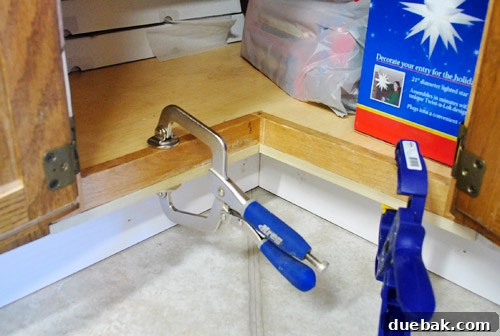
My trim-venture didn’t end there. A keen eye revealed a subtle, yet irksome, unevenness along the bottom edge of a corner cabinet’s frame. It was a tiny bit higher than the two cabinets flanking it—an imperfection that, while not catastrophic, would certainly detract from the smooth, intentional lines of a freshly painted kitchen. Fortunately, the discrepancy was precisely 1/2″ on each side. To rectify this, I purchased 1/2″ pieces of pine craft wood, which provided the perfect shim. Securing these pieces required a strong hand and even stronger adhesive, as fitting a hammer or screwdriver into the confined space was impossible. With clamps and an especially heavy-duty wood glue, the pine strips were firmly set into place. Once we proceed with wood putty, meticulous sanding, priming, and the final coat of paint, this subtle repair will become completely undetectable, demonstrating the importance of precision and problem-solving in achieving a truly custom and high-quality finish for your DIY cabinet project.
Design Dilemmas: Crown Molding and Modern Aesthetics
Initially, our plans included installing crown molding around the upper cabinets to lend a classic, finished look. However, during the planning phase, we held some crown molding pieces up to the cabinets and had an unexpected reaction: we cringed. We realized that we’ve really been gravitating towards the clean, modern aesthetic of sharp, squared-off edges. The cabinets simply appeared sleeker and more contemporary without the added embellishment. While crown molding certainly has its place in traditional designs, for our current vision, it felt a bit too “adorned.” Consequently, we’ve decided to forgo crown molding for now, embracing a minimalist approach that allows the clean lines of the cabinets to speak for themselves. This decision highlights the importance of trusting your design instincts and allowing your personal style to guide your choices. Should we later feel that something is missing, adding pre-primed and painted crown molding post-paint job is always an option, ensuring we won’t compromise the freshly painted cabinet surfaces.
The Hardware Hunt: Choosing and Testing Cabinet Hinges
The journey to selecting the perfect cabinet hinges was another adventure filled with research and experimentation. Our initial thought was to opt for hidden hinges, which offer a seamless, minimalist look. However, our cabinet doors are “half-sunk,” featuring a very thin, stepped-down edge. This design, while unique, made hidden hinges impractical, as they require routing into the door’s edge, which would leave our doors too thin and structurally compromised. No worries, though! My wife, with her Pinterest obsession, assures me there are countless stunning kitchens featuring exposed hinges and fabulous hardware, so we’re perfectly content with them. This discovery led us down another path: could we simply spray prime and paint our existing hinges to match our chosen hardware finish? Our original hinges are quite rare and difficult to find, and painting them would undoubtedly save us money. We decided to conduct a test, trying two different satin nickel finishes to match the new hardware we had tentatively selected (the hardware itself hadn’t arrived yet, but settling on a finish was a step in the right direction).
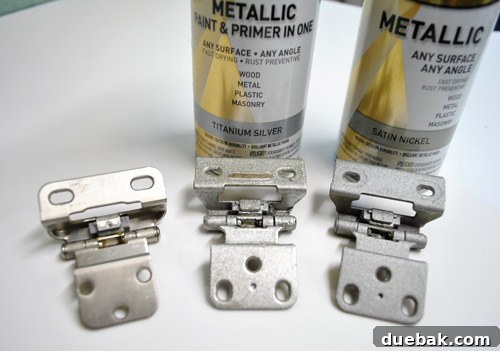
The results of our spray-painting experiment, unfortunately, were not what we hoped for. Observe the hinge on the left in the image above: that’s a new hinge, one of the rare finds that actually works with our specific door style. We tracked it down at a local hardware store called Pleasant’s, which boasts an impressive array of options. This new hinge perfectly matches the exact satin nickel finish we need to complement our hardware. Now, compare that to the other two hinges in the middle and on the right, which are our original kitchen hinges after being sprayed with the two types of spray paint. Do you see how they lack the smooth, consistent satin-nickel sheen? They appear somewhat stippled, almost—well, fake. Even more concerning, when the hinges were moved back and forth—a motion that would occur countless times daily over the coming decades—the paint actually wore off in the middle of the hinge. This lack of durability was a clear deal-breaker.
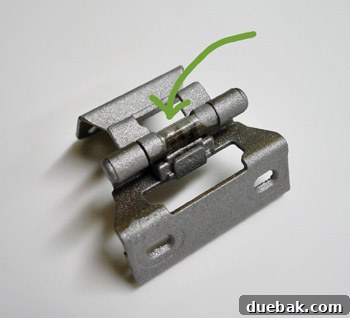
While our attempt to paint the hinges didn’t work out, we’re glad we gave it the old college try. Learning through experimentation is an integral part of any DIY journey. Thankfully, investing $90 for new, perfectly matching hinges is a relatively minor expense in the grand scheme of a comprehensive kitchen renovation. It’s a worthwhile investment for a clean, fresh, new, and functionally durable look that will last for years to come. Choosing the right hardware, including hinges, is crucial for both the functionality and overall aesthetic of your cabinets, making this decision a foundational aspect of our cabinet update project.
The Perfect Hue: Navigating Cabinet Paint Color Selection
Amidst all the planning and execution, one of the most significant decisions we’ve finally solidified is the cabinet color. This is it—no turning back now! We’ve had it mixed and brought it home, ready for action. For weeks, we wavered between a pure, clean white (we absolutely adored our white cabinets in our first house) and a softer, warmer gray or a nuanced gray-beige. Ultimately, after much deliberation, we decided against anything too heavily saturated in gray or gray-beige for several compelling reasons:
- The surrounding areas—the dining room, living room, and hallway—already feature a significant amount of gray on their walls. Introducing a room full of gray cabinets, especially one so open to the gray dining room, risked creating an overwhelming and monochromatic effect. We aimed for balance, not saturation.
- Our backsplash features a delicate soft gray penny tile. This subtle touch provides just enough gray to the room without overpowering it. Furthermore, having lighter cabinets will allow the intricate texture and color of the penny tile to truly pop, rather than blend into a similarly toned background.
- For us, painted cabinets in a tone of white evoke a timeless, classic feel. This choice reassures us that our kitchen will remain stylish and relevant for decades, rather than falling victim to fleeting trends. We’re investing in enduring elegance.
However, we didn’t land on a stark, bright white. Instead, we found a beautiful middle ground between the two camps. Our systematic process for choosing the perfect cabinet paint color is a testament to thoroughness, ensuring we made a confident and lasting decision:
#1. The initial step involved gathering a wide array of paint swatches. We meticulously pulled out dozens of options to evaluate them against the existing fixed elements of our kitchen: the countertops, the backsplash tile, and our rich, dark cork floors. The cork floors, in particular, play a crucial role in grounding the space and preventing it from feeling overly sterile or starkly white-washed, providing warmth and depth.
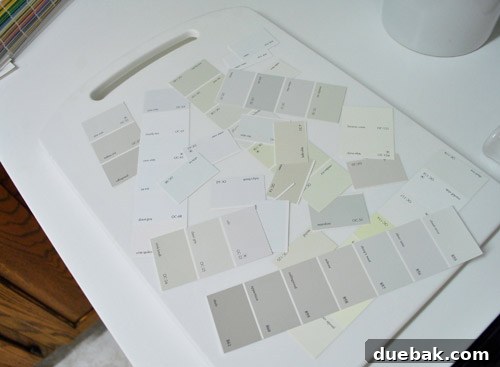
#2. From the initial extensive selection, we narrowed down our favorites. These chosen swatches were then placed vertically against the actual cabinets. This vertical placement is critical because paint colors appear differently depending on their orientation and how light interacts with them. Colors viewed horizontally (like on a flat swatch) can look quite different when seen vertically on a cabinet door. The backsplash tile was also kept nearby as a constant reference point, ensuring harmonious integration of all elements.
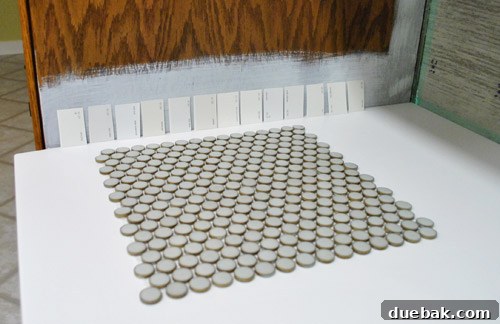
# 3. To guarantee a well-informed decision, we took the time to study these shortlisted colors throughout the day: in the morning light, at high noon, and under evening conditions. We also observed them on both sunny and cloudy days, ensuring a comprehensive understanding of how each hue responded to varying light levels. This rigorous testing allowed us to slowly eliminate swatches until we were left with our four strongest finalists, each a contender for the perfect shade.
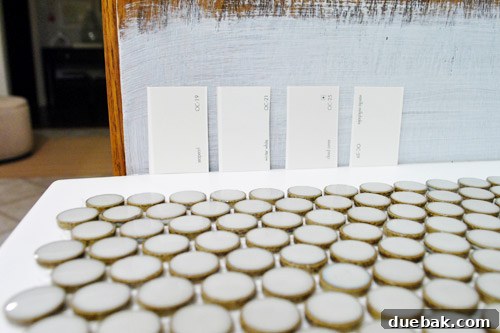
#4. At this point, we realized that all four finalists were excellent choices, and we likely couldn’t go wrong with any of them. So, we decided to trust our gut instinct. Our favorite swatch all along, from the very beginning of the process, was the one second from the right. It’s called “Cloud Cover.” While the picture above hardly does any of them justice, “Cloud Cover” is not a stark, bright white (which you can see represented by the bright white counter beneath it). Instead, it’s a very, very light, warm gray. It’s almost the lightest greige imaginable, designed to appear as a soft white from a distance. However, as you draw closer and compare it to the bright white counter, it becomes clear that it’s not pure white, offering a subtle moodiness and tonal depth. We are incredibly excited about this choice and can’t wait to witness the transformation—how bright, glossy, and clean our new kitchen will look once these cabinets receive their new “wardrobe,” complemented by our rich cork floors which will prevent any sense of light/white/bright overload. This nuanced approach to color selection is paramount for any successful DIY kitchen cabinet painting project.
Your Essential Cabinet Painting Checklist: From Prep to Perfection
Reaching the cabinet painting finish line requires diligent preparation and execution. Here’s a detailed breakdown of our comprehensive steps, meticulously designed to ensure a clean, even, and highly durable paint job that will last for decades:
- Remove Doors, Drawer Fronts, and Hardware: This initial step is critical for unobstructed access to all surfaces, ensuring a thorough and even application of putty, sanding, primer, and paint. Label everything meticulously to ensure easy reassembly.
- Remove Everything from Our Cabinets: Clear out all contents from the cabinet interiors. This protects items from dust and paint, and provides an empty shell for easy cleaning and preparation.
- Use Wood Putty to Fill Gaps, Seams, and Holes: Apply high-quality wood putty to fill any existing gaps, visible seams, and old hardware holes (especially important if new hardware placement differs). Allow ample drying time as per product instructions.
- Sand Dried Putty and Imperfections: Once the putty is completely dry, sand it smooth. Additionally, carefully sand down any ridges, scrapes, chips, or other dings the cabinets have accumulated over the years. The goal is a perfectly smooth and uniform surface, essential for a professional paint finish.
- Sand All Cabinet Doors (Front and Back) and Frames: This crucial step creates a proper “tooth” for the primer to adhere to, ensuring maximum adhesion and preventing peeling. We believe in sanding thoroughly because we want these cabinets to last forever, leaving no chances for shortcuts.
- Clean Up All Sanding Mess: After sanding, meticulously clean every surface to remove all dust and debris. Dust is the enemy of a smooth paint finish; even tiny particles can create imperfections. Use a tack cloth or a vacuum with a brush attachment.
- Use a Liquid Deglosser on All Cabinet Doors and Frames: For an extra layer of adhesion and cleanliness, apply a liquid deglosser. This product chemically etches the surface, further preparing it for primer without aggressive sanding, especially beneficial in hard-to-reach areas.
Buy hardware and finalize hinge plan(Completed: New hinges acquired and paint choice finalized.)- Prime: Apply a high-quality primer. We anticipate one coat will suffice, but this depends on the type of primer selected and the original cabinet material. Consulting with a paint professional to choose the best primer for adhesion and stain-blocking is highly recommended.
- Paint: Apply the final paint coats. We’re aiming for two coats on each side of the doors and on the frames to ensure complete coverage and a rich, deep color. “Knock on wood” for perfect results!
- Let Everything Dry and Cure: This is a non-negotiable step. Allow all painted components to dry and cure for 3-5 full days, or as per the paint manufacturer’s instructions. Proper curing ensures the paint hardens fully, providing maximum durability and resistance to wear and tear.
- Drill Holes for and Install New Hinges and Hardware: Once the paint is fully cured, carefully drill new pilot holes for the hinges and hardware, then install them. Precision here is key to avoiding chips in the fresh paint.
- Reinstall All Doors and Drawers: Carefully reattach all cabinet doors and drawer fronts, making any necessary adjustments to ensure they hang straight and operate smoothly.
- Restock the Kitchen: Return all the contents that were removed from your cabinets and drawers. Enjoy the process of organizing your beautifully refreshed kitchen.
- Take a Long Nap: Preferably for 2-3 days, Clara permitting! You’ve earned it after such a comprehensive and demanding project.
- Take After Photos: Capture the transformation with at least 500 photos from every conceivable angle, documenting your hard work and stunning results!
Man, just typing that out made me tired! But we are committed to being thorough because our ultimate goal is a paint job that is not only clean and even but also incredibly durable—as in, capable of lasting for a couple of decades. So, even though this meticulous prep work will add extra days to our timeline, we are confident it will be well worth the effort in the end. It looks like we’ll be tackling the priming and painting during the quiet week between Christmas and New Year’s, which means you can expect to see those 500 glorious “after” pictures in early January. Woot! We simply can’t express how excited we are to unveil our “new” cabinets for the new year, marking a significant milestone in our kitchen transformation journey.
From Clutter to Creativity: Transforming Our Sunroom into a DIY Hub
But if you’re absolutely craving a before & after right this second, here’s a much less exciting (but equally thrilling for us!) one for you. This is what our sunroom, which temporarily served as our kitchen renovation storage room, looked like not so long ago.

We were essentially hoarding every single scrap from the demolition process, operating under the “just in case” philosophy—just in case we needed it to rebuild cabinets or complete the peninsula. However, as our plans solidified and it became clear exactly which cabinet pieces, doors, and trim we needed, and, more importantly, what could finally go, we embarked on a massive clean-up operation. The transformation was dramatic, and now it looks like this:
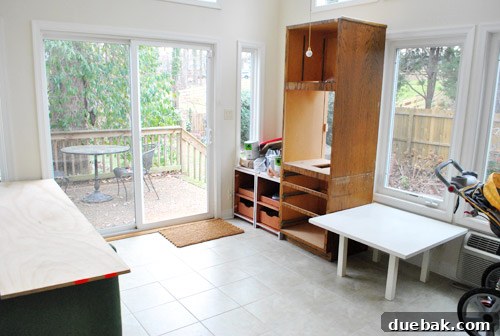
All of the usable cabinet scraps were carefully brought out to the carport, ready for donation to a local thrift store. We were thrilled when Diversity Thrift, one of our local favorites, came right to our door to pick them up on Monday—a wonderful example of sustainable renovation practices. Any smaller pieces of wood were meticulously sorted and added to my scrap pile in the basement, always useful for future projects. Of course, there was also some general tidying involved, including the satisfying act of putting all my tools away properly, marking another small victory in our DIY organization efforts.
Oh, and have you noticed those large planks of spare plywood resting strategically on the couch and the daybed?
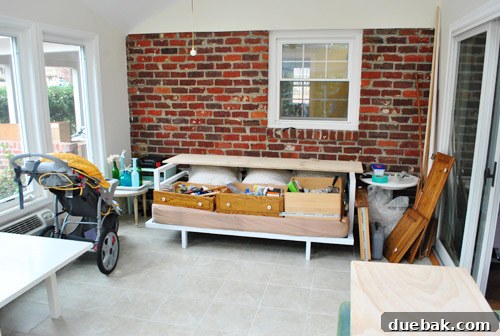
Welcome to our newly established, makeshift cabinet door wood puttying, sanding, priming, and painting zone! Before we begin, we’ll lay down plenty of drop cloths under the plywood to thoroughly protect the couch and the daybed. We’ve designated the sunroom as the ideal spot for spreading out and getting this intricate work done. It offers ample space, allows us to keep everything off-limits to Clara, and crucially, helps contain paint fumes outside the main living areas—even though we’ll be using low and no-VOC products for healthier indoor air quality. So, prepare for many more pictures taken in this dedicated workspace in the coming days as our cabinet transformation unfolds.
Perhaps I should have added “prep sunroom work area” to our master list so I could have another satisfying item crossed off. Well, make that two other things…
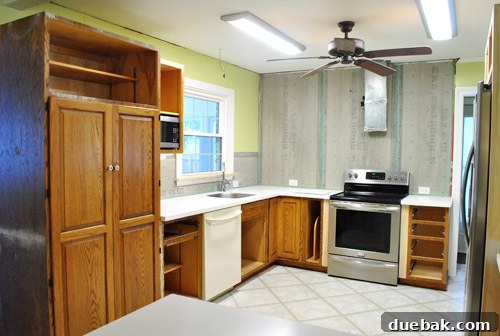
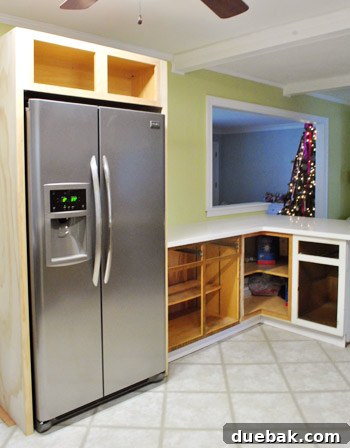
Indeed, the cabinet doors, drawer fronts, and all associated hardware have now been officially removed. And since we’ve also emptied the cabinets (for the most part), I suppose that marks yet another couple of items off our comprehensive checklist. It looks like we’re truly on a roll, making steady progress toward our dream kitchen transformation!
Prep sunroom work areaRemove doors, drawer fronts and hardwareRemove everything from our cabinets
Only fifteen more steps to go! Let’s just say it’s a fortunate thing my parents are hosting the official Christmas dinner this year, giving us a bit of breathing room during this intensive kitchen renovation period.
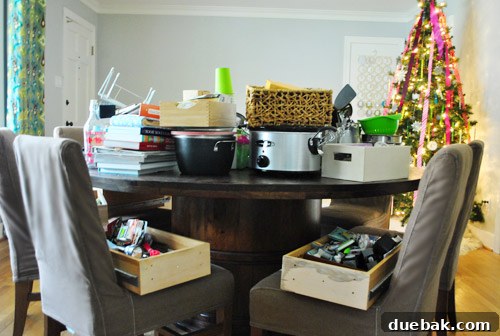
…although we do have four relatives staying with us for the holiday weekend. Thankfully, they’ve come to expect nothing less than a lively dose of chaos whenever they visit. In fact, they even claim to look forward to seeing what new project we’re up to! Now that’s what we call unconditional love and a true understanding of the DIY lifestyle. Update: Although the chair covers appear different in the picture above (we’re not entirely sure why the lighting created that effect), we haven’t dyed or changed them out, so they are still the same mocha color—for now!
What exciting endeavors are you all undertaking this week and next? Any ambitious projects on the horizon? Big family meals being prepared? Grand presents being exchanged? Or perhaps, lengthy to-do lists being meticulously crafted and conquered? We’d love to hear about your holiday and home improvement adventures!
Psst—For those seeking last-minute toddler gift ideas or engaging activities to enjoy with their little ones over the holidays, we’re sharing insights on Clara’s favorite books, toys, songs, and activities over on BabyCenter. You can discover all the details here.