

Challenging the Myth of the Perfect Home: Embracing Real Life and Tackling Sticky Situations
In a world often curated for perfection, especially across social media feeds and glossy home décor magazines, the pressure to maintain an immaculate living space can feel overwhelming. Many of us, myself included, might project an image of effortless organization and pristine cleanliness. As a self-confessed Type A personality, I admit there’s often an assumption that my home gleams, faucets sparkle, and mirrors are perpetually free of toothpaste splatters. But let’s be honest, that’s often far from the truth. We previously tried to dispel this very notion of a “perfect home” with this candid video, which revealed the less-than-glamorous realities of our daily lives—yes, clothes on the floor, mail in a pile—and the collective sigh of relief from our audience was palpable. It seems the masses appreciated seeing a relatable reality.
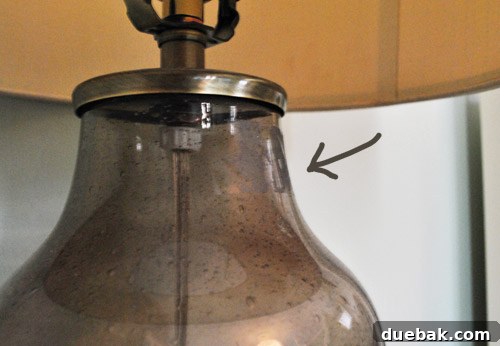
The truth is, we are all wonderfully, imperfectly human. And if I wasn’t, I’d certainly pretend to be for the sake of fitting in! To truly cement my humanity (and not my assimilating robot tendencies), I’m ready to expose a couple of my own long-standing, goo-related secrets. These aren’t just minor oversights; they’re practically archaeological finds in the realm of household imperfections. Take this lamp, for instance. It hails from Linens N Things, a relic from a bygone retail era, and it has graced my home for well over four years. That’s more than 1,460 days. And for every single one of those days, a sticky rectangle—the ghost of a clearance tag—has remained stubbornly affixed to its base. Yes, this goo has achieved antique status, patiently waiting for its day of reckoning.
And then there’s the back of this elegant ceramic container, a stylish acquisition from Target at least two years ago. It’s been faithfully serving its purpose, holding our array of serving and cooking utensils right on the kitchen counter. Yet, just like the lamp, it harbors its own sticky secret—the residue from its original product label. My ingenious (or perhaps, lazy) solution? I simply rotate the container so its sticky side faces the wall, out of sight and, for the most part, out of mind. Outing these minor domestic “flaws” now makes me feel somewhat obligated to tackle these sticky situations head-on (especially since my mom occasionally skims the blog—hi, Ma!).

The Unspoken Truth: Why We Hide Our Home’s Imperfections
The quest for a picture-perfect home can be exhausting. In an era dominated by visually driven platforms, it’s easy to fall into the trap of comparing our lived-in spaces with curated vignettes. We meticulously arrange pillows, artfully stack books, and strategically crop out the overflowing laundry basket or the stack of unopened mail. This pressure to present an idealized version of our homes is pervasive, often leading to a sense of inadequacy when our reality doesn’t quite measure up. Admitting to minor imperfections, like a decades-old sticker residue or a perpetually dusty corner, feels almost rebellious. Yet, it’s in these candid admissions that we find genuine connection and relief, understanding that everyone’s home tells a story—not just of their triumphs, but also of their everyday battles and the charming, human flaws that make a house a home. Embracing this authentic narrative fosters a healthier relationship with our living spaces and our own expectations.
Understanding the Sticky Menace: Why Adhesives Linger and Persist
Sticky residue is a ubiquitous annoyance in almost every household. From the price tags on newly purchased items to the remnants of decorative stickers or even tape used for temporary fixes, these adhesive marks seem to possess an almost supernatural ability to cling to surfaces. Over time, the chemical composition of these glues can change, hardening and bonding more intensely with the material it’s attached to, making removal increasingly difficult. Factors like heat, humidity, and exposure to light can further embed the residue, transforming a simple sticker mark into a stubborn, Goo-related antique, as I’ve so aptly named mine. Understanding why these adhesives linger is the first step in effectively tackling them, moving beyond simply rotating objects to face the wall. Common culprits include strong industrial adhesives, particularly those designed for long-term hold on various retail products, which often leave behind a tenacious film even after the main label is removed.
Conquering the Goo: Effective Strategies for Removing Stubborn Residue
Finally, armed with a newfound determination (and perhaps a little public accountability), I’m ready to tackle these sticky situations. While my initial thought was simple soap and water (specifically Dr. Bronners almond castile soap, if you’re curious), years of dormancy might require a bit more firepower. Here’s a comprehensive guide to banishing that stubborn goo, suitable for various surfaces and types of adhesive residue.
General Principles Before You Start Cleaning:
- Test First: Always apply your chosen method to an inconspicuous area of the item or surface to ensure it doesn’t cause damage, discoloration, or dullness. This is especially crucial for delicate finishes, painted surfaces, or certain plastics.
- Patience is Key: Stubborn residue often requires a little soaking time for the chosen solution to work its magic. Don’t rush the process by scrubbing too hard or too quickly.
- Avoid Abrasives: Resist the urge to aggressively scrape with metal tools, scouring pads, or anything that could scratch delicate surfaces. Opt for plastic scrapers, old credit cards, or your fingernail if necessary.
- Ventilation: When using stronger solvents like rubbing alcohol or specialized cleaners, ensure the area is well-ventilated.
Effective Household Remedies for Sticky Residue:
Before reaching for specialized cleaners, try these common household items, often found readily in your pantry or medicine cabinet:
- Warm Soapy Water: As a first line of defense, especially for fresh or less stubborn residue. Mix a few drops of dish soap (like Dr. Bronners, or any gentle detergent) with warm water. Apply with a cloth or sponge, letting it soak for a few minutes before scrubbing gently. This works by emulsifying the adhesive, making it easier to wipe away. It’s gentle and effective for many surfaces.
- Rubbing Alcohol (Isopropyl Alcohol): Excellent for dissolving many types of adhesive on glass, ceramic, and some harder plastics. Dampen a cotton ball or soft cloth with rubbing alcohol and gently rub the sticky area. The alcohol effectively breaks down the adhesive polymers. Always test on an inconspicuous area first, especially on colored plastics, as it can sometimes affect dyes or finishes.
- Nail Polish Remover (Acetone): Similar to rubbing alcohol, acetone is a powerful solvent. Use with extreme caution on plastics, painted surfaces, or finished wood, as it can strip finishes or even melt certain types of plastic. It is generally safe and highly effective for glass and ceramics where other methods fail.
- Oil-Based Products (Olive Oil, Peanut Butter, Mayonnaise): Surprisingly effective for breaking down stubborn adhesives! The oils in these products help to penetrate and loosen the adhesive bond. Apply a thin layer over the goo, let it sit for 15-30 minutes (or even longer for very old residue), then wipe away with a cloth. Any remaining oil can then be cleaned with warm, soapy water. Lemon essential oil can also be incredibly effective, often leaving a pleasant scent.
- White Vinegar: The acidity of white vinegar can help to loosen some adhesives. Soak a cloth in vinegar and place it over the sticky area for a few minutes, then scrub gently. It’s particularly good for glass and other non-porous surfaces and also acts as a mild disinfectant.
- Heat (Hair Dryer): For very sticky labels or tape, gentle heat can often soften the adhesive, making it easier to peel away without leaving residue. Hold a hairdryer a few inches from the label for 30-60 seconds, then try to peel it off slowly. The heat reactivates the adhesive, making it pliable. Any remaining stickiness can then be treated with one of the methods above.
- Eraser: For light residue on sturdy surfaces, a pencil eraser can sometimes gently rub away the stickiness without scratching the material. This is a surprisingly effective, low-impact method for minor marks.
Specialized Cleaning Solutions:
When household remedies fall short, specialized products are designed for the toughest jobs:
- Goo Gone or Citrus-Based Cleaners: These products are specifically formulated to dissolve adhesive residues using powerful citrus-based solvents. They are highly effective on a wide range of surfaces but always follow product instructions and test on an inconspicuous area, as they can sometimes be harsh on certain finishes or sensitive materials.
- WD-40: Believe it or not, this common lubricant can also be effective at dissolving sticky residues. Spray a small amount onto a cloth and wipe the area, then clean the oily residue thoroughly with soap and water afterward.
A Step-by-Step Guide for My Sticky Antiques:
For my lamp (which has a glass or glazed ceramic base) and ceramic utensil holder, I’ll likely start with a combination approach, escalating methods as needed:
- Initial Soak & Scrub: I’ll begin with warm, soapy water using my Dr. Bronners almond castile soap. Applying it generously and letting it sit on the goo for 10-15 minutes to see if the years of grime can be softened. Then, with a non-abrasive sponge or soft cloth, I’ll attempt to gently scrub the softened residue.
- Targeted Treatment: If the soap and water aren’t enough (which, for a four-year-old sticky mark, is highly probable), I’ll move on to a stronger, yet still safe, option. For the ceramic, rubbing alcohol is usually safe and effective. For the lamp, depending on its specific finish (if it’s painted or delicate), I might opt for an oil-based approach (like olive oil or lemon essential oil) first, as it’s generally gentler than alcohol or acetone.
- Repeated Application and Patience: For exceptionally stubborn spots, I’ll reapply the chosen cleaner and allow it more time to penetrate, possibly using a plastic scraper to gently lift the softened adhesive.
- Final Clean: Once the goo is entirely gone, a thorough wipe-down with a clean, damp cloth, followed by a dry cloth, will ensure no residue from the cleaning agent remains, leaving the surfaces sparkling clean and truly goo-free.
The Freedom of a Realistic Home: Embracing Imperfection
Admitting to these minor imperfections feels surprisingly liberating. It’s a gentle reminder that our homes are meant to be lived in, to bear the marks of daily life, and to reflect our authentic selves—not a sterile, showroom display. The pressure to maintain constant perfection can detract significantly from the joy of simply being in our own space. Embracing a realistic approach to home maintenance means prioritizing comfort, functionality, and genuine happiness over an unattainable ideal. It means understanding that a little sticky residue, a small pile of mail, or even some dust bunnies under the bed don’t diminish the warmth, love, and life that truly fills our homes. They are simply part of the rich tapestry of everyday living.
So, that’s what’s on my agenda this afternoon, alongside continued console bid-ness and some post writing. Whew, outing my sticky secret feels kind of good, a little bit like therapy. I can’t be alone in this, can I? Please tell me someone else out there just rotates things so the “flaws” face the wall. Let’s hope that in ten minutes, I’ll be singing, “Ding dong, the goo is gone!”
What are your go-to methods for tackling stubborn sticky residue? Share your tips and confessions in the comments below! Embracing our imperfections makes every home feel more welcoming.