Are you dreaming of a refreshed kitchen aesthetic without the hefty price tag of a full remodel? A countertop resurfacing kit might be your ultimate budget-friendly solution. Many wonder, “Can you truly paint granite countertops?” I recently put the LuxRock kit from Daich Coatings to the test on my own kitchen countertops, and I’m excited to share my detailed experience and insights with you. Get ready to discover a transformative DIY project!
Revitalizing My Kitchen: The Journey to Brighter Countertops
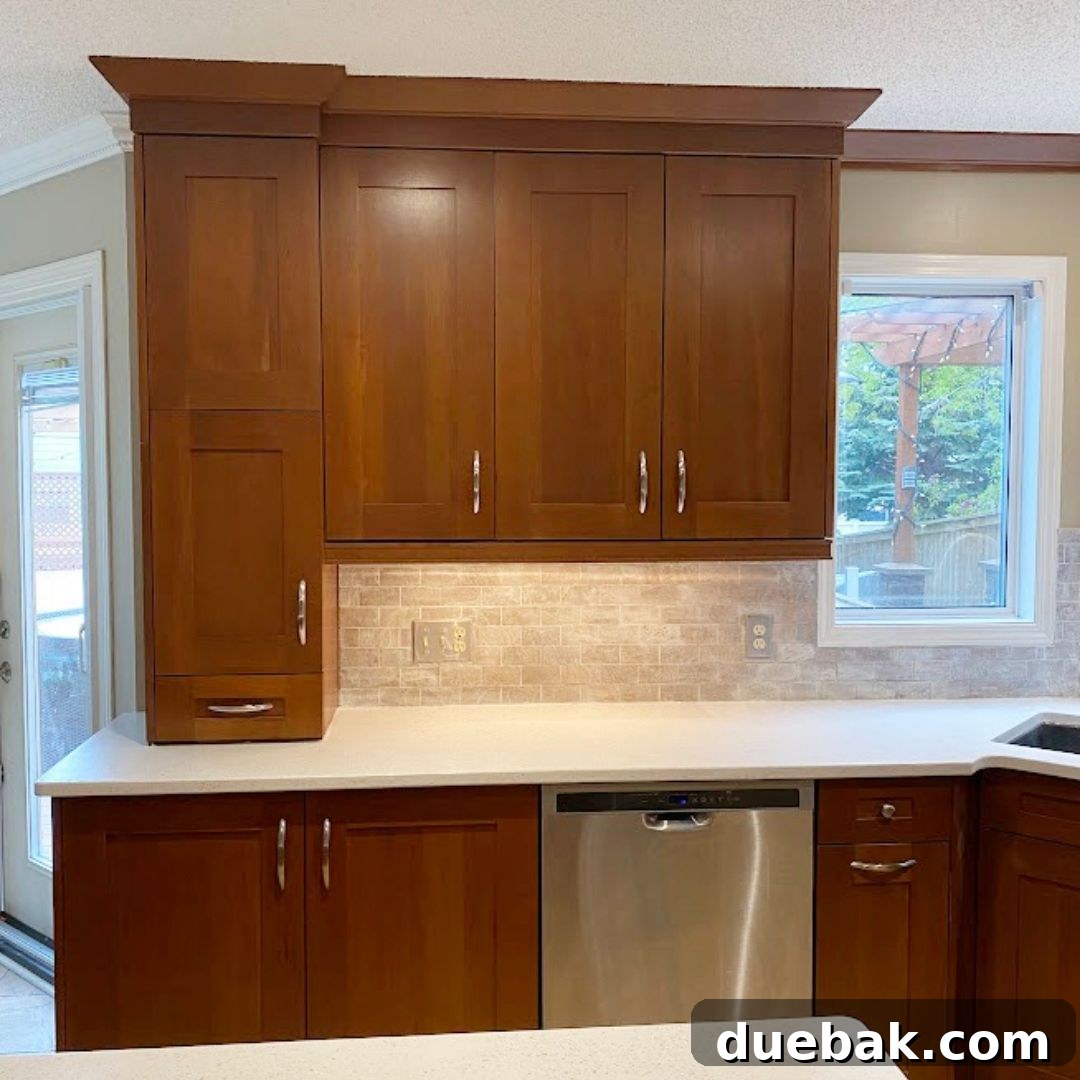
My kitchen. From a distance, it always presented a facade of being perfectly acceptable, even charming.
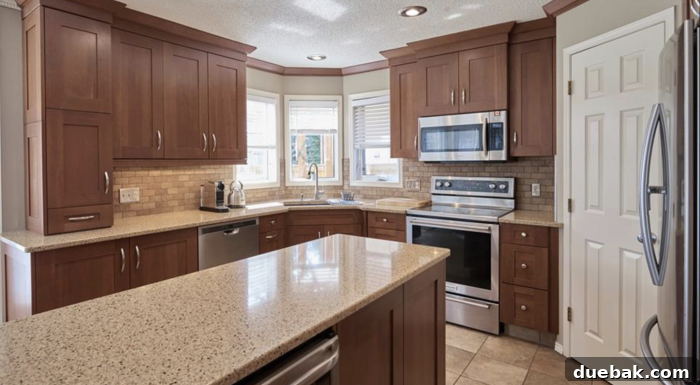
When my family and I first moved into our current home, the kitchen, while not precisely my dream space, wasn’t an immediate priority for an overhaul. Its existing color palette, though perhaps not the most cutting-edge trend of the moment, possessed a certain timeless quality. It was a kitchen I believed I could comfortably live with for years to come without feeling an urgent need for change or update.
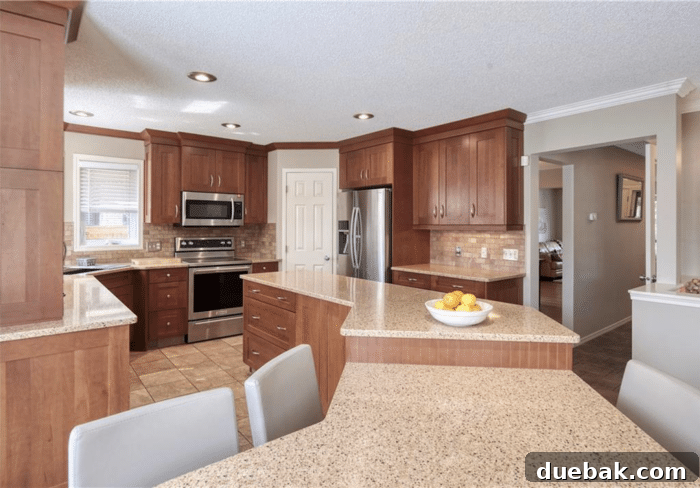
Having previously lived with laminate countertops in our old home that were visibly fading, scratched, and frankly, quite unappealing, I considered myself incredibly fortunate. Our new home boasted solid surface countertops, specifically a quartz composite material. The quality seemed exceptional, a significant upgrade that initially overshadowed any aesthetic concerns.
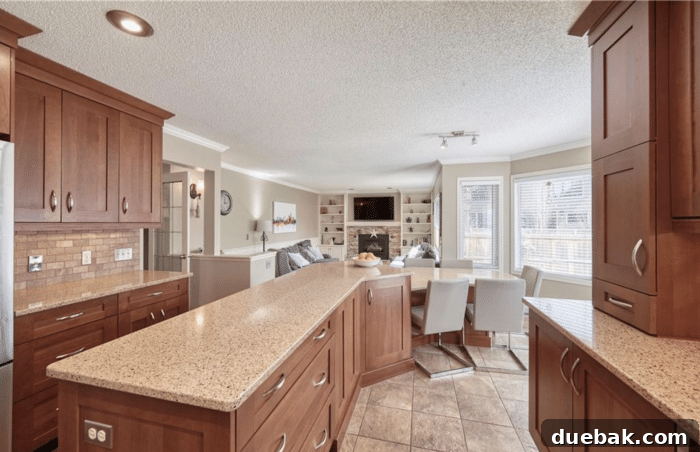
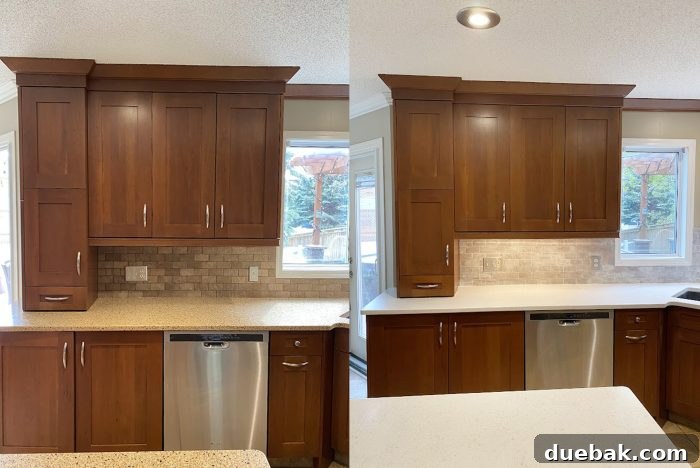
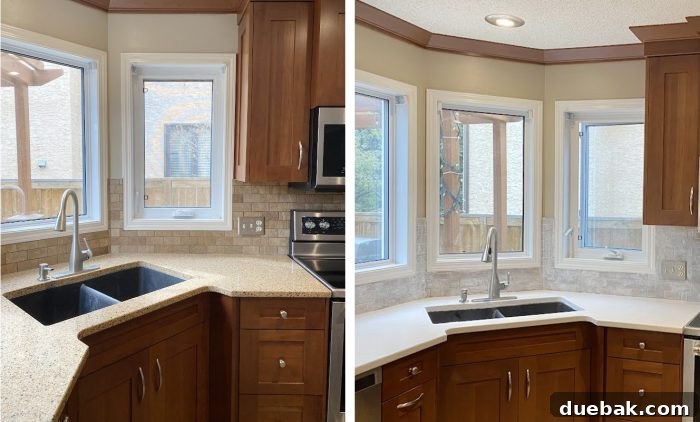
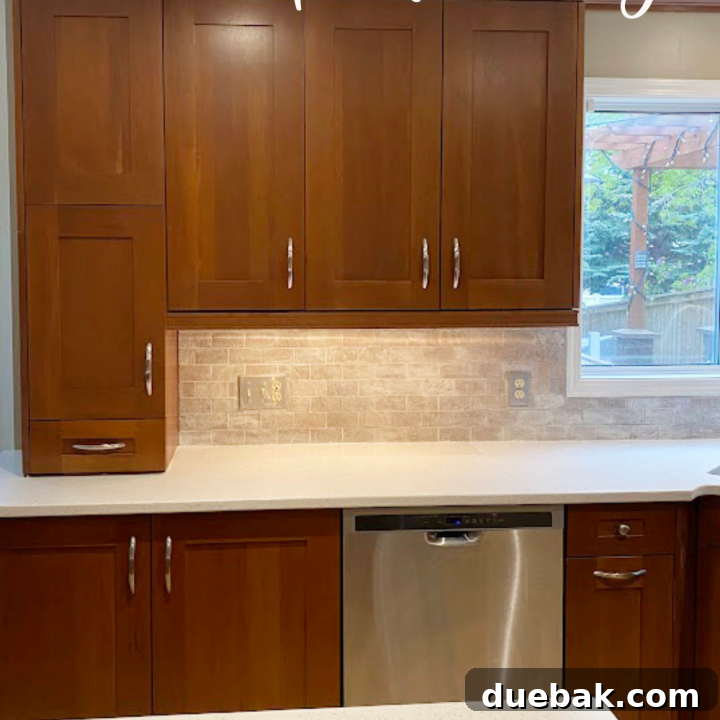
However, after just a few months of daily use, a subtle dissatisfaction began to grow, eventually blossoming into a profound dislike for the color of our granite surfaces. The intricate pattern, rather than adding character, perpetually made the counters appear dingy and unkempt. The mid-brown tones, far from being practical, blended seamlessly with spills and crumbs, making it incredibly difficult to spot areas needing cleaning. I often found myself bending low or leaning over, desperately trying to catch the right angle of light just to confirm whether a spot was a design feature or actual grime.
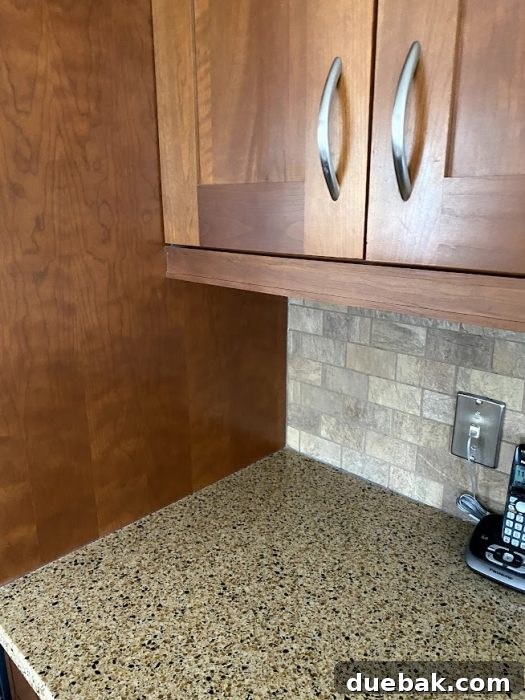
Ultimately, my aversion to the countertop color became overwhelming. The entire kitchen space felt persistently dark and shadowy, and for someone sensitive to lighting and colors like myself, this was a significant mood dampener. I thrive in bright, airy environments, and the dull, somber counters were actively detracting from my daily happiness.
This persistent discontent finally pushed me to action. I decided it was time for a change, sooner rather than later. I envisioned this as a “stage one” renovation—a crucial step that would allow me to live more happily in the space while I contemplated further updates. With brighter countertops, I could then more clearly decide on the next phase: should I replace, paint, or restain the cabinets? Would crisp white countertops pair well with white cabinets, or would that be too much white, perhaps making a soft gray a better choice for the cabinetry? The beauty of updating the countertops first was that it bought me time and a fresh perspective to plan future enhancements thoughtfully.
Why Choose Countertop Resurfacing? The Smart, Sustainable Update
Opting to paint or resurface granite countertops represents an incredibly smart choice for homeowners looking to make a significant visual upgrade without the exorbitant costs associated with full replacement. Refinishing offers massive cost savings, often amounting to thousands of dollars compared to installing brand-new surfaces. In our home, we have an expansive amount of counter square footage, largely due to a built-in table that extends from the main kitchen counters. I estimated a replacement project would easily cost upwards of $7,000. Committing to a DIY resurfacing project immediately meant substantial savings, prompting me to delve deep into researching the best available options.
Beyond the undeniable financial benefits, another powerful reason driving my decision to refinish our granite counters was environmental responsibility. Preserving existing materials and preventing them from ending up in a landfill is a core value for me. The market for second-hand, pre-cut countertops is minimal, especially when they aren’t sold in conjunction with their original cabinetry. By resurfacing, we gave our perfectly good, structurally sound counters a new lease on life, contributing positively to waste reduction.
Is Painting Granite Countertops Really Possible? Absolutely!
Yes, absolutely! You can paint granite countertops, and the results can be truly stunning. When I use the term “paint,” I’m referring to the application of a specialized coating using conventional tools like a paintbrush or roller. For a durable and professional-looking finish, I strongly recommend investing in a high-quality granite countertop paint kit. After extensive research, we selected the LuxRock kit from Daich Coatings. Our decision was largely based on its reputation as a newer, higher-end granite product. We felt confident that using LuxRock would not only transform the appearance but also maintain the inherent high quality and solid surface integrity of the quartz composite counters we already possessed.
Unveiling the Transformation: How to Paint Granite Countertops with a Resurfacing Kit
When I first embarked on my research into painting countertops, I encountered a plethora of epoxy countertop kits primarily designed to create a faux marble finish. While many tutorials showcased impressive results, achieving those intricate, realistic prominent vein patterns seemed incredibly challenging for a novice. I watched one person meticulously map out her counters, drawing where each vein should go, and while her final product was stunning, I doubted my ability to replicate such artistry. My personal aesthetic preference also leaned more towards the refined, subtle speckling of quartz or the textured appeal of terrazzo-style counters, which the LuxRock kit promised to deliver.
What Makes LuxRock Stand Out: Key Advantages
- Exceptional Quality and Durability: LuxRock distinguishes itself as a solid surface granite countertop kit, engineered for longevity. It’s designed to create a hard, resilient finish that stands up to daily wear and tear, truly transforming the surface into a durable new countertop.
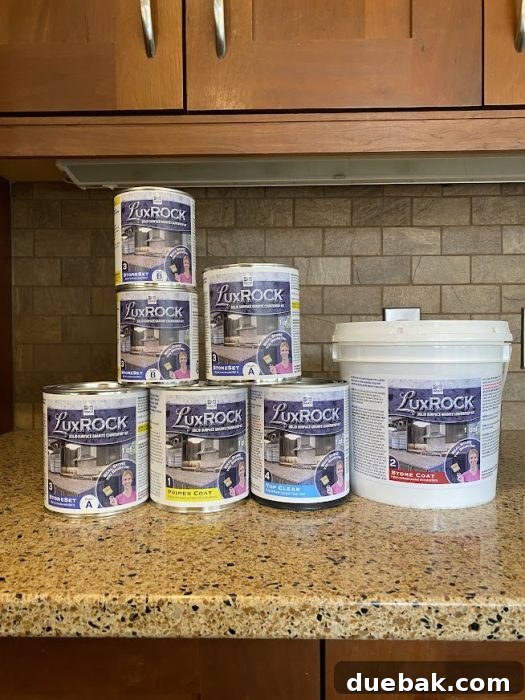
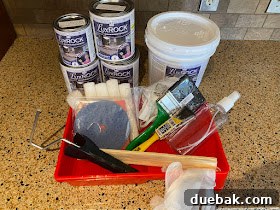
- All-Inclusive Kit for DIY Success: Each LuxRock box is remarkably comprehensive, containing everything you need to tackle the project. This includes a robust base coat, the unique stone coat with its decorative flecks, a protective clear epoxy layer, and a final clear finish coat. Additionally, it comes with practical tools such as a paint tray, a standard paint roller, specialized foam paint rollers, and sandpaper suitable for each application stage. While the kit provides a good start, we did find it beneficial to purchase additional sandpaper in various grits to ensure the smoothest possible finish.
- Empowering the DIY Enthusiast: For those who relish a hands-on project and are prepared for a somewhat larger undertaking, LuxRock is an excellent avenue for significant cost savings. It empowers homeowners to achieve professional-level results without hiring expensive contractors.
- Repair and Renewal Capabilities: One of LuxRock’s most impressive features is its ability to patch, repair, and effectively cover existing imperfections. This includes burns, minor chips, and general signs of wear and tear, even on laminate countertops. If I still had laminate counters, I would embark on this project without a moment’s hesitation to bring them back to life.
Your Step-by-Step Guide to Resurfacing Granite Countertops
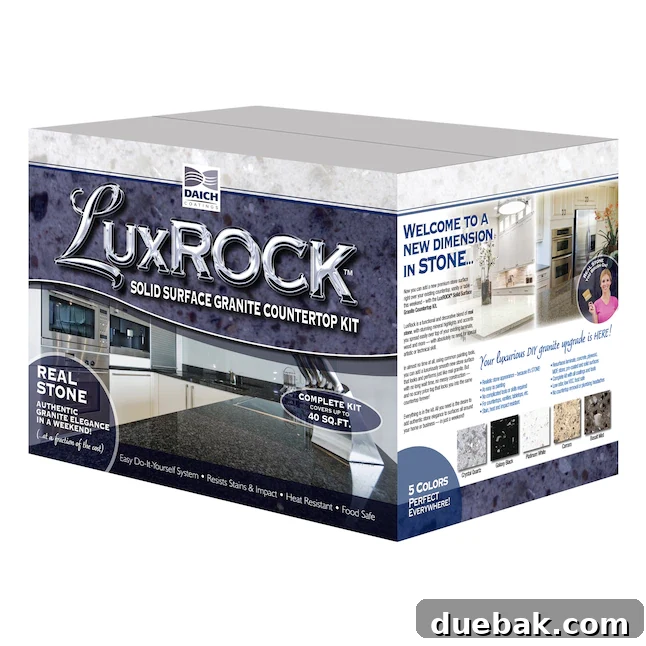
Embarking on this project begins with selecting your kit. I chose the LuxRock Solid Surface Granite Countertop Kit in “Platinum White” (conveniently available at Lowes). For my extensive kitchen counters and attached table, I utilized three boxes to ensure complete and even coverage.
Materials:
- Countertop Refinishing Kit (e.g., LuxRock)
- Various grit sandpaper
- Painter’s Tape (high quality)
- TSP (trisodium phosphate) cleaner
- Caulking and caulk gun
- Plastic sheeting or drop cloths
- Box cutter or utility knife
- Drill with mixing attachment (optional, but recommended for stone coat)
- Safety glasses and mask
- Shop vacuum (essential for sanding)
Tools:
- Electric Sander (orbital or rotary)
- Paint rollers (kit includes)
- Paintbrushes (kit includes)
- Paint tray (kit includes)
Instructions:
- Thorough Preparation is Key: Begin by meticulously cleaning your existing countertops. Scrub the entire surface thoroughly with TSP (trisodium phosphate) cleaner to remove all grease, grime, and residues. This step is critical for proper adhesion. Carefully remove any old caulking from the backsplash or side panels of your cabinetry.
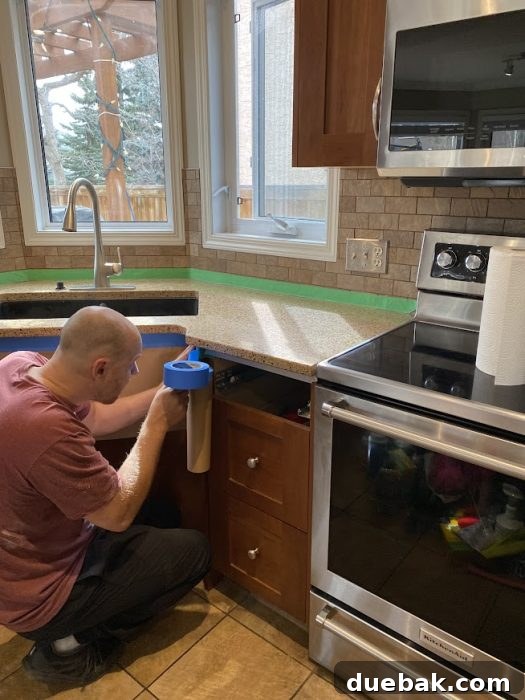
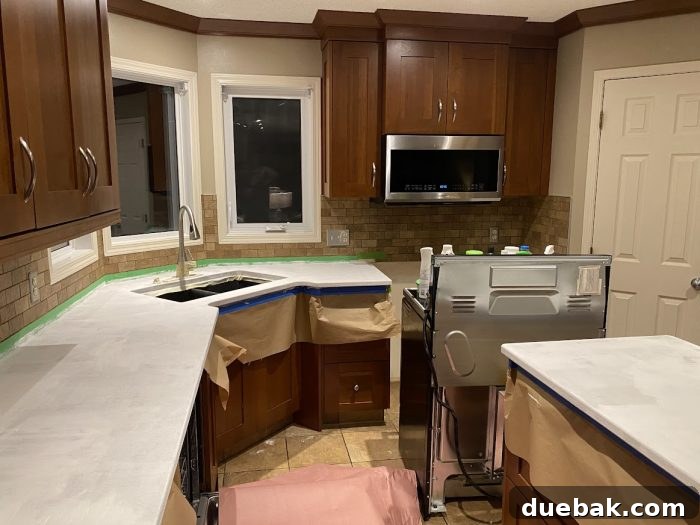
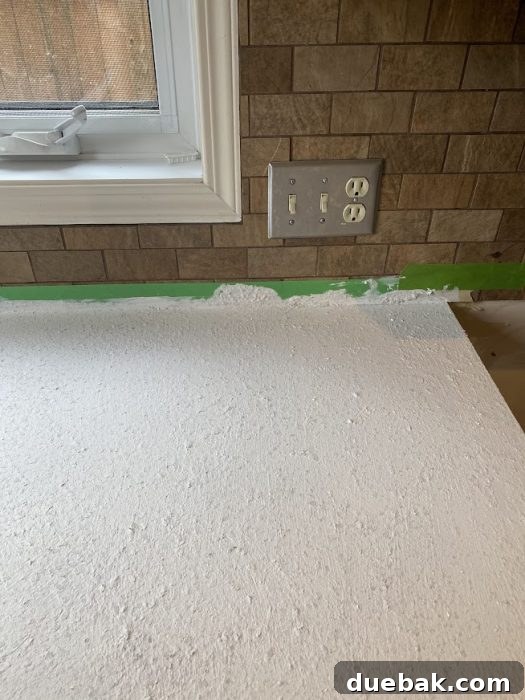
- Protect Your Surroundings: Use high-quality painter’s tape to meticulously tape off all edges where the countertops meet walls, backsplash, and cabinetry. Extend protection with plastic sheeting or drop cloths over your cabinets, sink, and surrounding floor areas. If possible and desired, removing cabinet doors can provide easier access and prevent accidental splatters.
- Clear the Work Area: For safety and ease of access, pull out your stove and refrigerator if they are adjacent to the countertops. Lay down heavy paper or additional plastic sheeting to fully protect your kitchen floors from any spills or dust during the sanding phases.
- Apply the Primer Coats: Using one of the included rollers, apply the first coat of primer evenly across the entire countertop surface. Ensure full coverage without leaving thick puddles. Allow this coat to dry completely for a few hours as per kit instructions before applying a second, equally even coat of primer. This foundational layer is crucial for creating a uniform, adhesive base for the stone coat.
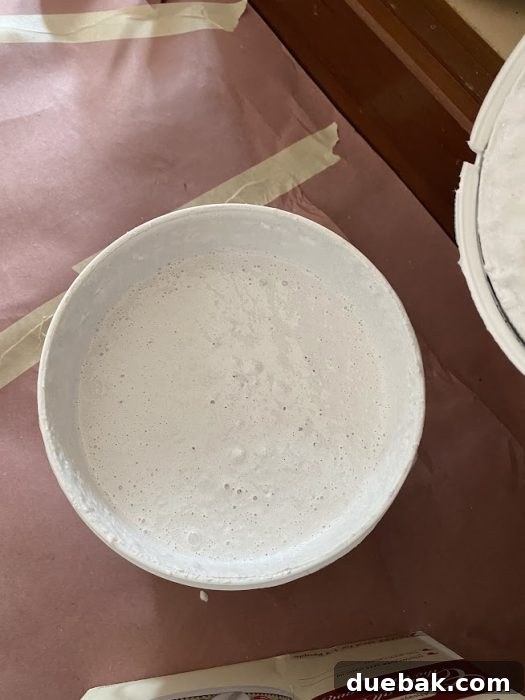
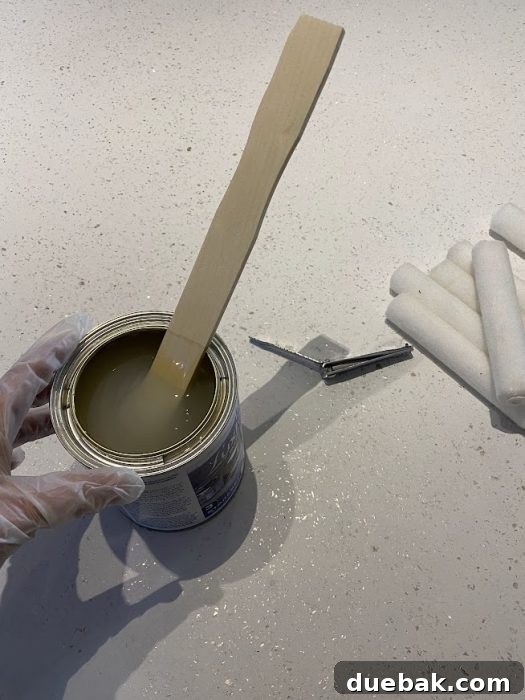
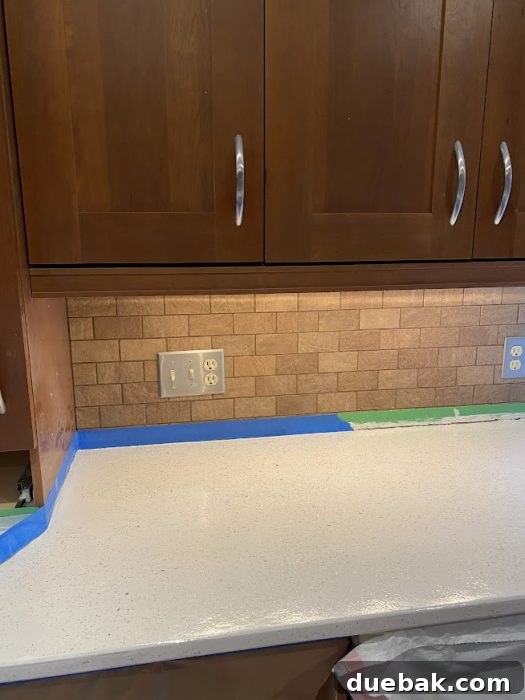
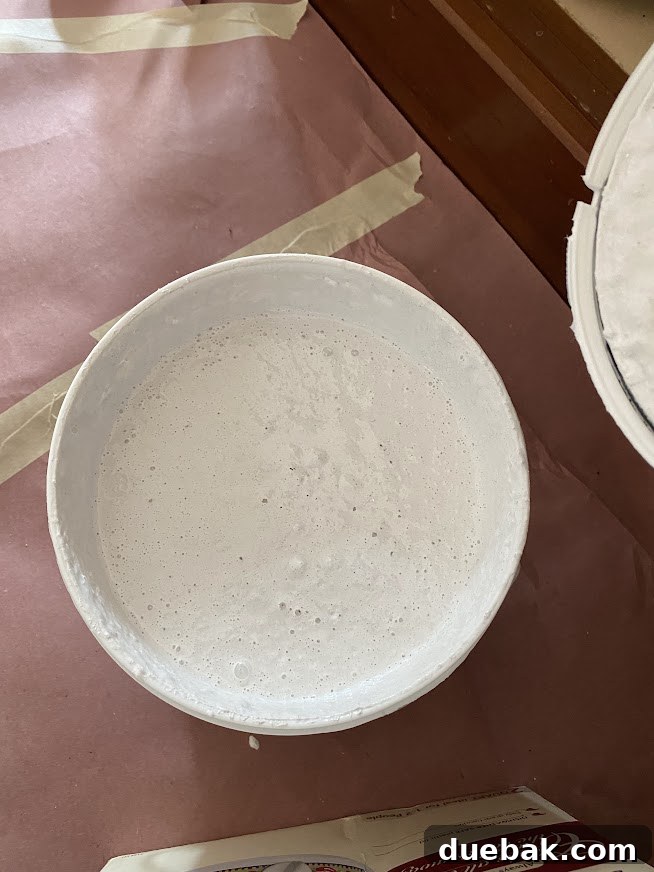
- Apply the Stone Coat: Before application, thoroughly mix the stone coat product. I found a drill attachment to be highly effective in achieving a perfectly uniform consistency. Using a fresh roller brush, apply the stone coat to the main countertop areas. For intricate spots around the sink, faucets, and tight side edges, switch to a smaller paintbrush to ensure precise and even application. This coat contains the decorative flecks that give LuxRock its distinct granite-like appearance.
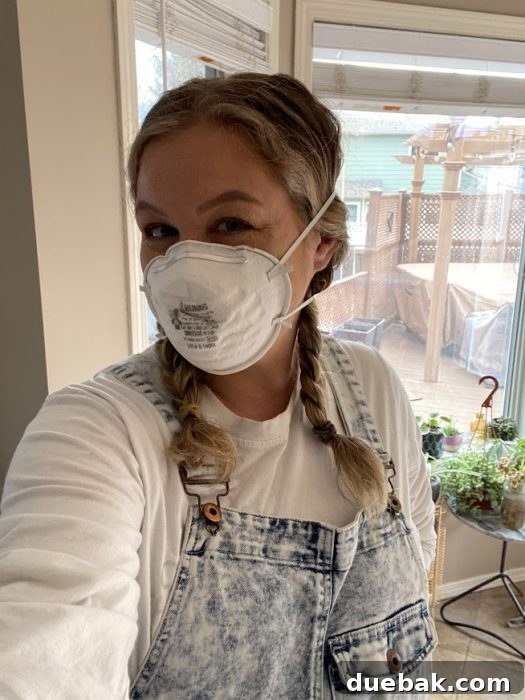
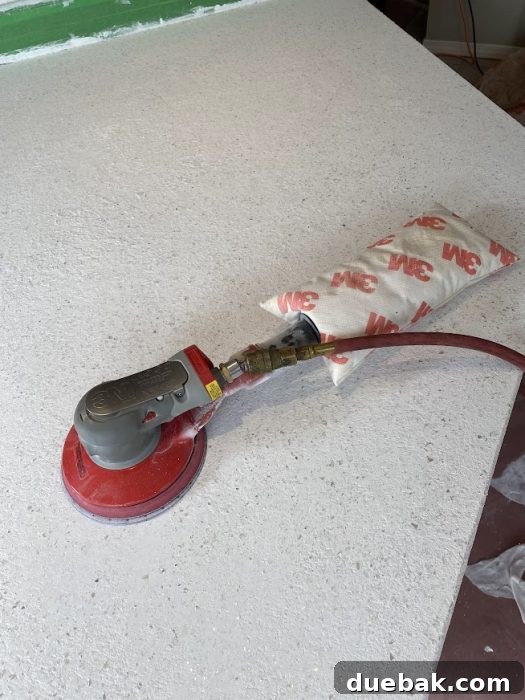
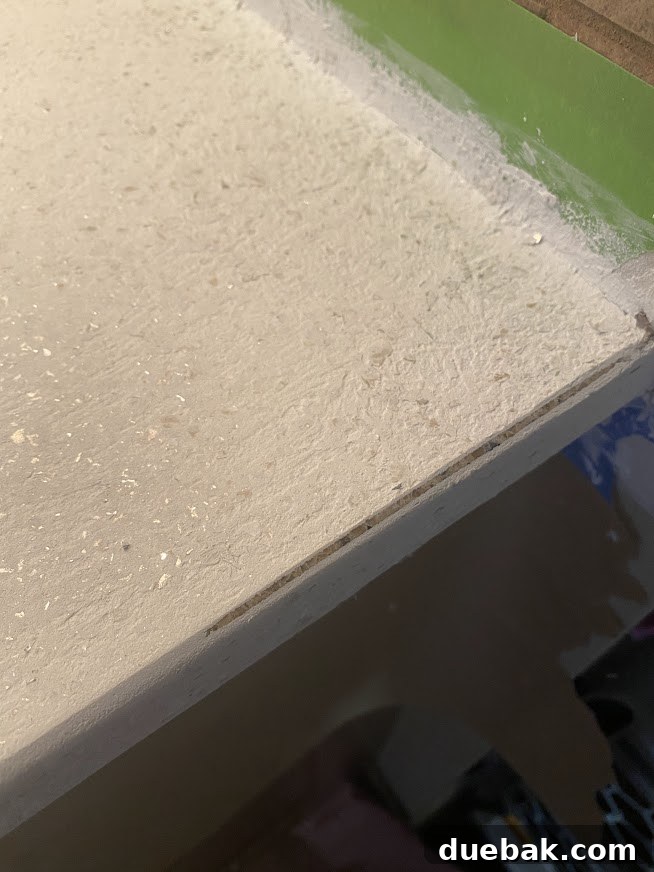
- First Sanding Phase: Once the stone coat is fully dry according to the kit’s instructions, it’s time to sand. We experimented with several types of sanders, but unequivocally, the most effective solution was using any rotary sander connected directly to a shop vacuum. This setup is a game-changer for dust control. Without it, you’ll create an enormous, unmanageable mess of dust that is incredibly frustrating to clean. Remember to wear a mask and safety glasses throughout the sanding process.
- Second Stone Coat and Sanding: Apply a second, even coat of the stone product. Refer to your kit’s specific instructions for recommended drying times between coats. Once dry, repeat the sanding process, again ensuring proper dust extraction with your shop vacuum. This second layer builds further depth and refines the texture.
- Apply the Sealing Coat (Epoxy): After the final sanding of the stone coat, thoroughly clean any remaining dust from the surface. Then, apply the clear epoxy sealing coat. This layer provides crucial protection and adds to the countertop’s durability and visual depth.
- Light Sanding (if directed): Depending on your kit and desired finish, a very light sanding after the epoxy might be recommended to prepare for the final top coat. Always follow your kit’s instructions precisely.
- Apply the Final Top Coat: Apply the ultimate clear finish top coat. This is the layer that provides the final sheen, whether semi-gloss or matte, and offers maximum protection against scratches, stains, and heat. Allow this coat to dry completely, respecting the full curing time specified by the manufacturer.
- Finishing Touches: Once the top coat has completely dried and cured, carefully remove the painter’s tape. For the cleanest lines, I recommend scoring the edge of the tape with a sharp box cutter before peeling it off. Finally, apply fresh caulk where your countertops meet the backsplash and walls, ensuring a watertight and professional finish. Allow the new caulk to dry fully before putting your kitchen back into full use.
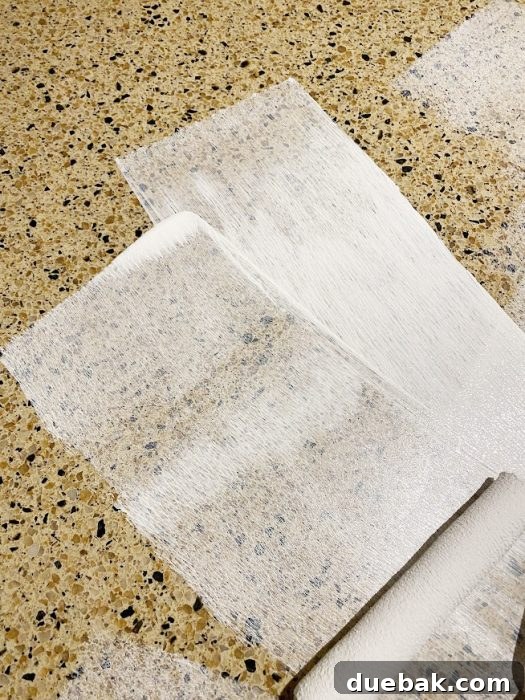
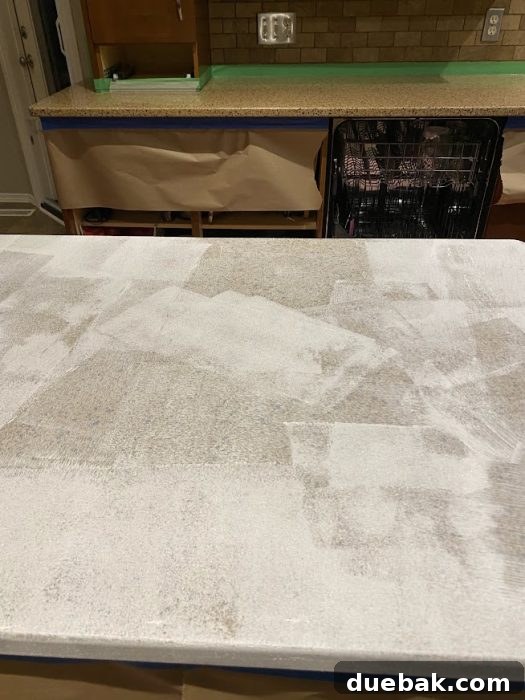
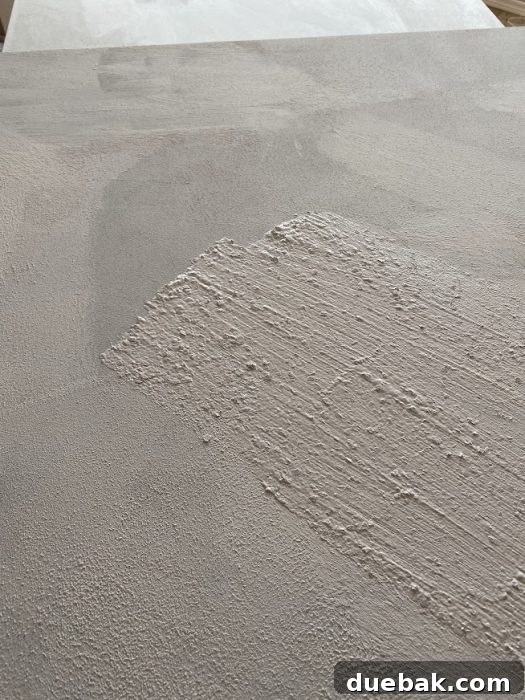
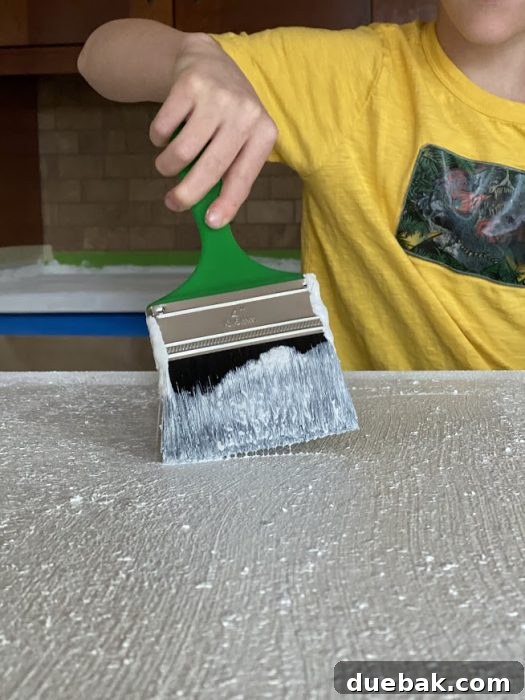
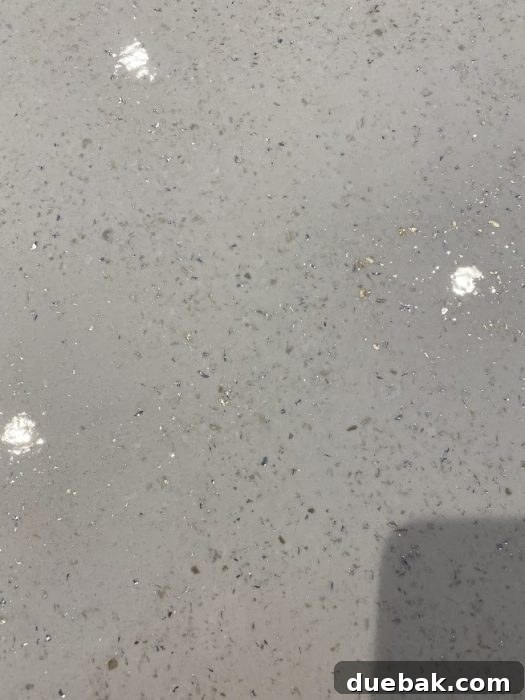
As you sand, you’ll notice the embedded flecks within the stone coat starting to emerge and shine, adding depth and visual interest. It’s a truly exciting moment that reveals the beauty of the transformation!
Long-Term Performance: How Does LuxRock Hold Up?
It’s been several months since we completed the stone-coated countertops, and our family of six, including four active boys and a dog, puts everything we own through rigorous testing. This makes us an ideal gauge for real-world durability. I’m thrilled to report that the surface of the countertop still looks absolutely fantastic. I’ve meticulously inspected it and can confirm there are no signs of cracks, chipping, or premature wear. While the lighter color naturally highlights food spills more readily, I’m genuinely delighted every time I effortlessly wipe them away with a damp cloth – a stark contrast to the old counters where spills vanished into the dark pattern.
Regarding heat resistance, I’ve adopted a cautious approach and continue to use hot pads for direct placement of hot pots and pans. However, we’ve inadvertently placed a warm skillet directly onto the surface on a few occasions and have observed no changes whatsoever to the semi-gloss finish or the integrity of the coating. This provides confidence in its everyday resilience.
Overall, my satisfaction with the LuxROCK Solid Surface Granite Countertop Kit is beyond immense. I wholeheartedly recommend it to anyone seeking a cost-effective yet incredibly impactful upgrade to their kitchen countertops, or truly, any solid surface in their home. In fact, I’m so impressed that I’m already envisioning its potential use on a tile fireplace surround for another home improvement project!
Essential Tips and Tricks for a Flawless Countertop Resurfacing Project
Achieving a professional-looking finish with your countertop resurfacing kit requires attention to detail and a few insider tricks. Here are my top recommendations for a successful DIY experience:
- Start Small for Confidence: If you’re new to resurfacing, consider beginning with a smaller, less prominent project. A bathroom vanity, a desk, or even just a kitchen island can be an excellent starting point, especially if it doesn’t involve a sink, which adds a layer of complexity. I found there was a definite learning curve, and the process became significantly easier and more enjoyable once I gained comfort and familiarity with each step and material.
- Integrate Your Sander with a Shop Vacuum: This is arguably the most crucial tip for maintaining your sanity and cleanliness. Connecting your electric sander directly to a shop vacuum transforms the project from a potentially chaotic, dust-ridden construction zone into a far more manageable endeavor. It drastically reduces airborne dust, simplifies cleanup, and ensures a cleaner working environment, which is vital for proper adhesion between coats. Always wipe surfaces down with a wet cloth frequently to capture any residual fine dust.
- Exercise Caution with Edges During Sanding: While striving for a perfectly smooth finish, it’s incredibly easy to inadvertently sand away too much material, particularly on the corners and edges of your countertops. I often found myself frustrated, having over-sanded these vulnerable areas. To prevent this, be very mindful of the angle of your sander, keeping it flat against the surface. For edges, consider sanding by hand with a sanding block or fine-grit sandpaper to maintain better control. I even had to touch up a couple of spots with primer before proceeding to the top coats to ensure even coverage. (I was tempted to use white chalk paint for touch-ups but worried about sheen matching, so I stuck with the kit’s primer.)

- Meticulous Prep is Non-Negotiable: “Prep, prep, prep” cannot be overstated. Beyond cleaning, pay extremely close attention to your painter’s tape application. Ensure it’s aligned perfectly straight and pressed down firmly around the sink and backsplash to create sharp, clean lines. Once the project is complete and fully dry, carefully remove the tape by scoring along its edge with a sharp box cutter or utility knife. This simple step prevents the dried coating from peeling off with the tape, leaving you with a perfectly crisp, professional-looking line.
- Thoroughly Mix the Stone Coat: The stone coat contains the decorative flecks that give your counters their new appearance, and these can settle. It is absolutely essential to mix this product extremely well, ensuring the stone particles are evenly distributed throughout the liquid. I highly recommend using an attachment on your drill for this task, as it provides far superior mixing compared to hand-stirring. Uneven mixing can result in patchy areas where the stone texture is inconsistent, compromising the final aesthetic.
- Consider an Extra Primer Coat for Darker Surfaces: If you are attempting to cover a very dark granite or laminate surface with a light-colored stone coating, applying an additional, third coat of primer can be a very wise decision. This extra layer provides superior coverage and ensures that the dark base color doesn’t subtly bleed through or affect the brightness of your chosen light stone shade, leading to a more vibrant and consistent final finish.
How To Paint Granite Countertops: Project Overview
1 hour
3 hours
4 hours (per coat application cycle, full cure time varies)
Intermediate
Achieve the sophisticated look and superior quality of new granite countertops with a rewarding weekend DIY project, all while staying within budget. This cost-effective countertop refresh will utterly amaze you with its stunning results!
Key Materials
- Countertop Resurfacing Kit (e.g., LuxRock)
- Various grit sandpaper (from kit, plus extra)
- High-quality Painter’s Tape
- TSP Cleaner
- Caulking and caulk gun
- Plastic sheeting / Drop cloths
Essential Tools
- Electric Sander (Orbital/Rotary)
- Shop Vacuum (for dust collection)
- Paint Rollers & Brushes (from kit)
- Box Cutter / Utility Knife
- Safety Glasses & Mask