
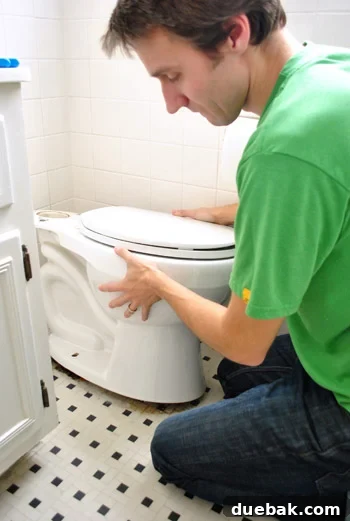
The persistent wobble of a bathroom toilet can be more than just an annoyance; it can signal underlying issues that, if left unaddressed, could lead to costly water damage or compromise the structural integrity of your floor. From the moment we moved into our home, the toilet in our hall bathroom had a slight rock, a detail even our inspector highlighted. While some minor wobbles can be resolved with simple plastic shims or by tightening bolts, our situation quickly presented a deeper challenge: a severely rusted bolt located beneath the toilet flange. This diagnosis meant a more involved repair, requiring the complete removal of the toilet and the replacement of the compromised bolt and wax ring. After putting this task off for far too long, I finally decided it was time to tackle this home improvement project head-on and restore stability to our bathroom’s porcelain throne. This comprehensive guide will walk you through every step of fixing a rocking toilet, ensuring a secure and leak-free installation, all while empowering you with the confidence to tackle common household plumbing repairs.
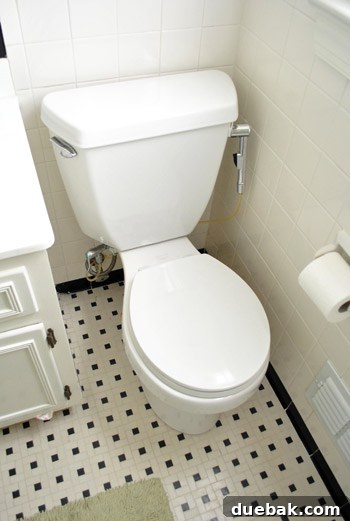
While the fundamental process for reinstalling a toilet shares similarities with a fresh toilet installation, the crucial distinction in this project lies in the initial stages: carefully removing an existing toilet that has likely been in place for years. This means you’ll gain firsthand experience with the less glamorous but essential task of dealing with an old, possibly deteriorated wax ring, which we’ll capture in some unapologetically close-up photographs. It might not sound like the most appealing subject, but rest assured, the satisfaction of a stable, leak-free toilet is well worth the effort. Let’s begin our journey by preparing the toilet for removal, starting with the critical first step: turning off the water supply.
Essential Materials for a Stable Toilet Repair
Addressing a rocking toilet and replacing its wax ring primarily involves basic hand tools, many of which are likely already part of a well-equipped homeowner’s toolkit. Power tools are generally not required for this type of plumbing repair, making it an accessible DIY project. The most specific item you will almost certainly need to purchase is a new wax ring kit, which is crucial for establishing a watertight seal between the toilet bowl and the drainpipe. To ensure a smooth repair, gather the following:
- Flathead Screwdriver: Essential for detaching various fasteners and occasionally prying.
- Wrench: A versatile tool for loosening and tightening bolts on the toilet tank and bowl, as well as the water supply line. An adjustable wrench is often sufficient, but a set of open-end wrenches can provide a more secure grip.
- Hacksaw: Needed for cutting down any excess length from the new toilet flange bolts, allowing the decorative caps to fit properly. Ensure you have a sharp blade for clean cuts.
- Small Putty Knife: Ideally a plastic one, to safely and effectively scrape away the old, sticky wax ring residue from both the toilet flange and the base of the toilet bowl without scratching the ceramic or floor.
- Bowl, Sponge, and/or Paper Towels: Indispensable for soaking up residual water from the toilet tank and bowl, as well as for general cleanup during the process. Keep a generous supply of old towels or absorbent paper towels on hand.
- New Wax Ring Kit*: This is the heart of your repair. Make sure the kit includes new toilet flange bolts, washers, and nuts, as these often corrode and contribute to rocking. Opt for a reinforced wax ring if available, as it offers a more robust seal.
- White Silicone Caulk: Used to create a clean, stable seal around the base of the reinstalled toilet. This helps prevent lateral movement and adds a polished finish.
*Pro Tip: We strongly recommend purchasing two wax ring kits just in case the first installation attempt doesn’t go perfectly. It’s a small extra cost that can save you a significant amount of time and a potentially frustrating trip back to the hardware store. Always ensure the kit explicitly states it comes with new bolts!
Step 1: Turn Off Water & Thoroughly Drain The Tank
The initial and arguably most critical step in any toilet repair is to completely stop the water flow to the fixture. Locate the water supply line valve, usually positioned on the wall behind or to the side of the toilet, and turn it clockwise until it is fully closed. Attempt to do this by hand first, as over-tightening with a wrench can damage the valve, potentially leading to leaks or requiring a more extensive plumbing repair. If the valve is stiff or stuck, a light application of WD-40 or a similar penetrating oil (even olive oil can work in a pinch) around the connection can help loosen it. Remember, only lubricate the connection; do not attempt to remove any screws on the valve itself, as this could cause an immediate leak.
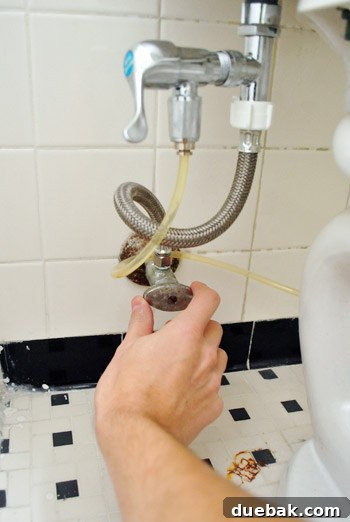
Once the water supply is confirmed off, flush the toilet multiple times. This action will drain the tank and the majority of the water from the bowl. For any remaining water in the tank and bowl, use a sponge or old towels to meticulously soak it up by hand. Ensuring the toilet is as dry as possible minimizes mess and makes the subsequent steps much more manageable and sanitary. While I won’t subject you to a close-up of my hand in the toilet bowl, this thorough drying process is absolutely essential.
Step 2: Detach The Water Supply Line
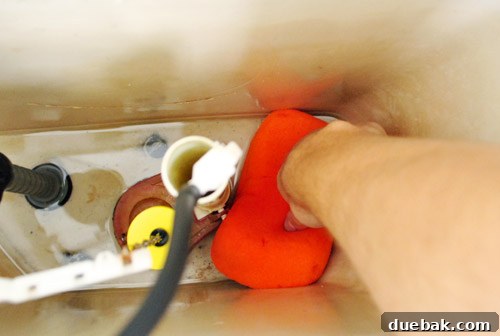
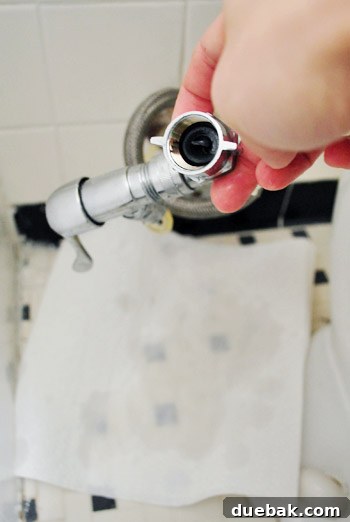
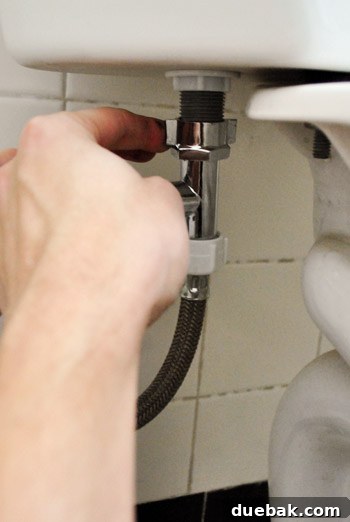
With the toilet largely drained and dry, the next step involves disconnecting the water supply line from the bottom of the toilet tank. This line is typically attached with a nut that can be loosened with a wrench. In our case, we have a cloth diaper sprayer attached to our toilet, which makes the setup appear a bit more complex than a standard toilet. However, the principle remains the same: identify the connection point where the supply line meets the tank and carefully unscrew it. Be prepared for a small amount of residual water that may still be present in the line; keep paper towels or a small bowl close by to catch any drips and prevent water from seeping onto the bathroom floor.
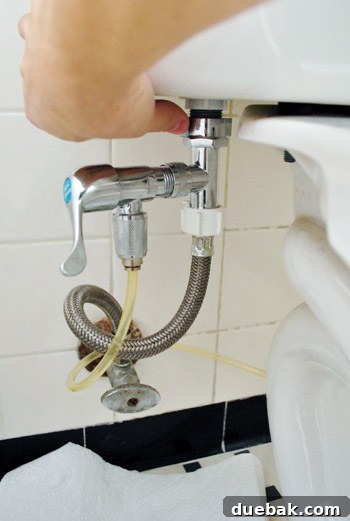
Even after flushing and draining, a surprising amount of water can remain in the supply line itself. Having absorbent paper towels ready to immediately sop up this leftover water is crucial for maintaining a clean workspace. This attention to detail prevents small spills from becoming larger headaches, especially on absorbent flooring materials or areas susceptible to moisture damage.
Step 3: Unscrew & Carefully Remove The Toilet Tank
Once the water supply line is detached, the next task is to separate the toilet tank from the bowl. Most toilet tanks are secured to the bowl with two or three bolts accessible from inside the tank. Using a flathead screwdriver, you can typically unscrew these bolts from the top. In some instances, you might need to access and unscrew a nut from the underside of the bowl to completely release the tank. Work slowly and ensure all fasteners are fully disengaged before attempting to lift.
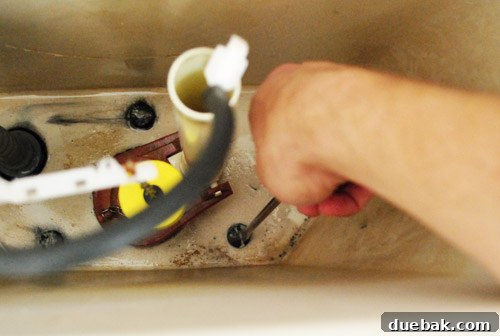
After all the bolts are unscrewed, carefully lift the toilet tank. Be mindful of its weight and the ceramic’s fragility. It’s best to lift it straight up to avoid chipping or cracking. Once removed, place the tank somewhere safe, out of the way, and on a soft surface to prevent damage. For instance, an old towel laid inside a bathtub provides an excellent, cushioned spot. This might not be the most glamorous approach, but it’s a practical and effective way to protect your fixture during the repair process.
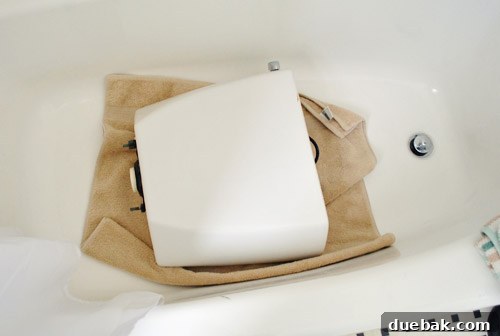
With the tank safely removed, you’ll be left with the toilet bowl, looking a bit “topless” and ready for the next stage of the repair. This clear view of the bowl’s base will soon reveal the source of the rocking issue and the old wax ring.
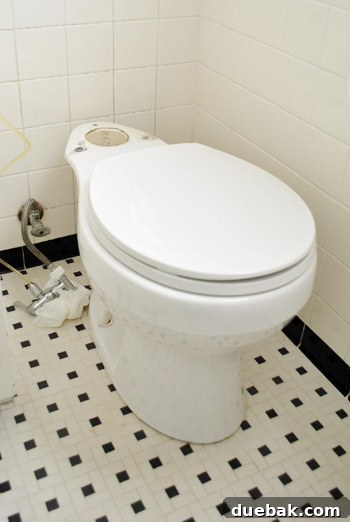
Step 4: Remove The Toilet Bowl From The Floor
The toilet bowl is typically secured to the floor by two bolts, one on each side, which pass through the toilet’s base and into the floor flange. Using your wrench, carefully loosen and unscrew the nuts securing these bolts. In our specific case, the severely rusted condition of one of these bolts was precisely the reason for our rocking toilet predicament, indicating a long-standing issue and the urgent need for replacement.
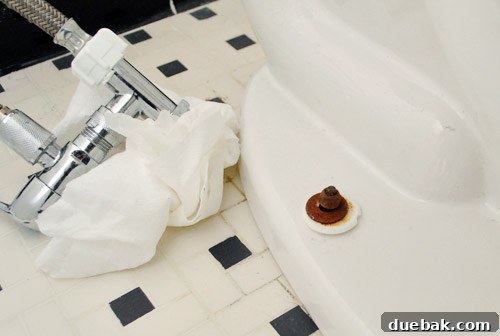
Once both bolts are completely unscrewed, the toilet bowl will still be adhered to the floor by the wax ring underneath. To detach it, gently rock the toilet bowl from side to side. This rocking motion will break the seal of the old wax ring, allowing the bowl to separate from the floor flange. Lift the bowl straight up and away, being careful to avoid excessive tilting, as there might be a small amount of residual water in the trap. The bowl should come up relatively easily once the wax seal is broken. Be prepared for the sight of the old wax ring—it’s often a bit messy, but a necessary step in the repair process!
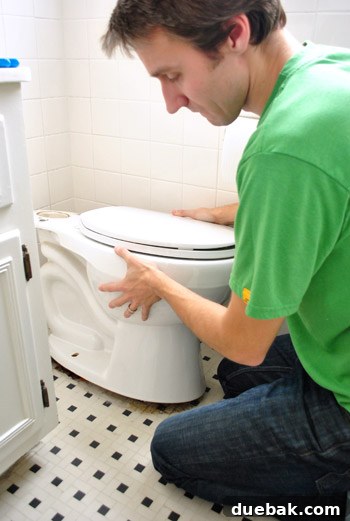
Step 5: Temporarily Plug The Exposed Sewage Hole
With the toilet bowl successfully removed, you’ll now have an unobstructed view of the toilet flange and the open drainpipe leading directly into your home’s sewage system. This is often the point where the less glamorous aspects of plumbing become apparent. To minimize unpleasant odors from the sewer gas escaping into your bathroom, immediately plug the open drain hole with an old rag or a small towel. Ensure the rag is large enough to create a decent seal but crucially, not so deep that it could accidentally fall into the sewer system. While we jest about angering the “Ninja Turtles,” losing an item down the drain could lead to a far more serious and costly blockage, so exercise caution.
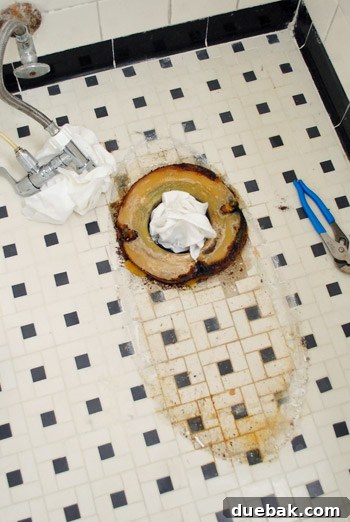
Step 6: Thoroughly Scrape Away The Old Wax Ring
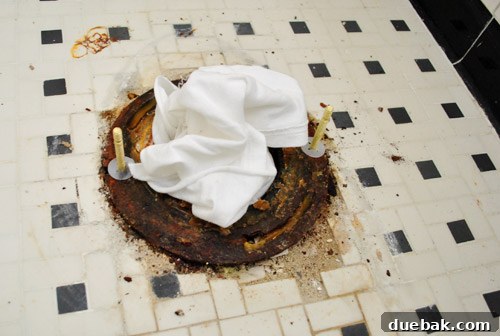
Now comes perhaps the messiest, but unequivocally essential, part of the job: removing the old wax ring. For a new wax ring to form a perfect, watertight seal, the surface of both the toilet flange and the underside of the toilet bowl must be completely free of old wax residue, rust, and debris. Using a plastic putty knife (a plastic tool is highly recommended to avoid scratching the ceramic flange or floor), gently but firmly scrape away all traces of the old wax ring. This might require some patience and elbow grease. While this might be the most “gross” image of the entire process, rest assured that it’s primarily composed of aged wax and rust, not anything more concerning.
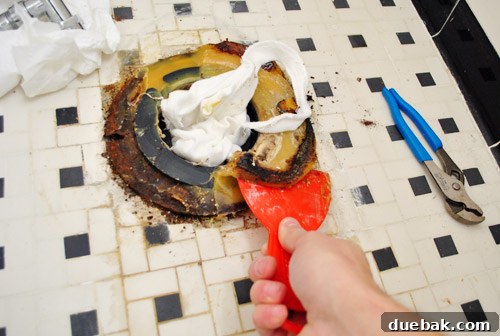
During the scraping process, you might also discover an old rubber reinforcement ring, which sometimes comes included with certain wax ring kits. It’s imperative that this old rubber ring, if present, is also thoroughly removed. New wax ring kits, especially those with reinforced designs, will typically include their own integrated rubber or plastic components, and having two such rings can compromise the seal. Ensure the flange is completely clean and smooth.
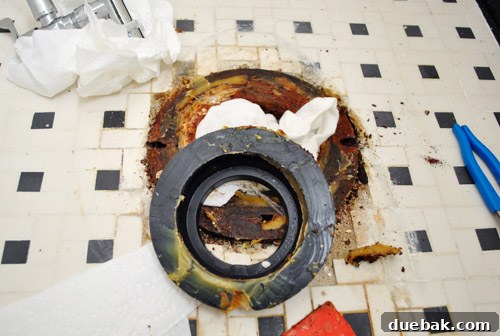
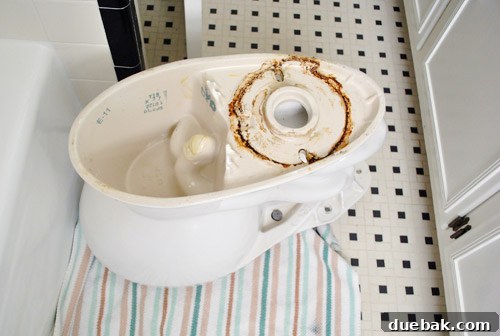
Don’t forget to clean the underside of the toilet bowl as well. Residual wax and grime can cling to the porcelain base, and it’s vital for a new, secure seal that this surface is equally clean. While achieving “pretty” might be a bit of a stretch for the underside of a toilet, a thoroughly clean surface is crucial for the new wax ring to adhere properly and create a reliable, long-lasting seal.
Step 7: Install The New Bolts & Position The Wax Ring
With the old mess cleared away, it’s time to prepare for the new installation. Your new wax ring kit, typically a very affordable purchase (around $7 from a local hardware store like Home Depot), will include the wax ring itself, new closet bolts, washers, and nuts. These new bolts are crucial for securely fastening the toilet to the floor, especially if your old ones were rusted like ours.
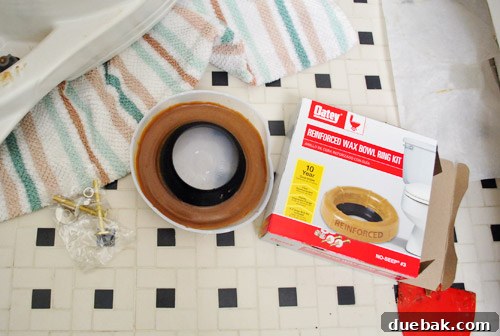
The new wax ring should be firmly pressed onto the horn (the discharge opening) at the bottom of the toilet bowl, not placed directly on the floor flange. This ensures proper alignment and compression when the toilet is set. Simply push it slightly down over the opening until it’s snug. And yes, a curious pet, like our chihuahua, providing a final inspection is always a bonus!
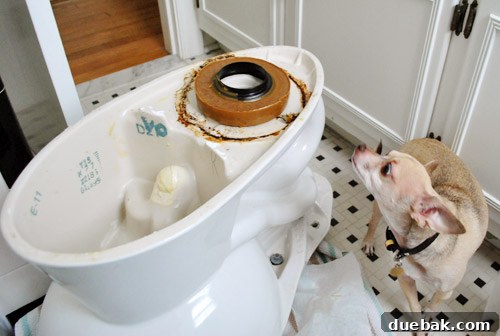
Next, carefully slide the new toilet flange bolts into the slots on your toilet flange, ensuring they are positioned correctly to align with the bolt holes in the base of your toilet bowl. Secure them loosely with a washer and nut to keep them upright, but don’t tighten them yet. Just before you’re ready to set the toilet back down, remember to remove the rag from the sewage hole. This prevents an embarrassing future plumbing issue and keeps the “Ninja Turtles” (or, more accurately, your plumber) happy!
Step 8: Precisely Set The Toilet Bowl Back In Place
This is often considered the trickiest part of the entire process, a step where mistakes can easily lead to needing a fresh wax ring. Setting the toilet bowl correctly requires a combination of strength and precision for two main reasons: firstly, toilet bowls are surprisingly heavy and awkward to maneuver; and secondly, you must align the bolt holes in the base of the toilet perfectly over the new flange bolts in a single, deliberate motion. If you miss the alignment or squish the wax ring unevenly, you’ll likely need to lift the toilet, remove the compromised wax ring, and start over with a new one. This is precisely why investing in an extra wax ring kit proves invaluable. The cost of an additional $6-$7 is a small price to pay to avoid another trip to the store or, worse, dealing with a leaky toilet due to a poor seal. This step is significantly easier and safer with two people; a helper (like Sherry, once she finished taking this crucial photo!) can guide you for perfect alignment and even lifting.
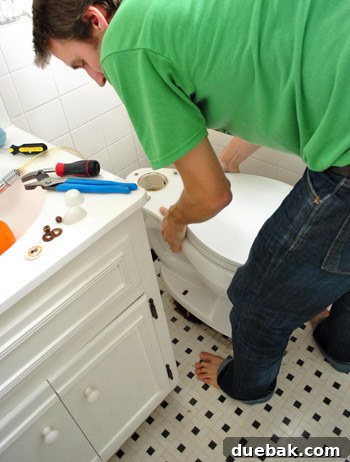
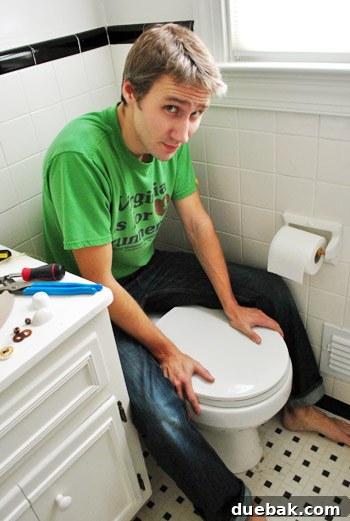
Once the toilet is carefully placed and you’ve confirmed it’s sitting straight and evenly, a crucial final step for sealing the wax ring is to apply gentle, even pressure. The most effective way to do this is to carefully sit on the toilet bowl. Your weight will evenly compress the wax ring, ensuring a complete and watertight seal between the toilet and the flange. This pressure test ensures the wax conforms perfectly, preventing future leaks. And yes, while it might seem unconventional, this isn’t the first time I’ve been featured on the john in a tutorial, and it certainly won’t be the last if it helps ensure a successful DIY project!
Step 9: Securely Tighten The Toilet Bolts
After confirming the toilet bowl is firmly seated and the wax ring has formed a good seal, it’s time to secure it permanently to the floor. The new closet bolts should now be protruding cleanly through the designated holes in the base of the toilet bowl. Place a washer over each bolt, followed by the nut. (A quick note: that unusual discoloration on the floor isn’t a hairball; it’s a peculiar rust stain that has been present since we moved in. We promise, our cleaning habits are much better than it suggests!)
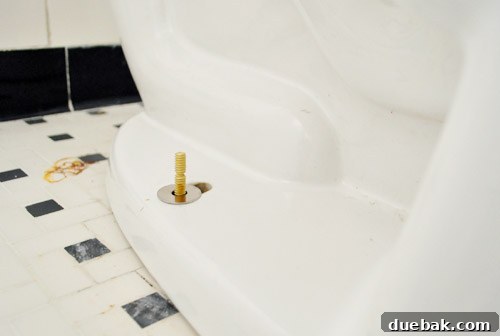
Begin by hand-tightening the nuts as much as possible. Then, using your wrench, gradually tighten each nut. This step requires a delicate touch: it’s crucial not to over-tighten the nuts, as the ceramic base of the toilet can easily crack under excessive pressure. To ensure an even and stable installation, alternate between tightening each side. Turn one nut a few rotations, then switch to the other, repeating this process until both sides are snug and the toilet feels completely stable. If you want absolute precision, you can use a level across the top of the bowl to verify it’s perfectly horizontal.
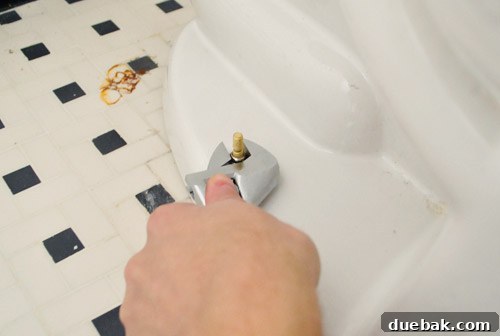
Step 10: Trim Excess Bolt Length for a Clean Finish
Once the toilet bolts are securely tightened, you’ll likely find that the bolts extend a bit too far above the nuts for the decorative plastic caps to fit properly. This is a common occurrence and easily remedied. Using your hacksaw, carefully saw off the excess length of each bolt, leaving just enough length for the cap to securely snap into place. Make sure to cut cleanly and evenly to ensure a tidy appearance.
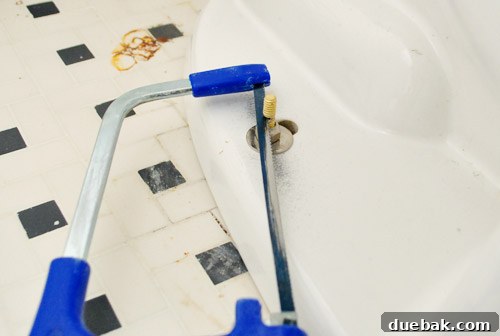
Step 11: Reattach Your Toilet Tank to the Bowl
With the toilet bowl now firmly in place and no longer rocking, it’s time to reassemble the tank. Carefully lift the toilet tank and align it with the bolt holes on the back of the toilet bowl. Insert the tank bolts and secure them with washers and nuts from the underside, typically hand-tightening first. Similar to securing the bowl, exercise caution here: tighten the nuts just enough so the tank feels secure and stable, but avoid excessive force to prevent cracking the ceramic. A snug fit is key to preventing future leaks between the tank and bowl.
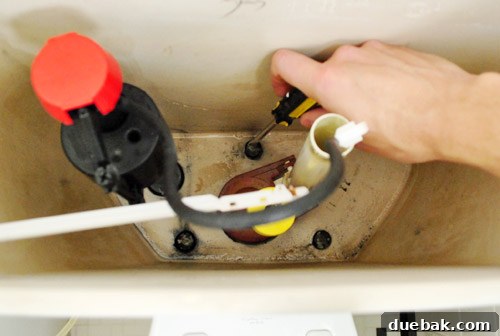
Step 12: Reconnect Water Line & Thoroughly Check For Leaks
The moment of truth has arrived! Reconnect the water supply line to the underside of the toilet tank. Hand-tighten the connection first, then use a wrench to give it a final snug turn, but again, avoid over-tightening. Once the supply line is reconnected, slowly turn the main water supply valve back on (counter-clockwise). Allow the tank to refill completely, then flush the toilet several times. This is your critical leak inspection phase. Carefully check all connection points: around the base of the toilet bowl, where the tank connects to the bowl, and especially where the water supply line connects to the tank. Look for any drips, seeping water, or dampness. Address any leaks immediately by gently tightening the respective connections, ensuring they are secure.
Step 13: Caulk Around the Base Of the Bowl
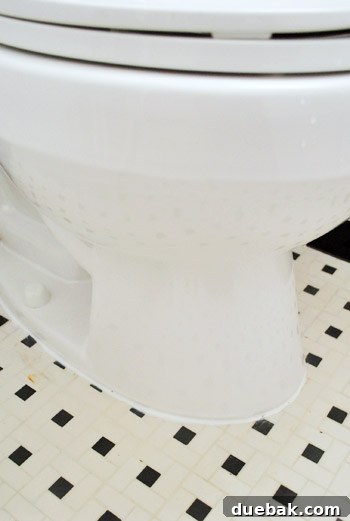
Once you’ve confirmed there are absolutely no leaks, the final step for a polished and secure installation is to apply a bead of white silicone caulk around the base of the toilet bowl where it meets the floor. This provides an additional layer of stability, seals out dirt and moisture, and gives the toilet a clean, finished look. However, there’s a clever “plumber’s trick” to keep in mind: only caulk around the front 75% of the bowl, leaving a small gap unsealed at the very back. This unsealed section acts as an early warning system. Should a leak develop in the future (perhaps from a failing wax ring), the water will escape from the uncaulked back section, alerting you to the issue before it can cause hidden water damage to your floor or subfloor. This simple technique can save you significant repair costs down the line.
BONUS: Enhance Your Toilet with a Dual-Flush Converter Kit
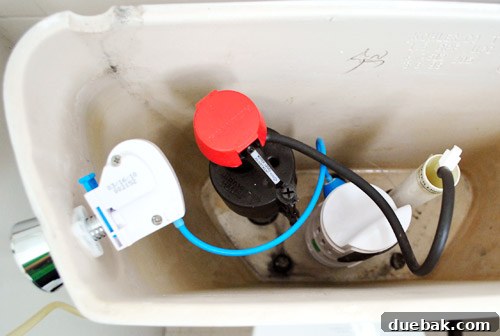
While fixing a rocking toilet marks a successful repair, we seized this opportunity to implement a worthwhile upgrade: installing a dual-flush converter kit. This ingenious device transforms a standard toilet into a water-saving model, offering two distinct flushing options. It’s an excellent way to boost your toilet’s efficiency while it’s already disassembled.
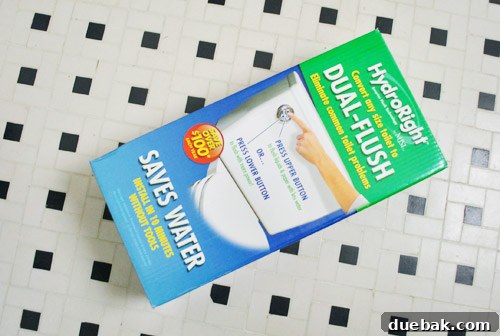
We’ve previously installed one of these in our old house, and you can find a more in-depth dual flush toilet conversion tutorial here. Essentially, this affordable $25 converter kit allows you to choose between a lighter, water-saving flush for liquid waste and a full, powerful flush for solid waste. This simple modification leads to significant water savings over time, reducing your utility bills and your environmental footprint. It’s like giving your toilet a modern, eco-friendly upgrade, pretending it’s a high-tech fixture from the future!
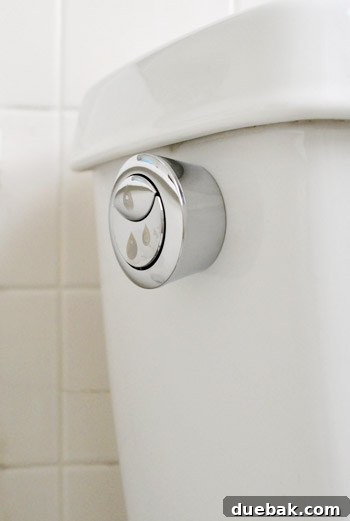
Compared to the extensive wax ring replacement and toilet reinstallation, the dual-flush kit’s setup was a breeze. It usually involves a simple swap of internal components and the installation of a new flush button. The result is a toilet that not only stands firm but also contributes to water conservation.
And for the grand finale – behold the “after” shot of our now perfectly stable, leak-free, and dual-flushing toilet. Visually, it might appear largely unchanged, but the transformation in its functionality and stability is profound. There’s no longer that disconcerting, seasick-like motion when you sit down. We can now confidently send guests to the hall bathroom without having to issue a warning about the unsteady throne. This seemingly small repair brings immense satisfaction and peace of mind, knowing a crucial bathroom fixture is once again secure and performing optimally.
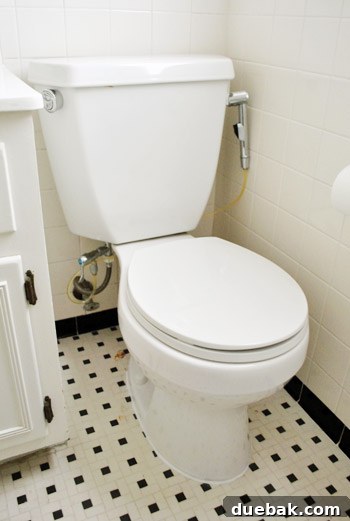
And let’s be honest, that cloth diaper sprayer mounted on the right adds a touch of hardcore utility, almost like our toilet is sporting a little holster. It’s a blend of practical function and unique aesthetic that perfectly encapsulates our approach to home improvement.