

Splurge vs. Save: Mastering Your Home Renovation Budget for Lasting Value
The age-old question for any homeowner embarking on a renovation journey is, “Where should I splurge, and where can I save?” This isn’t just a common inquiry; it’s a fundamental aspect of thoughtful home design and financial planning. While the answer truly varies by individual circumstances, personal preferences, and specific project goals, we believe it’s possible to outline a balanced approach. Our philosophy centers on creating a home that feels both luxurious and budget-friendly, strategically allocating resources to achieve maximum impact and long-term satisfaction.
Defining “splurge” and “save” is inherently subjective. For some, a splurge might mean a five-figure kitchen overhaul or custom-built cabinetry, reflecting a significant investment in specialized craftsmanship. For us, a “splurge” often involves investing in foundational elements or high-impact items that enhance daily living and long-term value, even if we undertake the labor ourselves to mitigate costs. Conversely, what one person considers “saving” – perhaps strictly adhering to second-hand items or making do with what’s on hand – we might expand to include intelligently sourced big-box offerings or significant DIY effort. This nuanced understanding is crucial for any homeowner aiming to personalize their space without breaking the bank. Let’s dive into our personal strategy and reveal where we’ve chosen to invest and where we’ve cleverly cut corners in our new home.

Our Strategic Splurges: Investing in Lasting Value and Lifestyle
In our current home, our splurges have been carefully chosen to prioritize longevity, functionality, and elements that significantly enhance our daily lives or the home’s intrinsic value. These are the areas where we decided to invest more upfront, often with the expectation that these choices would serve us well for decades to come, reducing the need for future replacements or extensive maintenance.
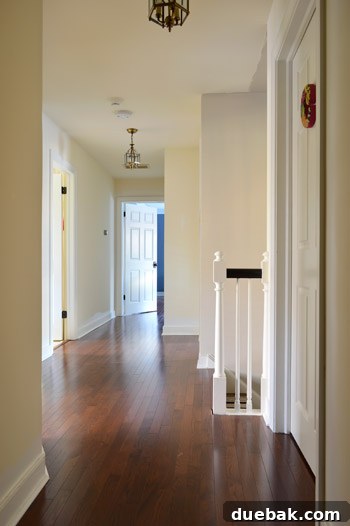
- Hardwood Floors Throughout the Second Floor: Opting for high-quality hardwood floors was a deliberate decision for their durability, timeless aesthetic, and the warmth they bring to a space. While the installation was a significant undertaking, these floors are a foundational element that will withstand years of family life and add considerable resale value.
- Upgraded Slate-Like Roof: A roof is a home’s primary defense against the elements. Investing in a durable, aesthetically pleasing, slate-like roof was a non-negotiable. This critical infrastructure upgrade provides peace of mind, superior protection, and significantly enhances the home’s curb appeal, making it a wise long-term investment.
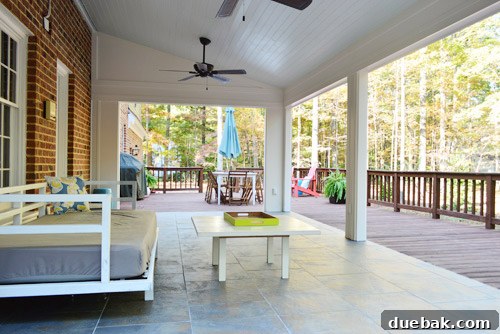
- Extensive Sunroom Renovation: Our sunroom was transformed into a highly functional and inviting space. This involved significant structural and aesthetic changes, including professional tiling, lofting the ceiling, and adding tongue-and-groove planks. It’s now a cherished extension of our living area, designed for comfort and enjoyment for years to come.
- Professional Yard Leveling: While we undertook the subsequent seeding ourselves, hiring professionals to correctly level our yard was crucial. Proper grading prevents water damage, creates usable outdoor living areas, and provides a stable foundation for all future landscaping projects, making it an essential foundational splurge.
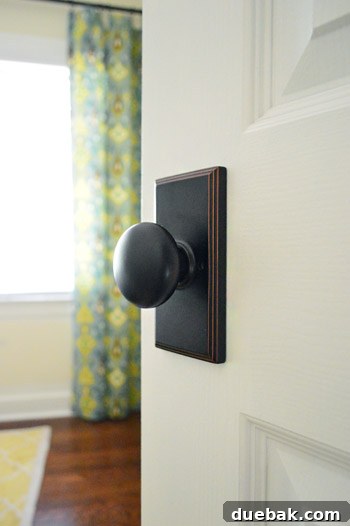
- Upgraded Doorknobs: Instead of spray painting old, pitted doorknobs, we invested in new, higher-quality ones. Doorknobs are high-touch items used multiple times a day. This small upgrade significantly impacts the tactile experience and visual consistency throughout the house, adding a subtle touch of luxury.
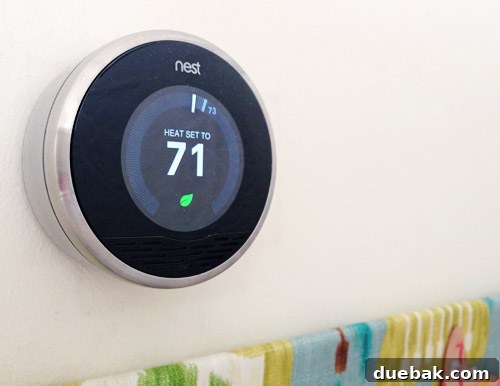
- Adding Two Nest Thermostats: With two separate heating/cooling systems, investing in Nest thermostats was a splurge driven by both convenience and efficiency. These smart devices allow for remote control, learn our habits, and significantly optimize energy consumption, translating into long-term savings and daily comfort.
- Choosing Upgraded Furnishings: We strategically splurged on key furniture pieces like a Restoration Hardware table, a West Elm dresser, and two $300 dressers converted into built-ins for the nursery. These pieces are chosen for their quality, design, and ability to anchor a room, becoming staples that we expect to love for many years.
- Hanging Extra Thick Crown Molding: Architectural details like substantial crown molding instantly elevate a room’s perceived value and aesthetic appeal. Having successfully installed it in Clara’s room and the nursery, we plan to extend this elegant touch to the guest room and upstairs hallway.
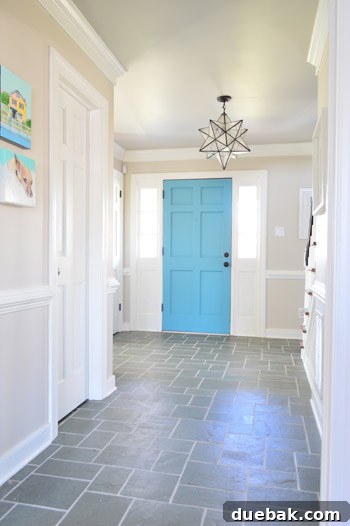
- Buying Upgraded Light Fixtures: Lighting is often underestimated in its power to transform a space. Our investment in upgraded fixtures, particularly in high-traffic areas like the kitchen and the foyer, creates specific ambiance, acts as a design statement, and enhances both functionality and style.
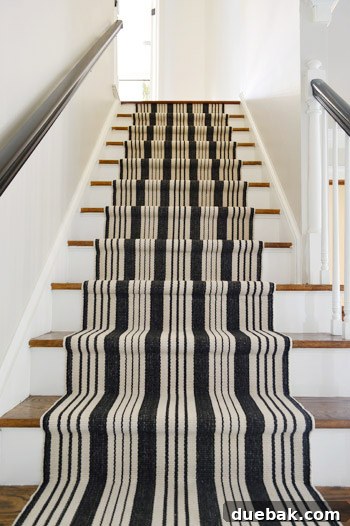
- Adding a Dash & Albert Runner to the Stairs: A stair runner serves multiple purposes: it protects the stairs, adds a layer of safety, reduces noise, and introduces pattern and texture. A high-quality runner like the Dash & Albert ensures durability and a sophisticated look for a heavily used area.
- Planting a Few Large Privacy Trees in the Backyard: Landscaping, especially large privacy trees, is a long-term investment that grows with the home. It offers immediate benefits like seclusion and aesthetic appeal, while also appreciating in value over time and enhancing the outdoor living experience.
- Choosing Upgraded Laundry Appliances: Laundry is a daily chore, so efficient and feature-rich appliances can make a significant difference. We invested in upgraded models with specific features that we knew would enhance our routine, making this necessary purchase feel more like a convenience-driven indulgence.
It’s important to acknowledge that the line between “splurge” and “save” can often be blurred, leading to what we call “hybrid projects.” For instance, while our Restoration Hardware table might sound like a major splurge, we acquired it at a substantial 70% discount. Similarly, the West Elm dresser was purchased using funds generated from selling other items on Craigslist, effectively making it a no-cost acquisition from our savings. These examples highlight how savvy shopping and resourcefulness can transform a potential splurge into a smart save.
Other projects are hybrid by nature: we splurged on the quality Dash & Albert stair runner but saved significantly by installing it ourselves. Likewise, we invested in professional yard leveling but undertook the extensive grass seeding and subsequent landscaping ourselves. This strategic combination of professional help for critical tasks and DIY for labor-intensive ones maximizes impact while minimizing overall expenditure. This flexible approach extends to our saving endeavors too.
Our Smart Saves: Maximizing Impact with Sweat Equity and Savvy Choices
Our save list is primarily driven by “sweat equity” and a commitment to addressing cosmetic issues with creative, low-cost solutions. These projects demonstrate that significant improvements don’t always require a hefty budget; often, time, effort, and a willingness to learn new skills are more valuable assets.
- Painting Countless Walls, Ceilings, and Trim/Baseboard/Molding Ourselves: Painting offers the single biggest transformation for the least amount of money. By tackling all interior painting ourselves, we’ve dramatically refreshed the look and feel of numerous rooms, saving thousands in labor costs.
- Refreshing the Grout in Our Foyer: This simple, low-cost project ($12 for grout refresh) had an outsized impact, making the existing tiled foyer look brand new. It’s an excellent example of how small details can make a huge difference.
- Rejuvenating the Existing Wood Floors Downstairs: Instead of replacing them, we brought the existing downstairs wood floors back to life. This restoration project saved a significant amount compared to new installation and preserved the home’s original character.
- Finding Four $15 Kitchen Chairs at a Thrift Store: Thrift stores are treasure troves for unique, budget-friendly finds. Our $15 kitchen chairs are not only a steal but also add character that new, mass-produced items often lack.
- Painting Our Existing Six-Panel Interior Doors: Rather than the expense of replacing all interior doors, a fresh coat of paint transformed their appearance, updating them to match our home’s new aesthetic.
- Removing All the Wallpaper in Five Rooms Ourselves: This labor-intensive task, though free in terms of monetary cost, required considerable effort. However, it laid the essential groundwork for clean, updated walls, preparing them for paint or new finishes.
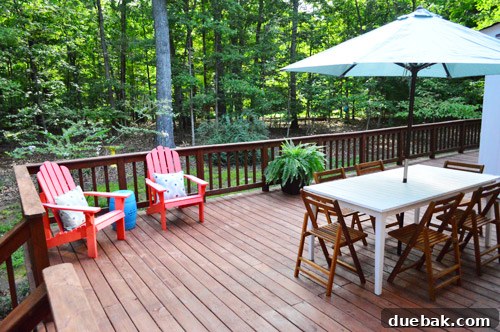
- Stripping and then Resealing & Staining Our Deck: Deck maintenance, like stripping and resealing, extends its lifespan and revitalizes its appearance, preventing the need for costly replacement. This DIY effort saved on professional labor.
- Phase One Updates in the Bedroom Sink Nook: This involved several low-cost, high-impact changes, such as removing old carpeting, stenciling the subfloor, acquiring a larger mirror, and updating the existing vanity. These provide a fresh look without the expense of a full renovation.
- Phase One Updates in the Kitchen: Our initial kitchen updates focused on cosmetic improvements: painting and staining existing cabinets, hanging inexpensive Ikea shelves, moving a cabinet forward, and swapping out an old microwave for a cheap Craigslist vent hood. These provide significant visual improvements while we plan a future, more comprehensive renovation.
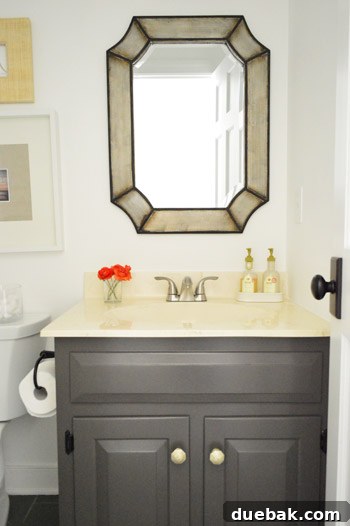
- Phase One Updates in the Downstairs Powder Room: Similar to the other “Phase One” projects, this involved painting the existing vanity, hanging a new mirror, and adding art and a thrift store light. These quick updates made the space far more appealing without major structural changes.
- DIY Closet and Organizational Updates: Projects like the toy closet and our in-progress pantry are prime examples of how time and effort can create highly functional and customized storage solutions without a large financial outlay.
- Playful Kid Room Updates: We’ve added character to our children’s rooms through creative, budget-friendly updates like Clara’s raindrop wall, a bright pink closet door, her lit canopy, and a wall of fun. These personalized touches bring joy and personality without significant expense.
Playing the Long Game: Our Renovation Philosophy
Our overall strategy for home improvement is about playing the long game. We identify areas that need permanent, high-quality solutions and invest there, while opting for affordable “Phase One” updates in rooms destined for future, more extensive renovations. This approach ensures that we don’t live for years with “frown-inducing” spaces but also avoids throwing money at temporary fixes that will eventually be torn out.
For instance, a home warranty covered our new furnace, and our upgraded roof was funded by money received at closing. These unexpected financial boosts allowed us to reallocate our budget towards other areas. This balance means that while we plan to inhabit this house for decades, we’re not splurging on everything simultaneously. We prioritize lasting quality for critical systems and frequently used spaces, reserving significant investments for when we have a clear vision and adequate funds. For example, our main bathroom is currently functional, but we envision expanding it into a larger space with a separate sink nook in a few years, once we’ve saved enough for a full, thoughtful renovation.
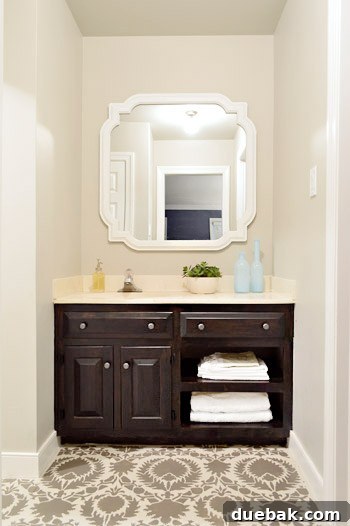
While some might advocate for a phased approach where every room gets a “Phase One” makeover followed by a “Phase Two” total overhaul, our preference is to invest time and money into permanent solutions upfront wherever feasible, especially since we intend to stay here long-term. This strategy is particularly effective for spaces where we have a clear end-vision and the budget to achieve it, such as our recently renovated sunroom or a nursery designed to accommodate a child as they grow. However, for inherently expensive areas like kitchens and bathrooms, where layouts might evolve or we’re still refining our design preferences, “Phase One” updates are invaluable. They provide immediate relief from outdated aesthetics and allow us to live with the space, gather ideas, and save for a future, more comprehensive renovation. Here’s a detailed post on how we ensure these initial changes are smart investments, not wasteful expenses.
Future Home Renovation Planning: Anticipated Splurges & Saves
As we continue to evolve our home, our minds are constantly buzzing with future projects, carefully categorized into potential splurges and saves. This forward-thinking approach allows us to budget, plan, and prioritize effectively.
Possible Future Splurges:
- New Kitchen Appliances & Gas Stove Conversion: Upgrading to more efficient, high-performance appliances, especially converting to a gas stove, is a priority for enhanced cooking experiences and energy efficiency.
- Adding a Gas Insert to the Living Room Fireplace: For ambiance and supplemental heat, a gas insert offers convenience and a luxurious touch to our living space.
- More Exterior Updates, Including Privacy Plantings: Further investments in landscaping, particularly mature privacy plantings, will continue to enhance curb appeal, property value, and outdoor living enjoyment.
- Additional Upgraded Furnishings, Light Fixtures, and Window Treatments: As we gradually furnish and style new areas, we anticipate selecting more high-quality, long-lasting pieces that align with our evolving aesthetic.
- Eventual Bathroom and Kitchen Renovations: These major overhauls will be full of thoughtful, long-term choices, customized layouts, and high-quality materials, reflecting years of planning and saving.
- Adding Cabinetry/Built-ins: Custom built-ins in spaces like our office and upstairs hallway niche will provide essential organization, personalized storage, and architectural detail.
- Converting Kitchen Windows to French Doors: This alteration will create a seamless indoor-outdoor flow to our deck, enhancing natural light and entertainment possibilities.
- Finishing the Unfinished Storage Room: Transforming this space into a bunk-room or media room for older children will add significant functional living space and property value.
Possible Future Saves:
- DIY Wall Removal: We plan to tackle the removal of non-load-bearing walls in the bathroom and kitchen ourselves, saving on professional demolition costs while reconfiguring layouts.
- Self-Installation of Major Projects Like Heated Tile: Leveraging our DIY skills for complex installations such as heated tile will provide desired amenities at a fraction of the cost.
- Creating Custom Cabinetry in Our Office and Upstairs Niche: Crafting custom solutions for storage and display will yield personalized results for less than bespoke professional services.
- DIY Landscaping Projects: We’ll continue to save by handling transplanting, mulching, garden design, and other extensive landscaping projects ourselves.
- Ongoing Cosmetic Updates: Painting the remaining trim, walls, and ceilings throughout the house will be a continuous, budget-friendly effort to maintain a fresh aesthetic.
- Energy-Efficient Updates: Installing more LED lighting, adding insulation, and other energy-saving measures will be a sustained effort, reducing utility costs over time.
- Reusing Old Kitchen Cabinets in the Garage: Repurposing our existing kitchen cabinets in the garage will provide free, robust storage and a functional workshop space.
This is by no means an exhaustive list, but it illustrates the careful balance we strive to maintain. We envision living in this house for decades, so every decision is weighed against its long-term impact. We’re committed to making affordable, smart choices that we’ll genuinely be happy with for the long haul. When it comes to items we might regret or have to repurchase, we limit these to small, low-risk investments that can be easily sold or replaced, ensuring our major investments are always well-considered.
Making Smart Decisions: Four Essential Questions to Guide Your Budget
When faced with a “splurge or save” dilemma, asking yourself these four guiding questions can provide clarity and help you make financially sound and personally satisfying choices:
#1. How Long Will You Live With It?
The longevity of an item should heavily influence your investment. For permanent fixtures like hardwood floors or high-quality tile, a substantial investment is often justified because you’ll live with it for decades. This is about value per year. Conversely, if you plan a full bathroom or kitchen renovation in a few years, it’s wise to save on interim updates, opting for inexpensive cosmetic changes like paint, wallpaper removal, and new accessories rather than sinking significant money into temporary solutions. Our sunroom, for example, was a one-and-done project where we invested in lasting quality, just like our roof and foundational hardwood floors.
#2. How Much Will It Affect My Day and How I Live?
Prioritize items that genuinely enhance your daily comfort, convenience, and overall lifestyle. If you’re an avid bath-taker, a deep soaker tub might be a worthy splurge; if not, skip it. For us, the Nest thermostats were a significant indulgence because they offer incredible energy savings and the sheer luxury of adjusting the temperature from our phones. These features are used regularly and significantly improve our daily living, making it a valuable splurge that pays for itself in both comfort and efficiency.
#3. How Much Wear Will This Take?
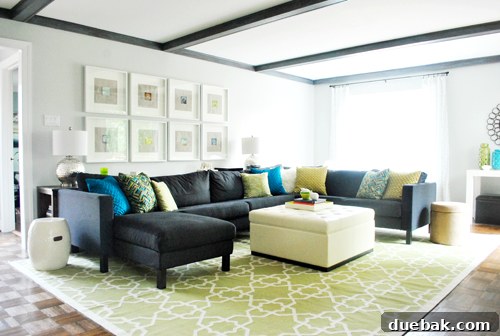
Items subjected to heavy daily use demand quality and durability. A bustling family kitchen, for instance, requires a solid, well-constructed table rather than a flimsy, cheap one. This is where investing in robust materials and craftsmanship prevents the costly cycle of buying twice. Other examples include a high-quality toilet (many rave about brands like Toto for their reliability) or a top-tier oven for daily bakers. While exceptions exist – like our beloved Karlstad sofa, which was an affordable yet durable choice thanks to extensive research and selecting a hard-wearing cover – thorough investigation is key to ensuring longevity.
#4. Does a Certain Visual Effect Rest Heavily on This Choice?
Sometimes, a room’s entire aesthetic hinges on specific elements. If your dream bedroom features luxurious, full curtain panels and chunky curtain rods, this is where you should allocate a larger portion of your budget. You can save on wall paint and inexpensive accessories like pillows, but skimping on these defining features will likely leave you perpetually dissatisfied with the overall look. Identify the focal points or “make-or-break” elements that define your desired aesthetic – be it an amazing rough-hewn coffee table or a statement light fixture – and splurge there, saving on less critical items to balance the budget.
This comprehensive breakdown of our “splurge vs. save” philosophy aims to provide a clear roadmap for your own home renovation journey. We’ve found that a thoughtful, balanced approach allows for both significant investments in quality and clever savings through DIY and smart shopping. What patterns have you noticed in your own renovation decisions? Have you successfully balanced splurging on one key item while finding an incredible deal on another? Sharing these insights helps us all learn and create homes we truly love, on a budget that works for us.