
Mastering the Art of Mixing Metal Finishes for a Chic and Cohesive Home
One of the most frequently asked questions in the world of interior design revolves around the strategic use of metal finishes: Is it okay to mix different metals in the same room? Our resounding answer is an enthusiastic yes! The notion that every metallic element in a room must match perfectly is an outdated design principle. In fact, embracing a thoughtful blend of metal finishes is a powerful way to infuse your home with sophistication, depth, and a bespoke sense of style that feels effortlessly curated rather than overly coordinated.
While the idea of mixing metals might initially seem daunting, leading to concerns about a “clashy” or “mismatched” outcome, the truth is quite the opposite. When executed with intention, layering various metal tones can create a dynamic and elegant aesthetic. The secret lies not in avoiding variety, but in making your choices look deliberate and integrated into the overall design scheme, rather than appearing accidental or haphazard.
Why Mixed Metal Finishes Are a Design Game-Changer
Moving beyond the “matchy-matchy” aesthetic offers a multitude of benefits for your home’s interior:
- Adds Depth and Visual Interest: Different metals possess unique lusters and textures that interact with light in diverse ways. Mixing them introduces a captivating visual rhythm and prevents a flat or one-dimensional look.
- Cultivates a Layered and Collected Feel: A blend of metals makes a space feel more lived-in and evolved over time, as if each piece was thoughtfully acquired. This creates a more authentic and inviting atmosphere.
- Reflects Personal Style and Personality: Your home should tell your story. Mixing metals allows for greater creative freedom, enabling you to incorporate pieces you truly love without being constrained by a rigid, single-tone palette.
- Achieves a Modern and Sophisticated Aesthetic: Contemporary and transitional design often celebrates the interplay of varied materials. Mixed metals are a hallmark of chic, up-to-date interiors.
- Bridges Design Eras and Styles: This technique can seamlessly connect vintage or antique elements with modern pieces, creating a timeless and eclectic harmony that transcends a single decorative period.
The Art of Intentional Mixing: Principles for Harmonious Metal Blending
The key to mastering mixed metals lies in thoughtful curation and strategic placement. It’s about creating a cohesive look where different elements complement each other rather than competing. Here are the fundamental principles to guide your design choices:
1. Embrace the “Rule of Three” (or Two Dominant, One Accent)
A common guideline, though not a strict rule, is to aim for two to three distinct metal finishes within a room. Using just one can sometimes feel monotonous, while introducing too many can quickly lead to visual clutter. A balanced approach often involves selecting one primary metal finish to anchor the space (accounting for approximately 60-70% of your metal elements), a secondary finish to provide contrast or complement (around 20-30%), and a third accent metal for an unexpected pop of texture or shine (about 5-10%). This ensures variety without overwhelming the eye, creating a balanced and deliberate composition.
2. Repetition is Paramount: Echoing Finishes Throughout the Room
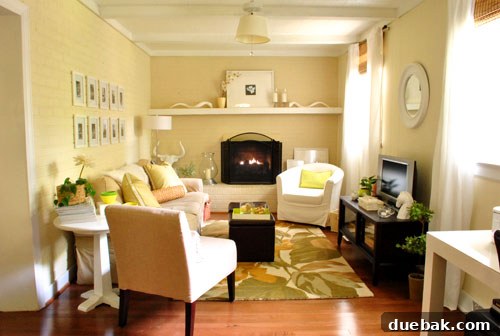
This is arguably the most critical tip for making mixed metals look intentional. To avoid any single metal finish feeling out of place, you must repeat each chosen metal at least once, preferably twice, throughout the room. Think of it as creating visual connections that tie different parts of the space together. For instance, in a former den project, we combined a sleek chrome-based floor lamp with the richer tones of oil-rubbed bronze curtain rods. The success came from echoing both finishes elsewhere: the deep, dark tones of the fireplace screen picked up on the bronze, while various tabletop accessories and even the silver frame of the television reiterated the chrome. This deliberate repetition signals to the eye that these choices are harmonious, ensuring that no single metal appears to be a “sore thumb.” When you have a balanced number of, say, oil-rubbed bronze elements sharing the space with brushed nickel accents, they all belong to a cohesive narrative.
3. Achieve Balance Through Thoughtful Distribution
Beyond simply repeating metals, consider their strategic distribution. Avoid clumping all of one finish in a single area. Instead, spread your chosen metals around the room in a balanced manner. If you feature a striking brass chandelier in one part of the room, introduce smaller brass accents, such as a picture frame, a decorative tray, or hardware on a piece of furniture, on the opposite side. This thoughtful scattering of metals ensures visual harmony and encourages the eye to move fluidly across the entire space.
4. Understand Undertones: Warm, Cool, and Neutral Metals
Categorizing metals by their inherent undertones – warm, cool, or neutral – can greatly assist your mixing decisions:
- Warm Tones: Metals like brass (in its polished, brushed, or antique forms), gold, copper, and oil-rubbed bronze exude warmth and can make a space feel rich and inviting.
- Cool Tones: Chrome, polished nickel, brushed nickel, and stainless steel offer a crisp, clean, and often more contemporary feel.
- Neutral/Versatile Tones: Matte black and wrought iron are excellent grounding elements. They can act as bridges between warm and cool metals, or simply add a bold, graphic touch.
You can create sophisticated palettes by mixing warm with warm (e.g., antique brass with oil-rubbed bronze), cool with cool (e.g., chrome with brushed nickel), or, for a more dynamic and popular approach, blending warm and cool tones. The classic pairing of warm brass with cool brushed nickel, for instance, is a timeless favorite in modern kitchens and bathrooms, offering both traditional elegance and a contemporary edge.
5. Varying Sheen and Texture for Added Interest
When selecting metals, don’t just focus on their color. Consider the finish and texture as well. Mixing highly polished metals with matte, brushed, or hammered finishes adds another compelling layer of visual interest to your design. A gleaming polished chrome faucet, for example, can beautifully contrast with brushed nickel cabinet pulls and a textured wrought iron light fixture. This variation ensures that even if you’re working with similar metal tones, they maintain distinct personalities and prevent the space from feeling monotonous.
Popular & Harmonious Metal Combinations to Inspire Your Design
For those looking for a starting point, these tried-and-true combinations consistently deliver stylish and cohesive results:
- Brass + Matte Black + Brushed Nickel: A sophisticated and highly popular trio, particularly effective in kitchens and bathrooms. Brass injects warmth and a touch of luxury, matte black provides a contemporary edge and strong contrast, while brushed nickel offers a versatile, understated cool tone that ties it all together.
- Oil-Rubbed Bronze + Gold/Brass + Chrome/Polished Nickel: This combination often leans towards a transitional or traditional aesthetic. The oil-rubbed bronze contributes a rustic, antiqued character, gold or brass introduces classic elegance, and a polished cool metal adds a timeless, crisp sparkle.
- Stainless Steel + Copper + Black Matte: An excellent choice for industrial, modern farmhouse, or eclectic spaces. Stainless steel provides a clean, functional base; copper introduces unique warmth and a living finish that patinas beautifully; and matte black grounds the entire look with a contemporary anchor.
- Chrome + Wrought Iron + Antique Brass: A fantastic mix for industrial-chic or bohemian-inspired spaces. Chrome offers a sleek and modern touch, wrought iron adds a robust, often rustic or traditional feel, and antique brass injects vintage charm and a sense of history.
Mixing Metals Room by Room: Practical Application Strategies
The Kitchen: A Canvas for Metal Blending
The kitchen, with its array of appliances, fixtures, and hardware, is an ideal space to experiment with mixed metals. Imagine a kitchen anchored by sleek stainless steel appliances (your primary metal). You could then introduce a brushed nickel faucet and sink, alongside elegant brass cabinet hardware or pendant lights over an island. Subtle matte black accents, perhaps in shelving brackets or bar stool frames, can serve as a sophisticated third metal or a grounding neutral. The key in a kitchen is to distribute these metals thoughtfully across various elements—from large appliances to smaller cabinet pulls, lighting, and even decorative canisters or fruit bowls—to create a unified yet varied aesthetic.
The Living Room: Creating Sophisticated Layers
In the living room, metals can be introduced through an array of elements. Consider a striking gold or antique brass chandelier as a focal point, complemented by oil-rubbed bronze curtain rods that add warmth and traditional flair. Furniture legs on a coffee table or end tables might feature a modern chrome or brushed steel, while decorative objects like silver trays, brass sculptures, or black iron planters further enhance the layered look. As demonstrated in the inspiring example of a home we previously explored, combining prominent stainless elements with a unique hammered gold lantern and other complementary accessories effectively crafted an intentional and richly layered environment, proving that thoughtful placement prevents any sense of mismatch.
The Bedroom: A Sanctuary of Subtle Shine
Bedrooms can greatly benefit from the soft glow and varied textures of mixed metals, contributing to a cozy yet sophisticated sanctuary. Envision a classic wrought iron bed frame, paired with contemporary brushed nickel table lamps on nightstands, and elegant brass drawer pulls on a dresser or armoire. Small metallic details on picture frames, decorative mirrors, or curated accessories can subtly amplify the layered aesthetic without overpowering the room’s serene and relaxing atmosphere.
The Bathroom: Proceed with Thoughtful Caution
While the philosophy of mixing metals generally holds true throughout the home, smaller, more “concentrated” spaces like a compact powder room or a modestly sized bathroom often warrant a more cautious approach. In these intimate settings, where fixtures such as a faucet, showerhead, and light fixture are often just a few feet apart, different metal tones can sometimes appear less layered and more starkly mismatched. Here, consistency might be the more harmonious path. Opting for a single metal choice for all major fixtures—such as modern chrome for every tap, shower system, and light, or consistently antique bronze for all hardware—can create a more cohesive and elegant result. The aim is to avoid giving the impression of an “I-updated-half-the-fixtures-but-left-the-rest-so-they-don’t-match” effect, ensuring the space feels deliberately designed and beautifully unified.
Your Favorite Finishes: A Community Conversation!
The vast world of metal finishes offers an incredible spectrum of choices, each with its own distinct character. From the deep, inviting richness of oil-rubbed bronze and the timeless elegance of antique brass, to the sleek modernity of polished chrome and the understated versatility of brushed nickel, there’s a finish to suit every taste and style. We often find ourselves in a delightful dilemma, torn between the effortless maintenance and fingerprint-free allure of brushed nickel and the quiet, classic sophistication that a simple oil-rubbed bronze curtain rod can bring to a room. Each offers unique benefits and aesthetic appeal!
We’re always eager to connect with fellow design enthusiasts and homeowners. What are your absolute favorite metal finishes, and how do you ingeniously incorporate them into your home decor? Whether you’re drawn to the industrial charm of wrought iron, the luxurious gleam of polished gold, or the rustic warmth of copper, we’d love to hear what truly captivates you in the hardware and decor department. Share your insights, successful pairings, and even your trickiest metal-mixing dilemmas – we’re all ears and excited to learn from your experiences!
Psst – If you’re curious about the “rules” (or lack thereof) for mixing and matching furniture, we’ve explored that topic in another insightful post that you might find equally inspiring!