
Refreshing Your Space: Design Trends That Have Run Their Course
The world of interior design is a dynamic canvas, constantly evolving with new ideas, aesthetics, and inspirations. What was once cutting-edge can, in a relatively short time, become commonplace, and eventually, overdone. It’s a natural cycle, and understanding when a trend has peaked allows us to curate spaces that feel fresh, timeless, and genuinely reflective of our personal style, rather than merely echoing a passing fad. This isn’t about shaming anyone’s home decor choices, but rather about acknowledging the natural progression of design and encouraging thoughtful evolution in our living environments.
As enthusiasts of beautiful and functional interiors, we often embrace new trends with open arms, eager to infuse our homes with contemporary flair. However, some trends, despite their initial charm and widespread appeal, can reach a point of saturation. They become so ubiquitous that they lose their unique appeal, making our homes feel less like a personal sanctuary and more like a showroom echoing last season’s catalogue. It’s time to gently usher a few beloved, but now exhausted, design staples towards a well-deserved retirement, making room for innovative and enduring styles.
Join us as we respectfully identify four popular design trends that, while once delightful, have perhaps overstayed their welcome. Our aim is to inspire you to look beyond the transient and embrace elements that contribute to a more sophisticated, personal, and lasting aesthetic in your home.
1. The Overpowering Presence of Chevron
Chevron, with its distinctive V-shaped pattern, burst onto the design scene with undeniable energy and graphic appeal. Initially, it offered a bold and modern statement, instantly adding visual interest and a sense of playful sophistication to many interiors. It quickly became a go-to pattern for everything from textiles and wallpaper to stationery and accessories, infusing spaces with a vibrant, dynamic rhythm.
While the pattern itself possesses an inherent beauty, particularly when executed with restraint and in quality materials, its widespread adoption led to an unfortunate overexposure. The market became flooded with chevron, often in high-contrast colors and on every conceivable surface. What began as a chic accent morphed into an overwhelming motif, making spaces feel busy and dated rather than stylish and contemporary. When seen on large feature walls, extensive fabric applications, or a multitude of small decorative items simultaneously, chevron’s impact became less about sophisticated geometry and more about visual noise.
It’s important to differentiate between the classic application of a chevron pattern – think elegant hardwood floors laid in a herringbone or chevron pattern, or a subtle tile backsplash in muted tones – and its trend-driven proliferation. When used thoughtfully in traditional materials, chevron offers a timeless appeal that speaks to craftsmanship and architectural detail. However, the graphic, high-contrast iterations that adorned countless throw pillows, rugs, and art prints are now signaling a time capsule of a particular era.
Moving Forward: Embracing Modern Geometry and Texture
Instead of the ubiquitous chevron, consider embracing other geometric patterns that offer a fresh perspective. Think subtle abstract forms, organic lines, or even classic stripes and plaids reimagined in contemporary color palettes. Introduce texture through natural materials like woven fabrics, rattan, or refined wood elements to add depth without relying on an overly dominant pattern. If you love the dynamic visual of chevron, explore its more sophisticated cousins like herringbone, or use it sparingly as a nuanced detail in a single, high-quality piece rather than a pervasive theme.
via
2. The Ubiquity of Chalkboard Walls
Chalkboard walls undeniably brought a playful, interactive, and often rustic-chic element into homes and commercial spaces alike. The allure was strong: a blank canvas for spontaneous creativity, grocery lists, inspirational quotes, or even a dynamic menu in a cafe setting. It promised a charming blend of utility and personalized decor, allowing for endless customization and a touch of whimsy. In specific contexts, such as a child’s playroom, a small corner in a kitchen for quick notes, or a bustling cafe’s daily specials board, chalkboard paint truly shines, offering functionality and a unique aesthetic.
However, like many trends, chalkboard walls eventually ventured beyond their ideal applications, leading to widespread overuse. The initial charm began to fade as entire walls in living rooms, dining rooms, and even bedrooms were coated in matte black. The idealized images seen on Pinterest and in glossy magazines often depicted pristine, artfully lettered chalkboards, presenting an aspiration that was difficult to maintain in real life. The reality for many homeowners was a perpetually smudged, dusty surface that rarely achieved that polished, curated look. Chalk dust, a notorious allergen and mess-maker, seemed to migrate everywhere, settling on furniture, floors, and even circulating in the air, creating a constant cleaning challenge.
Beyond the practical inconveniences, a large chalkboard wall can visually dominate a room, making it feel darker and less inviting. What started as an innovative way to add character transformed into a heavy, often cluttered, visual element that could diminish the overall sophistication of a space. The novelty wore off, revealing the inherent limitations of this trend in a residential setting.
Moving Forward: Interactive & Dynamic Alternatives
If you crave interactive surfaces or a space for creative expression, there are more refined and cleaner alternatives. Consider investing in a high-quality, framed magnetic whiteboard or a large glass dry-erase board that offers a sleek, modern aesthetic without the dust. Magnetic paint can transform a wall into a functional display area for photos, art, and notes without altering its color or texture. Alternatively, create a curated gallery wall with rotating art pieces or framed memos for a sophisticated and ever-evolving display. For a touch of rustic charm without the mess, consider a beautiful cork board or a large piece of framed burlap for pinning notes and photos. These options offer the functionality and visual interest without the persistent maintenance challenges of a full chalkboard wall.
via
Via
3. The Pervasiveness of Burlap Decor
Burlap, with its rustic texture and humble origins, captured the hearts of DIY enthusiasts and farmhouse-style devotees alike. Its undeniable appeal stemmed from its affordability, versatility, and ability to lend an organic, earthy feel to any setting. From wedding decor and holiday crafts to everyday home accents, burlap became a ubiquitous material, celebrated for its raw, natural charm. It offered an easy way to achieve a relaxed, unpretentious aesthetic, making it particularly popular in decor that leaned towards shabby chic or country-inspired themes. The ability to craft everything from wreaths and table runners to curtains and upholstered items made it a go-to for budget-conscious decorators seeking a touch of homespun warmth.
However, the very qualities that made burlap so appealing also contributed to its eventual oversaturation. Its widespread use, often in conjunction with other rustic elements, led to a predictable and somewhat monotonous aesthetic. What once felt charming and authentic began to feel generic and, in many cases, rather coarse. Beyond its visual fatigue, burlap is not the most comfortable material. Its rough texture, tendency to shed fibers, and lack of durability for everyday use made it less suitable for items like upholstery or everyday textiles where comfort and longevity are paramount. When used extensively, burlap can make a space feel transient, like temporary party decor, rather than a well-appointed, enduring home.
Unless you are intentionally aiming for a very specific themed room (like a dedicated craft space or a truly rustic cabin) or seasonal decor where its ephemeral quality is an asset, burlap has largely run its course as a primary decorating material. The endless burlap wreaths, table runners, and DIY projects that dominated craft blogs and home stores for years have become visual shorthand for a past trend, detracting from a truly timeless and comfortable interior design.
Moving Forward: Refined Natural Textures & Sustainable Choices
For those who appreciate the organic texture and natural feel that burlap once provided, there are numerous sophisticated alternatives. Consider materials like linen, which offers a similar relaxed aesthetic but with superior softness, drape, and durability. Jute and sisal provide beautiful natural textures for rugs and baskets, adding an earthy element without the roughness of burlap. Hemp fabrics are another excellent sustainable choice, offering strength and a beautiful natural texture. Explore woven cottons, light wools, or even textured wallpapers that mimic natural fibers. These materials provide the desired warmth and natural appeal while elevating the comfort and sophistication of your space, moving beyond the temporary feel of overused burlap into an realm of enduring style and quality.
Via
via
Via
4. The Diminished Appeal of Faux Taxidermy
Faux taxidermy, particularly the resin or ceramic animal heads and horns, emerged as a whimsical and often ironic decor choice. It offered a cruelty-free alternative to traditional taxidermy, allowing homeowners to embrace a rustic, lodge, or even quirky aesthetic without ethical concerns. These playful pieces quickly became popular, adding a unique focal point and a touch of unexpected charm to walls. From minimalist deer heads in stark white to colorful, geometrically faceted animal busts, faux taxidermy offered a diverse range of styles that could fit into various interior themes, from modern farmhouse to eclectic urban spaces. Its novelty and approachable price point made it an accessible way to make a statement.
However, what began as a fresh and innovative trend rapidly branched out into overly kitschy and predictable territory. The market became saturated with mass-produced versions, often lacking the original artistic flair or unique personality. Every other home seemed to feature a white resin deer head, or a pastel-colored faux rhinoceros, diminishing its initial charm and making it feel less special and more like a decorative cliché. The ubiquity of these items stripped them of their unique impact, transforming them from conversation starters into generic wall fillers. The element of surprise and individuality that made faux taxidermy so appealing in its early stages was lost to overproduction and predictable application.
As with any trend that reaches peak saturation, faux taxidermy has overstayed its welcome. Its once quirky appeal now often reads as dated and, in many contexts, cheap. The goal of adding character was often subverted by the sheer volume of identical pieces, making unique spaces feel less distinctive.
Moving Forward: Unique Sculptural Elements & Personal Narratives
If you love the idea of bringing sculptural interest or a touch of nature-inspired art to your walls, consider more unique and thoughtful alternatives. Explore original art pieces, abstract sculptures, or carefully curated natural objects that tell a personal story. Look for hand-crafted ceramic pieces, unique metalwork, or mixed-media art that offers a one-of-a-kind statement. Instead of generic animal busts, perhaps a beautifully framed botanical print, a collection of intriguing masks, or a piece of abstract wall art with organic forms could serve a similar purpose while offering significantly more artistic merit and timeless appeal. The key is to seek out pieces that resonate with your individual taste and contribute to a unique narrative within your home, rather than defaulting to widely replicated trend items.
via
Via
Via
Embracing Timelessness in Design
As we navigate the ever-changing landscape of interior design, it’s crucial to remember that trends are merely suggestions, not mandates. The most beautiful and enduring homes are those that reflect the personalities, stories, and aspirations of their inhabitants, rather than rigidly adhering to passing fads. By thoughtfully reconsidering trends that have run their course, we open up exciting possibilities for personal expression, creating spaces that feel authentically ours and will stand the test of time.
What design trends are you ready to say goodbye to, and what fresh, innovative ideas are you excited to welcome into your home?
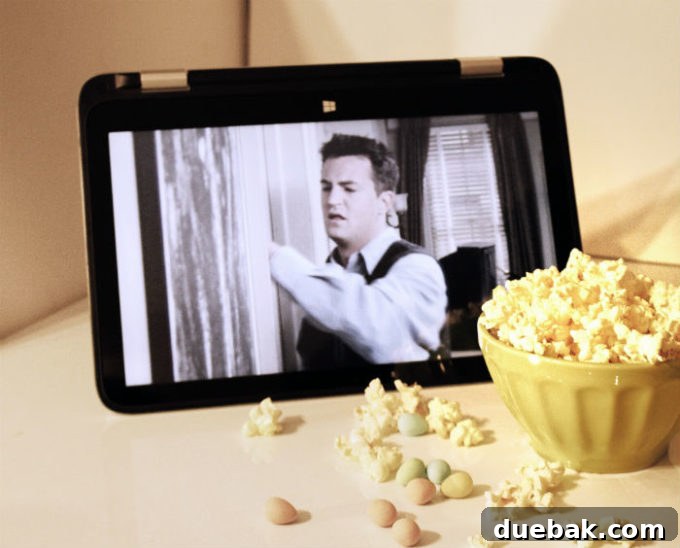
Speaking of adapting and evolving, just like design aesthetics, technology also continuously innovates to meet our changing needs. This exploration of design trends was created in partnership with @HP and inspired by the remarkable versatility of the HP x360. The HP x360 seamlessly adapts to your workflow, effortlessly switching between four distinct modes: laptop, tablet, tent, and stand.
The standard tablet view for on-the-go productivity or casual browsing.
Tent mode – perfectly positioned for an immersive movie night in bed or for following a recipe hands-free in the kitchen.
Tablet mode – a quick flip disables the keyboard, transforming it into a fully functional tablet, ideal for games, apps, and touch-optimized experiences.
You might have even spotted the HP x360 in action; it was prominently featured in Meghan Trainor’s music video for “Lips Are Movin,” reflecting its modern appeal. Meghan Trainor, in collaboration with HP, is currently on her “That Bass” tour. You can follow along and join the conversation on social media using the hashtag #bendtherules.