
The Unseen Battle: Navigating the Endless Tide of Website Spam Comments
In the vast, interconnected world of the internet, genuine engagement is a precious commodity. Bloggers and website owners strive to create spaces where ideas are shared, discussions flourish, and communities grow. Yet, this digital utopia is constantly under siege by an invisible, relentless adversary: spam comments. Every day, countless platforms face an onslaught of unsolicited messages, ranging from the utterly absurd to the dangerously deceptive.
For instance, on a typical day, we might receive dozens of these digital intrusions. They promise everything from scandalous celebrity pictures – often featuring figures like Lady GaGa – to enticing offers of free payday loans. Thankfully, the vast majority of these nefarious attempts are swiftly intercepted by robust spam filters, vanishing into the digital abyss before they ever reach the eyes of our readers. But occasionally, one slips through, or rather, one is so uniquely bizarre that it catches the moderator’s eye, eliciting a reaction far removed from frustration.
One such gem, left on our popular Pulling Out The Rug post by a mysterious entity identifying themselves as “Lexus Dealer,” was a prime example of spam reaching peak hilarity. It was a moment that transcended the usual annoyance, prompting a chuckle rather than a sigh. As far as the generally mundane and irritating world of spam comments goes, this particular one definitely offered more entertainment value than most, standing out in its sheer, inexplicable randomness. It was a stark reminder that even in the most repetitive and unwelcome corners of the internet, a touch of oddity can still spark amusement.
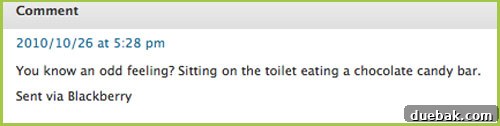
No further explanation necessary for that specific instance. However, the phenomenon of spam comments warrants a much deeper dive into its nature, motives, and the pervasive impact it has on the digital landscape.
What Exactly Are Spam Comments? More Than Just Nuisances
At its core, a spam comment is an unsolicited, irrelevant, or malicious message posted on a website’s comment section, forum, or guestbook. Unlike genuine comments, which aim to contribute to the discussion, ask questions, or provide constructive feedback, spam comments serve ulterior motives. These motives typically involve promoting external websites, products, or services; attempting to manipulate search engine rankings; or even spreading malware and engaging in phishing scams. They are the digital equivalent of junk mail, but with potentially far greater consequences than a cluttered physical mailbox.
They often appear to be human-generated at first glance, using generic compliments or seemingly innocent questions, but their true purpose is almost always revealed by an out-of-place link or keyword-stuffed phrase. The sheer volume of these comments can overwhelm website administrators, making the task of sifting through them a time-consuming and tedious chore.
The Many Guises of Digital Debris: Types of Spam Comments
Spammers employ a variety of tactics, leading to diverse types of spam comments, each with its own specific agenda:
- Link Spam: This is perhaps the most common form. Spammers aim to insert links back to their own websites, hoping to gain “link juice” for SEO purposes or drive traffic. The anchor text for these links is often irrelevant to the content of the post, or worse, keyword-stuffed with terms like “buy cheap medicine” or “online casinos.”
- Phishing and Scam Spam: These comments attempt to trick users into revealing personal information, such as passwords or credit card details, or to lure them into fraudulent schemes. The promises of “free money” or “too-good-to-be-true” offers, like the aforementioned payday loans, fall into this category. Similarly, offers of “naked pictures of Lady GaGa” are often fronts for phishing sites or malware downloads.
- Malware and Virus Spam: Some comments contain links that, when clicked, automatically download malicious software onto the user’s device. These are particularly dangerous and highlight the critical importance of robust anti-virus software and cautious browsing habits.
- Bot-Generated Nonsense: Many spam comments are not crafted by humans but by automated bots. These often feature grammatically incorrect sentences, nonsensical phrases, or random strings of keywords designed to bypass basic filters. The “Lexus Dealer” comment, while strangely specific, had an underlying whiff of this automated randomness.
- Flattery Spam: These comments start with generic praise (“Great post!” or “Very informative!”), attempting to sound genuine, but inevitably conclude with an irrelevant link or a request to “check out my website.”
- Trackback/Pingback Spam: While technically not comments, these are automated notifications that a website has linked to your content. Spammers abuse this feature to create fake trackbacks, pointing back to their own irrelevant or malicious sites.
Why Do Spammers Do It? The Motives Behind the Madness
Understanding the “why” behind spam comments is crucial for developing effective countermeasures. The motivations are almost always rooted in illicit gains or malicious intent:
- SEO Manipulation: The primary driver for many spammers is to improve their website’s search engine ranking. Search engines traditionally used backlinks as a signal of authority and relevance. While modern algorithms are much more sophisticated, some spammers still hope that a high volume of backlinks, even from irrelevant sources, will somehow boost their site’s visibility.
- Traffic Generation: By posting links on popular websites, spammers hope to siphon off traffic from those sites to their own. This is often linked to affiliate marketing scams, where they earn a commission for every click or sign-up.
- Phishing and Data Harvesting: Malicious spammers use comments to direct users to fake login pages or surveys designed to steal personal information, which can then be used for identity theft or sold on the dark web.
- Malware Distribution: Distributing viruses, ransomware, or other malicious software through deceptive links is a lucrative, albeit illegal, endeavor for cybercriminals.
- Brand Promotion (Illegitimate): Some desperate or unethical businesses resort to spamming to promote their products or services, hoping to gain exposure without investing in legitimate marketing channels.
- Vandalism and Disruption: A smaller percentage of spammers simply aim to disrupt website functionality, deface content, or cause general annoyance out of sheer maliciousness.
The Toll on Digital Landscapes: Impact of Spam on Websites and Users
The constant barrage of spam comments inflicts significant damage on both website owners and their genuine audience:
For Website Owners:
- Time and Resource Drain: Manual moderation of comments is incredibly time-consuming. Even with filters, reviewing flagged comments and deleting those that slip through diverts valuable resources from content creation and site development.
- Degradation of User Experience: A comment section filled with spam makes a website appear unprofessional and untrustworthy. It deters genuine users from engaging, as their comments might get lost in the noise or they might simply be put off by the clutter.
- SEO Harm (if unmanaged): While modern search engines are good at identifying and ignoring spam links, a website that appears to condone spam (by not moderating it) could potentially suffer a negative impact on its search rankings. Google, for instance, values clean, high-quality content and user experience.
- Loss of Credibility and Trust: If visitors frequently encounter spam, phishing attempts, or offensive content in the comments, they will lose trust in the website, perceiving it as poorly maintained or even unsafe.
For Users:
- Annoyance and Frustration: Sifting through irrelevant messages to find genuine discussion is frustrating and detracts from the overall browsing experience.
- Security Risks: The biggest threat to users comes from phishing links, malware downloads, and scam attempts embedded within spam comments. Unwittingly clicking on such links can lead to identity theft, financial loss, or compromised devices.
- Difficulty in Engagement: When comment sections are overrun by spam, it becomes difficult for users to participate in meaningful discussions, discouraging community building.
The Digital Gatekeepers: How Spam Filters Work Their Magic
Thankfully, a sophisticated arsenal of tools and techniques exists to combat spam. Spam filters act as the digital gatekeepers, analyzing incoming comments and preventing most unsolicited messages from reaching the public eye. These filters employ various strategies:
- Keyword Blacklists: Filters are programmed to identify and block comments containing common spam keywords or phrases (e.g., “Viagra,” “casino,” “free money”).
- IP Address Blacklists: If a specific IP address is identified as a source of high-volume spam, it can be blacklisted, preventing any further comments from that source.
- Link Analysis: Filters examine the number and nature of links within a comment. Comments with multiple links or links to suspicious domains are often flagged.
- Honeypots: These are invisible fields in comment forms that are only filled in by bots. If a bot fills a honeypot field, the comment is automatically flagged as spam.
- CAPTCHA/reCAPTCHA: These “Completely Automated Public Turing test to tell Computers and Humans Apart” challenges require users to solve a puzzle, identify images, or simply click a box, proving they are human before a comment can be posted.
- Machine Learning and AI: Advanced spam filters leverage artificial intelligence to learn from past spam patterns, constantly adapting to new tactics used by spammers. They can analyze context, sentiment, and structural anomalies to differentiate between genuine and spam comments with remarkable accuracy.
Fortifying Your Digital Frontier: Essential Strategies to Combat Spam
For website owners, proactive measures are paramount in maintaining a clean and secure comment section. Here’s how to fortify your digital frontier:
- Enable Comment Moderation: This is a non-negotiable step. All comments should require manual approval before they appear publicly. While time-consuming, it’s the most effective way to ensure no spam slips through.
- Implement Robust Anti-Spam Plugins/Tools: Utilize dedicated anti-spam solutions. Many content management systems (CMS) offer integrated or easily installable plugins that automatically detect and filter spam using the methods described above.
- Utilize CAPTCHAs or reCAPTCHAs: While they can add a minor hurdle for legitimate users, CAPTCHAs are highly effective at preventing bot-generated spam. Modern reCAPTCHA versions are often less intrusive, working silently in the background.
- Blacklist Keywords and URLs: Manually add commonly encountered spam keywords and known spammer URLs to your site’s blacklist. This prevents future comments containing those elements from being posted.
- Limit Links in Comments: Configure your comment settings to limit the number of links a user can include or automatically make all links “nofollow” to prevent spammers from gaining SEO value.
- Regularly Update Your Software: Keep your CMS, themes, and plugins updated. Security patches often address vulnerabilities that spammers might exploit.
- Educate Your Audience: Encourage your readers to report any suspicious comments they encounter, fostering a community effort in maintaining a clean environment.
- Disable Comments on Old Posts: For evergreen content, comments might be valuable, but for very old posts, disabling comments can reduce the surface area for spammers without losing much legitimate engagement.
Beyond the Annoyance: The Unintentional Humor of Spam
While spam is overwhelmingly a nuisance, there’s an undeniable, albeit rare, vein of humor that runs through some of its manifestations. The “Lexus Dealer” comment is a perfect illustration. It’s the sheer incongruity, the bizarre specificity in an otherwise generic attempt to gain attention, that makes it memorable and, dare we say, endearing in its absurdity. These moments are fleeting, often accidental, and certainly not an excuse for the prevalence of spam, but they do offer a momentary respite from the endless digital battle.
It’s a testament to the human spirit’s ability to find light even in the darkest (or spammiest) corners. We laugh at the “Lexus Dealer” not because it’s clever, but because it’s so remarkably out of place, a digital non-sequitur that briefly breaks the monotony of the internet’s noise.
The Evolving Threat: Staying Ahead of the Curve
The war against spam is a continuous one. As anti-spam technologies become more sophisticated, so do the methods employed by spammers. They constantly adapt, finding new loopholes and developing more elaborate disguises for their insidious messages. This means that website owners and platform developers must remain vigilant, continuously updating their defenses and staying informed about the latest spamming trends.
The future will likely see even more advanced AI-driven spam, making detection increasingly challenging. However, the future will also bring more intelligent anti-spam solutions, locked in an endless, evolving digital arms race.
In conclusion, spam comments are an inescapable reality of our interconnected digital lives. They represent a persistent threat to online communities, user security, and the integrity of website content. While the daily battle against this digital debris can be frustrating, the occasional, strangely amusing comment offers a brief, humorous interlude. By understanding the nature of spam, its motives, and implementing robust defensive strategies, website owners can effectively manage this challenge, ensuring their platforms remain welcoming, secure, and conducive to genuine human interaction, far removed from the digital noise and mischief.