
Mastering Tile Design: Affordable Strategies for High-Impact Spaces
Embarking on a new home construction or a significant renovation project often brings a mix of excitement and challenge. Among the myriad choices homeowners face, selecting the right tiles consistently proves to be one of the most daunting tasks. From the practicalities of mudroom and laundry room floors to the aesthetic demands of kitchen backsplashes, elegant fireplace surrounds, and multiple bathrooms, the sheer volume of tile required is immense. This extensive need for tiling not only complicates the design process but also quickly inflates budgets, creating a noticeable gap between what is truly affordable and what genuinely captivates.
The quest for beautiful, durable, and cost-effective tile solutions can feel overwhelming. Homeowners often grapple with balancing their desired aesthetic with financial realities, leading to difficult compromises. However, with strategic planning and clever design techniques, it is entirely possible to achieve stunning, high-impact tile designs that elevate your home’s appeal without draining your savings. Through years of helping clients navigate these decisions, I’ve gathered invaluable insights and practical tricks to create captivating tile installations that look far more expensive than they are. This guide will share those secrets, empowering you to make smart choices and transform your spaces beautifully and affordably.
The image above exemplifies what we aim to avoid: a uniform, uninspired tile choice that, while functional, lacks character and visual appeal. Such monotonous selections, often dominated by a single, dull color, can make an otherwise beautiful space feel flat and uninviting. Our goal is to infuse personality and elegance into every tiled area, ensuring your home reflects modern aesthetics and your unique style, steering clear of any design that feels just plain boring.
Splurge On Small, High-Impact Areas
One of the most effective strategies for achieving a luxurious look on a budget is to strategically allocate your tile spending. Instead of outfitting every square foot with expensive tiles, choose a simple, more affordable tile for large areas like floors and then introduce a touch of opulence in smaller, highly visible spaces. This approach allows you to create dazzling focal points that command attention without requiring a massive investment in premium materials across an entire room.
Consider a stunning mosaic, handcrafted ceramic, or natural stone tile for areas such as a kitchen backsplash, a fireplace surround, or an accent wall in a shower niche. These small bursts of high-end design elevate the entire aesthetic of the room, drawing the eye and making a profound statement. For those who typically shy away from bold accent pieces or borders, this method provides a sophisticated way to introduce character and vibrancy. Imagine transforming a functional kitchen with an exquisite backsplash that becomes the room’s artistic centerpiece, or turning a drab fireplace into a captivating feature with unique tilework. The impact is immediate and significant. The trick is to identify where you want your focus to be – where guests’ eyes will naturally land – and invest your tile budget there, letting more modest tiles play a supporting role elsewhere. A beautifully tiled wall in a powder room or a vibrant floor pattern in an entryway can serve the same purpose, adding unexpected delight and a touch of luxury.
I might want to cook a bit more if I had this gorgeous tile to look at.
I wish every bathroom had a fun tile floor like this. I would personally scrub this on my hands and knees and still smile.
The beauty of this strategy lies in its cost-efficiency. A small quantity of premium tile can dramatically elevate the perceived value and design sophistication of a space. For example, a uniquely patterned tile on a bathroom floor, even if the walls feature more basic ceramic, instantly injects personality and charm. It’s about creating moments of unexpected beauty that leave a lasting impression, proving that thoughtful design doesn’t always necessitate a large expenditure.
Add An Insert: The Power of Strategic Accents
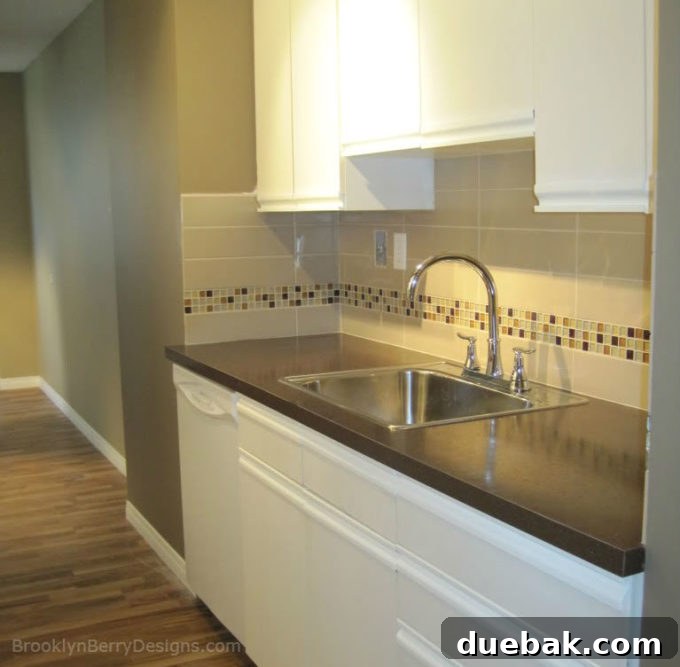
Another ingenious way to introduce visual interest and elevate your tile design while keeping costs in check is by incorporating tile inserts or decorative strips. This method allows you to infuse a touch of sparkle, texture, or pattern into larger, more economical tile installations. By using a narrow strip of mosaic or decorative tile – often just 3 or 4 inches wide – you can achieve a high-end look without needing to purchase a large quantity of expensive material. This is incredibly budget-friendly because a single square foot of mosaic tile can yield several linear feet of insert, maximizing its impact.
Imagine a kitchen backsplash where a field of simple, inexpensive subway tile is punctuated by a dazzling glass mosaic strip running horizontally or vertically. This creates an immediate focal point, adding a layer of sophistication and a custom feel. In a 70s apartment remodel, for instance, an inexpensive main tile was transformed with just a small strip of glass mosaic. Because of the kitchen’s limited size, only four square feet of the accent tile were needed, perfectly aligning with the budget for a modest two-bedroom apartment. This demonstrates how a small investment can yield significant design returns.
Beyond kitchen backsplashes, inserts can be masterfully utilized in bathrooms. A wall niche, lined with a contrasting mosaic, becomes a luxurious design element for storing toiletries. A tile border circling a shower enclosure or outlining a bathtub adds depth and visual appeal. Even a subtle, unique-shaped accent within a section of a tile shower wall stands out more prominently and beautifully than if the entire shower were clad in the same, more intricate material. This strategic use of inserts provides interest, texture, and a high-end finish without requiring a full splurge, making sophisticated design accessible to all budgets.
Use An Ordinary Tile In An Extraordinary Way
Sometimes, the secret to an outstanding tile design isn’t about choosing the most exotic or expensive material, but rather about reimagining how common, budget-friendly tiles are installed. By playing with patterns, grout colors, and orientations, you can transform ordinary ceramic or porcelain tiles into extraordinary design statements that captivate and delight. This approach leverages creativity and skilled installation over hefty material costs, proving that innovation can truly outshine expenditure.
Consider the timeless and widely available subway tile. While often laid in a conventional horizontal brick pattern, its versatility allows for remarkable transformations. Take inspiration from Sarah’s design, where simple white subway tiles were installed in a vertical herringbone pattern, further accentuated by a contrasting grey grout. This bold choice immediately elevates the space, creating a dynamic visual texture that draws the eye and highlights the architectural lines of the room. The herringbone pattern itself, whether horizontal, vertical, or diagonal, brings a sense of movement and sophistication that a straight lay simply cannot achieve.
Another powerful technique involves the strategic use of grout. Grout is not merely a filler; it’s a design element that can either subtly blend with your tiles or dramatically define their pattern. When a light grout is paired with a dark tile, or vice-versa, the pattern of the tilework truly takes center stage. For example, a simple, dark square tile laid in a staggered or diamond pattern with a light-colored grout transforms an otherwise plain surface into a striking graphic display. Conversely, using a grout color that closely matches your tile can create a monolithic, seamless look, enhancing the perceived spaciousness of a room.
via
The herringbone pattern is particularly impactful for this strategy. Its intricate arrangement naturally adds a sense of luxury and bespoke craftsmanship. Whether it’s on a floor, a feature wall, or a shower surround, a simple tile laid in a herringbone pattern with carefully chosen grout makes a big statement, turning an ordinary material into an extraordinary design feature. This approach requires thoughtful planning and precise installation, but the resulting aesthetic impact is well worth the effort, offering a high-end look that belies the tile’s initial cost.
Consider Scale and Size: The Impact of Tile Dimensions
The size and scale of the tiles you choose can dramatically influence the perception of a room’s size and overall aesthetic. It’s a common misconception that small tiles should always be used in small rooms. While smaller tiles can add intricate detail, large format tiles (LFT) often create a sense of expansive space by minimizing grout lines, making a compact room feel larger and more unified. Conversely, a careful arrangement of smaller, detailed tiles can add a charming, cozy, or historic feel to a larger area, acting almost like a rug.
When planning your tile layout, consider the visual flow. For instance, using very large rectangular tiles horizontally can make a narrow hallway appear wider, while vertically oriented tiles can emphasize height. Don’t be afraid to mix tile sizes within the same room or even with the same type of tile. For example, using large format tiles on a bathroom floor and smaller, coordinating square or rectangular tiles for the shower walls or a vanity backsplash can create a dynamic, layered look that adds depth and interest without introducing too many different materials.
Mixing Textures and Materials for Richness
Adding layers of texture and thoughtfully combining different materials can elevate your tile design from merely functional to truly luxurious. A homogeneous look can sometimes fall flat; introducing contrast through texture and material can create visual intrigue and a custom feel. Think about pairing a sleek, glossy ceramic tile with a rough, natural stone accent, or a smooth porcelain floor with a textured wood-look tile feature wall. The interplay of finishes – matte with polished, smooth with bumpy – adds a tactile dimension that makes a space more engaging.
Consider combining natural elements like marble, slate, or travertine with manufactured materials such as glass mosaics, metallic tiles, or even robust porcelain. A shower with smooth subway tile on the walls could feature a river rock or pebble mosaic on the shower floor for a spa-like, sensory experience. In a kitchen, a classic subway tile backsplash might be bordered by a thin strip of metallic tile, catching the light and adding a subtle gleam. The key is to ensure that the chosen textures and materials complement each other in color and style, contributing to a cohesive and sophisticated design rather than a disjointed one.
Grout Color: The Unsung Hero of Tile Design
While often overlooked, grout color is a critical design decision that can fundamentally alter the final appearance of your tiled surface. As mentioned before, grout can either blend seamlessly with your tiles, creating a uniform, expansive look, or it can contrast sharply, highlighting each individual tile and emphasizing the pattern. A matching grout color minimizes the appearance of grout lines, making the tiled surface appear more monolithic and contemporary, often used with large format tiles to create a sleek, seamless aesthetic.
Conversely, a contrasting grout color draws attention to the tile layout, making the pattern pop. This is especially effective with simple, inexpensive tiles like subway tiles or basic square tiles, allowing the pattern (such as herringbone or a stacked bond) to become the star. Beyond aesthetics, grout color also plays a role in maintenance. Lighter grouts in high-traffic or splash-prone areas can show dirt and discoloration more readily than darker grouts. Consider using stain-resistant or epoxy grouts in these areas for added longevity and easier cleaning. The width of the grout line also matters; narrower lines create a more refined, modern look, while wider lines can lend a more rustic or industrial feel, particularly with handmade tiles.
The Role of Lighting and Reflection
The way light interacts with your chosen tiles can dramatically impact the mood and perceived size of a room. Glossy or polished tiles are highly reflective, bouncing light around the space and making smaller rooms feel brighter and more open. This effect is particularly desirable in bathrooms or kitchens where brightness and cleanliness are key. Metallic or iridescent tiles can create captivating visual effects, shifting in appearance throughout the day as natural light changes or under different artificial light sources.
On the other hand, matte or textured tiles absorb light, creating a softer, more subdued ambiance. They can add warmth and a sense of calm, making them ideal for bedrooms, living areas, or creating a cozy, inviting feel in a larger bathroom. Textured tiles can also add tactile interest, inviting touch and adding a layer of depth to your design. When selecting tiles, consider both the natural light available in the room and the type of artificial lighting you plan to use, as these will significantly influence how your tiles look and feel in daily use.
DIY vs. Professional Installation: Knowing When to Call an Expert
While some simple tiling projects can be rewarding DIY endeavors, understanding when to call in a professional installer is crucial for achieving high-quality, lasting results. Basic patterns like a straight lay for floor tiles or a simple subway tile backsplash can often be tackled by an experienced DIYer with patience and the right tools. There are numerous online tutorials and resources available to guide you through these projects.
However, for more complex patterns like herringbone, intricate mosaics, or large format tiles, professional installation is almost always recommended. These projects require a high degree of precision, specialized tools, and extensive experience to ensure proper alignment, level surfaces, and minimal waste. Incorrect installation can lead to unsightly results, costly repairs, and even structural issues down the line. Investing in a skilled tile setter for challenging designs or large areas ensures a flawless finish and a durable installation that will stand the test of time, ultimately saving you money and stress in the long run.
Sustainable and Long-Lasting Choices
Beyond aesthetics and budget, considering the longevity and sustainability of your tile choices is increasingly important. Opting for durable materials that are designed to withstand the wear and tear of daily life, particularly in high-traffic areas, is a smart long-term investment. Porcelain tiles, for instance, are renowned for their exceptional durability, low maintenance, and resistance to moisture, making them ideal for floors and wet areas. Natural stones like granite and quartz are also incredibly hard-wearing and offer timeless beauty.
Additionally, explore eco-friendly tile options. Many manufacturers now offer tiles made from recycled content, sustainably sourced natural materials, or produced with environmentally responsible processes. Choosing tiles that are built to last not only reduces the need for premature replacements but also contributes to a more sustainable home environment. Prioritizing quality and durability ensures your stunning tile designs will continue to bring joy and add value to your home for many years to come.
Crafting Your Unique Tile Story
Finding and designing the perfect tile pattern doesn’t have to be an overwhelming or expensive ordeal. By applying these smart strategies—splurging strategically, incorporating clever inserts, reimagining ordinary tiles, considering scale, mixing textures, mastering grout, understanding lighting, and making informed installation and sustainability choices—you can achieve truly stunning results that reflect your personal style and enhance your home’s appeal. The journey of tile selection is an opportunity to infuse your spaces with character, elegance, and a touch of luxury, all while adhering to a practical budget.
What style of tile do you like? Bold and beautiful? Simple and subdued? Or a perfectly balanced blend of the two? With these insights, you are now equipped to create tile designs that are not just functional, but truly transformative for your home.