
* Our thoughts and deepest sympathies are with everyone in Boston. We’re incredibly relieved to hear our cousins, who were at the marathon, are thankfully safe.
Just a short while ago, we would have hardly considered ourselves seasoned globetrotters. Frankly, air travel was an infrequent occurrence for us; a flight every few years was the norm. Our Alaskan honeymoon in 2007 was a highlight, but we didn’t step onto another plane for a family vacation until our five-year anniversary trip to Hawaii in 2012. However, embarking on a whirlwind book tour dramatically changed our travel frequency. In a mere four months, we accumulated an impressive 29 flights. While this accelerated experience still doesn’t quite grant us “expert traveler” status, it certainly provided a crash course in navigating airports, managing flights, and making the most of hotel stays. Along this journey, we picked up invaluable insights and developed strategies that transformed potentially stressful situations into smoother, more enjoyable experiences. We’re excited to share these hard-earned lessons, offering practical tips and smart hacks we discovered about efficient air travel and comfortable hotel living.

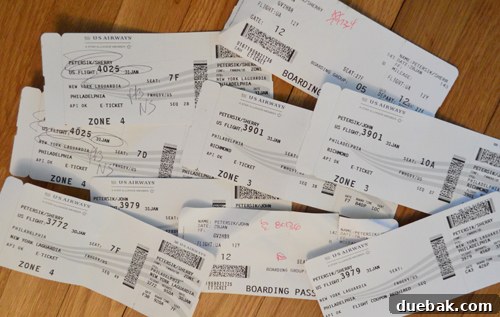
#1. Optimize Gate-Checked Bag Retrieval: Board Strategically. When flying on smaller aircraft, airlines often require passengers to gate-check rolling suitcases and larger duffel bags, tagging them at the gate for stowage beneath the plane. This process can lead to frustrating delays upon arrival, especially if you have a tight connection or simply prefer not to wait at the baggage carousel. We discovered a counter-intuitive but highly effective strategy: if your airline is gate-checking bags, resist the urge to board early, even if you’re invited to do so. Our experience showed that the last bags loaded onto the plane were frequently the first ones retrieved upon arrival. This means that by boarding towards the end of the process – perhaps with Zone 4 or 5 instead of Zone 1 or 2 – your gate-checked luggage is more likely to be near the top of the stack, making it quicker and easier for you to grab and go. Of course, don’t be the very last person to board and risk being left behind, but a slight delay in boarding can significantly reduce your wait time. This tip is particularly effective if your remaining carry-ons can comfortably fit under the seat in front of you, as overhead bin space tends to fill up quickly with early boarders.
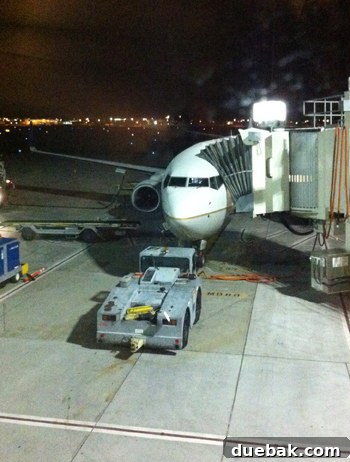
#2. Secure Early Hotel Check-In with a Simple Call. Often, our flights would land us in a new city well before noon, hours ahead of the standard hotel check-in time, typically 3 PM. We initially assumed this meant we’d be stuck “killing time” for several hours, perhaps exploring with our luggage or finding a coffee shop to settle into. However, we quickly learned that securing an early check-in, often at no additional charge, is usually just a phone call away. Our most successful approach involved calling the hotel twice: once before boarding our flight, to express our interest in an early check-in and give them a heads-up, and again when we landed in the destination city, to confirm if a room was ready. This proactive communication significantly increased our chances. While this method failed us only once throughout our extensive travels, in roughly a dozen other instances where we arrived early, a room was waiting for us, allowing us to drop off our bags, refresh, and start our activities without delay. It’s a small step that makes a huge difference in maximizing your time and comfort upon arrival.
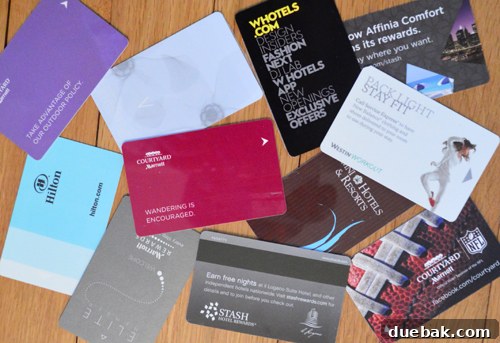
#3. Be the Bright Spot: Cultivate Kindness with Hotel Staff. Throughout our travels, we observed firsthand the incredible pressure and often thankless nature of hotel front desk roles. Hotel employees frequently encounter a steady stream of demanding or impatient guests, and we witnessed more than a few instances of rudeness. This experience reinforced a simple yet powerful lesson: being genuinely friendly, smiling, and engaging with the front desk clerk – rather than being engrossed in your phone or exhibiting an entitled attitude – can yield surprising benefits. Beyond simply earning good karma, a positive demeanor can sometimes translate into tangible perks. On several occasions, our pleasant interactions resulted in unexpected room upgrades or other helpful accommodations that made our stay even better. Remember, a little kindness goes a long way, not just for your conscience, but potentially for your travel experience too. A pleasant traveler often receives more attentive and generous service.
#4. Navigate Seating Challenges: Creative Seat Swapping Strategies. During our book tour, many of our flights were booked last-minute by our publisher, which often meant we couldn’t secure seats together. When this happened, our first step was always to politely ask the desk agent at check-in or the gate if they could rearrange seating for us; this worked in the majority of cases. However, there were two instances where even the agents couldn’t help. In these situations, we employed a clever last-ditch effort: we booked an aisle seat in one row and a window seat in an adjacent row (even if it was a row up or down) that would otherwise be next to each other if the rows aligned. Once on the plane, and crucially, before the person in the seat we wished to switch with had sat down and settled in, we would approach them. We’d politely explain our situation and ask if they would mind switching to the exact same seat type (aisle for aisle, window for window) just one row away. In both instances, the individuals were incredibly accommodating and didn’t seem to mind at all. While there’s no guarantee this strategy will always work, it’s definitely worth a polite shot, especially when traveling with a companion.
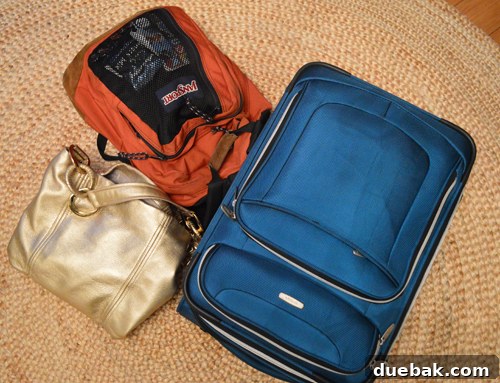
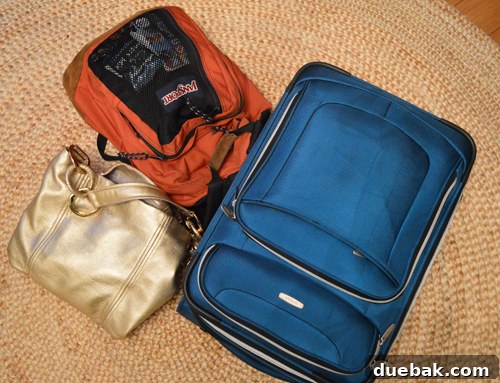
#5. Embrace the Power of Packing Light: Carry-On for Every Trip. Out of all 29 flights we took, we never once lost a single piece of luggage. This wasn’t due to sheer luck, but rather a deliberate and consistent strategy: we packed light and carried on our bags every single time. This approach eliminates the stress of lost luggage, long waits at baggage claim, and potential fees. Our packing system was lean: I carried my purse, which cleverly housed our camera, phones, tickets, snacks, and itinerary. John managed a backpack containing our reading materials for the flight, our computer, and essential signing supplies. Together, we also pulled one carry-on-sized rolling suitcase, packed efficiently with clothes, shoes, and other necessities. This minimalist approach was sufficient even for trips lasting nearly a week. The key to successful light packing is curating a versatile wardrobe of staples that can be easily interchanged. Avoid packing any tops that demand specific shoes or pants that don’t pair with multiple outfits. Our suitcase usually contained a few pairs of jeans, several adaptable tops, one extra pair of shoes each, and, of course, essential undergarments. When traveling with our daughter, Clara, we added one more rolling suitcase for her clothes, sound machine, blanket, and a few comfort items. Since each person is typically allowed one personal item and one carry-on, even with Clara, we avoided checking any bags, maintaining our efficient travel system.
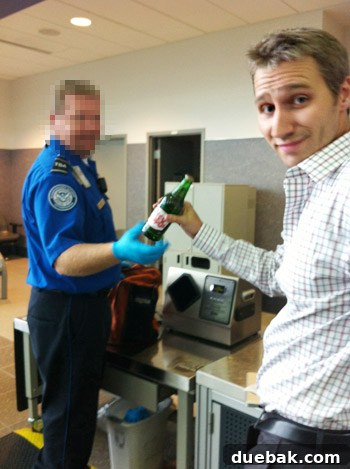
#6. Master Airport Security: Keep Toiletries Readily Accessible. Navigating airport security can be a bottleneck, and we quickly learned that many airports are extremely strict about the 3-1-1 rule for liquid toiletries. Having to dig through a meticulously packed suitcase to retrieve your plastic bag of liquids can cause significant delays for you and the people behind you. To streamline this process, we adopted a simple but highly effective habit: always keep your plastic bag containing contact solution, travel-sized shampoos, and other small liquids in an easily accessible spot. Instead of burying it deep within our main suitcase, we found that placing it in the front pocket of John’s backpack allowed for quick retrieval in literally two seconds. This small adjustment saved us considerable time and stress at every security checkpoint. Just remember, while small liquids are manageable, they will confiscate any and all fancy sodas you might have purchased before security, 100% of the time!
#7. Create a Comprehensive Travel Document for Every Trip. In the age of digital information, it’s easy to rely solely on your phone for travel details. However, we found immense value in creating a single, printed travel document as a quick-reference itinerary for every single trip. This essential sheet included all our hotel accommodations, flight confirmation numbers, scheduled departure times, and check-in dates. Printing it out before leaving for the airport provided a tangible backup and a stress-free way to access crucial information at a glance, especially when Wi-Fi was unreliable or phone batteries were low. Furthermore, this simple document serves as an excellent resource to share with a family member or trusted friend, ensuring they know your whereabouts and how to contact you or the necessary services in case of an emergency. It’s a small piece of paper that offers significant peace of mind.
#8. Proactive Pre-Travel Checks: Confirm Flights and Reservations. There are few things more frustrating than discovering a flight delay or a booking error at the last minute. This is why we wholeheartedly endorse the philosophy that preparing beforehand is infinitely easier than panicking later. Our pre-travel ritual included several crucial steps. The night before our flight, we made it a point to check its status online, confirming it hadn’t been delayed or canceled unexpectedly. Whenever possible, we also printed our boarding passes at home, saving valuable time and hassle at the airport. Perhaps the most impactful lesson we learned the hard way was the importance of double-checking hotel reservations. On one of our very first tour stops, we arrived late in the evening only to discover that our hotel room was booked for the following night instead of our arrival date. We had to endure several uncomfortable hours while the front desk staff worked to rectify the situation. A quick verification call or email prior to departure could have easily prevented this stressful ordeal. These simple, proactive checks can make a world of difference in ensuring a smooth start to your trip.
And if you’re lucky, your room looks as inviting as this…

#9. Embrace Realistic Timelines: Everything Takes Longer Than Expected. One of the most common pitfalls for travelers, especially those on a tight schedule, is underestimating the time required for basic travel activities. In the initial phases of our book tour, we attempted to cram too many events and activities into our itinerary, quickly learning that many of these ambitious plans were near impossible. For instance, a delayed flight followed by an attempt to “house crash” (a term we used for visiting and photographing homes) meant shooting in the dark, leading to a crazy-late dinner and collapsing into bed at 1 AM. This left us poorly prepared for our morning book signing the next day. We soon realized that adopting a more realistic approach to time management dramatically reduced our stress levels. Always give yourself ample “fuzzy” time for transitions – those often-overlooked moments spent deplaning, waiting for a taxi or ride-share, navigating to your hotel, checking in, or simply waiting for your food at a restaurant. These seemingly small increments of time accumulate quickly. By building in generous buffers, you’ll find your travel days become far more relaxed and enjoyable, allowing you to actually savor the experience rather than constantly rushing.
#10. Elevate Hotel Comfort: Bring Your Own Entertainment. While “bad hotel TV” might seem like a trivial complaint for most people on a short trip (ourselves included initially), it can become a significant issue when you’re traveling on and off for four months straight. You inevitably start to miss the simple comforts of home that help you truly unwind – your own comfortable couch, your familiar bed, and especially your DVR with all your favorite shows. Recognizing this, we wised up during the final month of our tour. We took advantage of a free one-month trial of Amazon Prime, which allowed us to stream shows like Downton Abbey directly onto our laptop in any hotel room. It might sound like a small luxury, but having familiar entertainment truly helped us relax and made those anonymous hotel rooms feel a little more like home. Instead of passively watching generic cable shows and feeling disconnected from “real life,” we could genuinely unwind and recharge, proving that sometimes, the simplest comforts can make the biggest difference on the road.
So there you have it – ten practical strategies and insights that made our extensive travels a little bit easier, more enjoyable, more comfortable, and certainly less stressful. These aren’t just tips; they’re lessons learned from countless hours on planes and in hotels. Do you have other brilliant travel hacks that we might not have discovered yet? We’re sure there are many more out there, and frankly, our “scrambled travel brain” might be forgetting a few. That’s a real phenomenon, right?
Psst- If you’re traveling with little ones, here’s a helpful post about toddler travel that we put together a while back, just in case that’s on your agenda.