
DIY Tea Stained Pillow Covers: A Simple Guide to Cozy Home Decor
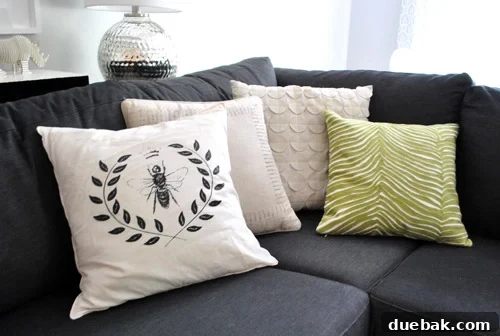
Every now and then, a simple, free project can spark a creative rebellion – at least, that’s how I felt when I decided to transform two stark white pillow covers into something softer and more harmonious for our living room. These particular pillow covers, originally from this charming Etsy shop, were beautiful in their pristine white state. However, they stood out a bit too much against the array of other off-white, cream, and even subtly metallic bronze pillows gracing “Big Karl,” our beloved dark slipcovered sectional from Ikea (you can meet Karl here). The goal? To mellow their bright white into a gentle, inviting cream, allowing them to blend seamlessly with our existing decor. This project promised to be 100% free and incredibly easy, making it an irresistible endeavor.

I have a bit of a reputation for constantly refreshing our home’s aesthetic, especially when it comes to decorative pillows. They’re often the quickest and most impactful way to shift a room’s mood. While these specific pillows might find a new home in another room next month, or even next week, ensuring they were aesthetically “compatible” regardless of their location felt like a worthy investment of time. A cohesive collection always elevates the overall design of any space.
The Stark Contrast: Before the Transformation
Take a look at these two. They truly stood out, almost like overly bright squares of stuffing, creating an unintentional visual disruption. In person, their intense whiteness made the surrounding, warmer-toned pillows appear somewhat dingy or less vibrant by comparison. This wasn’t the harmonious, inviting look I was aiming for on our comfortable sectional.
This subtle discord fueled my decision for a DIY solution. Rather than buying new pillow covers, which can add up quickly, I opted for a creative and budget-friendly approach: tea staining. It’s an age-old technique that offers a unique ability to customize fabric colors, giving items an instant vintage or softened appeal.
Gathering Your Materials for Tea Staining
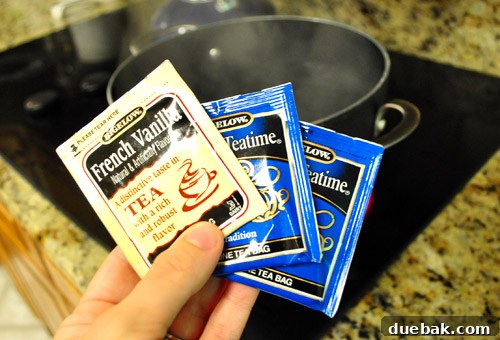
The beauty of this project lies in its simplicity and the common household items it requires. For my tea bath, I used what I already had on hand: three standard tea bags. Specifically, I chose one French vanilla tea bag for a hint of warmth and aroma, combined with two regular black tea bags to achieve that classic, subtle tan hue. The only other essential ingredient was boiling hot water.
What You’ll Need:
- **Pillow Covers or Fabric:** Choose natural fibers like cotton, linen, or canvas for best results. Synthetic fabrics may not absorb tea dye as effectively.
- **Tea Bags:** Black tea is the most common for a tan/off-white look. Herbal teas like chamomile or rooibos can offer lighter, softer tints. For a unique touch, experiment with flavored teas as I did with French vanilla. The more tea bags you use, the stronger and deeper the color will be.
- **Large Pot or Container:** Ensure it’s big enough to fully submerge your fabric without crowding.
- **Boiling Water:** Essential for extracting the maximum dye from your tea bags.
- **Stirring Utensil:** A wooden spoon or tongs works well.
- **Rubber Gloves (Optional but Recommended):** To protect your hands from staining.
Before beginning, it’s helpful to assess the fabric of your pillow covers. Natural fibers tend to absorb the tea dye more evenly and intensely than synthetics. Cotton, linen, and hemp are ideal candidates for this kind of DIY transformation. Knowing the fabric composition helps predict the outcome and adjust the dyeing time accordingly.
The Tea Dyeing Process: From Stark to Soft
The first crucial step to ensure an even stain is to pre-soak your fabric. I thoroughly soaked both pillow covers in cool water until they were completely saturated. This simple trick prevents the fabric from absorbing the tea dye unevenly, which can lead to blotchy results. Think of it like pre-wetting a sponge before cleaning – it ensures uniform absorption.
Step-by-Step Staining:
- **Prepare Your Tea Bath:** Bring a generous amount of water to a rolling boil in your large pot. Add your chosen tea bags, allowing them to steep for at least 5-10 minutes to create a strong, concentrated tea. The darker you want the stain, the more tea bags and longer steeping time you’ll need. My combination of black and French vanilla tea created a wonderfully rich, aromatic brew.
- **Submerge the Fabric:** Once your pillow covers are fully pre-wet, gently squeeze out any excess water. Then, carefully stir them into your boiling hot tea “cauldron.” Safety is key here – use tongs or a wooden spoon to avoid splashes. The fabric should be fully immersed, allowing the tea to penetrate every fiber.
- **Monitor the Color:** This is where the magic happens and where patience is a virtue. I didn’t want a heavily yellowed or antique look, just a subtle creaminess. For this reason, I kept a close eye on the pillow covers, leaving them in the tea bath for approximately five minutes. The duration of the soak directly impacts the depth of the color. For a lighter tint, a shorter soak is sufficient; for a darker, more aged appearance, extend the time.
- **Check Periodically:** To gauge the color, carefully lift a corner of the fabric out of the tea and observe it. Remember that the color will appear darker when wet and will lighten slightly as it dries. If you’re unsure, it’s always better to start with a shorter soak and re-dip if needed, rather than over-dyeing.
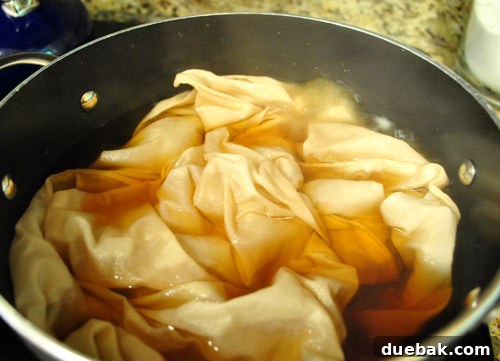
The entire active dyeing process was surprisingly quick. The aroma of French vanilla and black tea filled the air, adding a delightful sensory element to this DIY project. It’s truly amazing how a few humble tea bags can initiate such a beautiful transformation.
Rinsing and Drying for Lasting Color
Once the pillow covers achieved the desired creamy off-white tone, it was time to “seal” the color and remove any excess tea. This step is critical for preventing the dye from rubbing off or fading prematurely.
Post-Staining Care:
- **Cold Water Rinse:** I carefully removed the pillow covers from the tea bath and gave them a quick run through the washing machine on a cold water, gentle cycle. The cold water is essential here, as it helps to set the color and prevents further dye absorption or bleeding. Rinse until the water runs mostly clear.
- **Gentle Wash:** You can add a very mild, color-safe detergent during this wash, but avoid harsh chemicals that could strip the newly applied tea stain. The goal is to remove residual tea without removing the desired color.
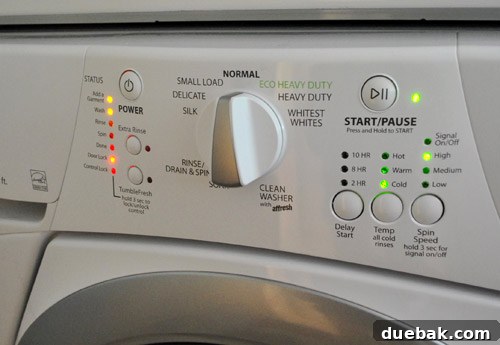
Once washed, I transferred them to the dryer, opting for a tumble dry on low heat. A little trick I’ve learned for minimizing wrinkles in cushion covers is to remove them when they’re almost 100% dry, leaving them ever-so-slightly damp. Then, if possible, allowing them to finish drying on the actual pillow insert helps them take shape and smooth out naturally, preventing the deep creases that can form from prolonged tumbling in the dryer. This ensures a crisp, neat finish without excessive ironing.
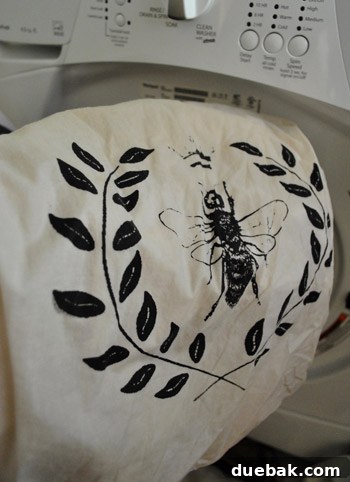
While they weren’t entirely wrinkle-free upon removal, they certainly weren’t a rumpled mess either. And let’s be honest, seeking absolute perfection in home decor is a bit outdated anyway – a touch of natural texture adds character! The entire hands-on part of this transformation took me about ten minutes of active attention, followed by an hour or so for the washing and drying cycles. A minimal time investment for such a rewarding outcome!
The Beautiful After: A Cozier Hue
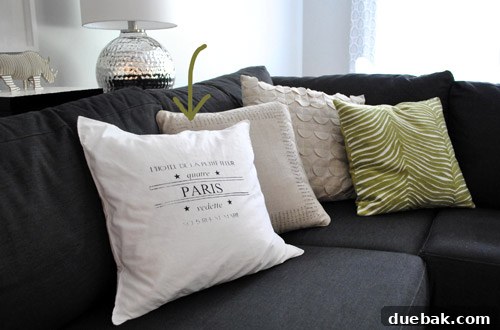
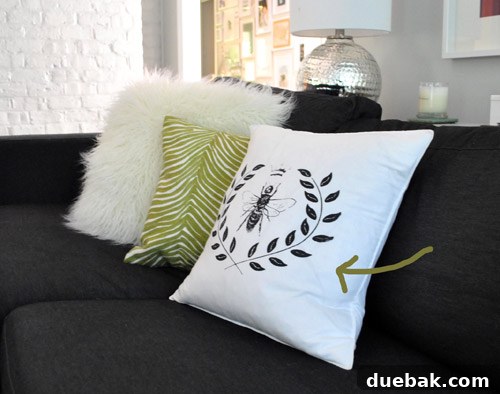
The transformation was subtle yet significant. Thanks to a few free tea bags, the pillow covers now boast beautiful, creamy, not-too-white undertones. They still read as white, which was important, but they’ve lost that blindingly stark quality. Think of it as transitioning from “Ryan Seacrest tooth-colored” to “normal person tooth-colored” – a much softer, more natural, and inviting shade. This refined creaminess adds an instant touch of warmth and sophistication, making them feel like they’ve always belonged with the rest of our collection.

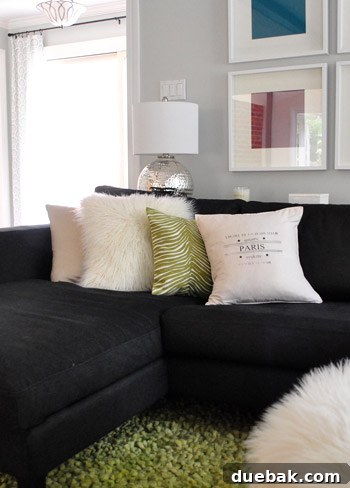
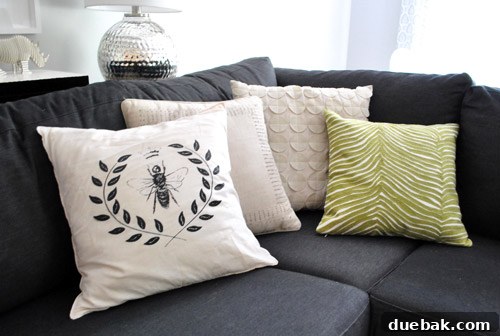

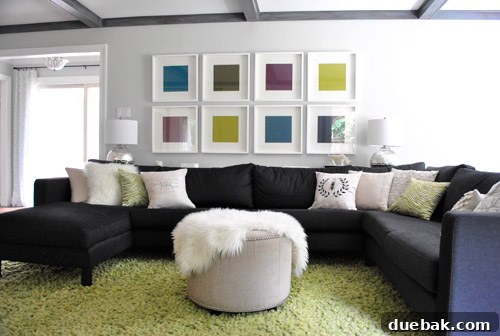
Now, these formerly stark white pillows “tuck” right in, harmonizing beautifully with their little pillow friends. They remain some of the lightest tones in the collection, but critically, they no longer make the other pillows appear dull or dirty. Instead, they enhance the overall richness and depth of the pillow arrangement. Hooray for the humble tea bag and its transformative power!
Beyond Tea Staining: My Ongoing Pillow “Problem”
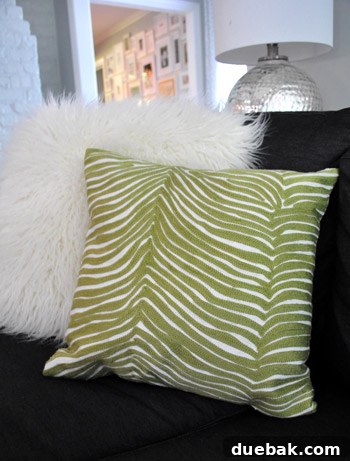
Speaking of pillow friends, let’s talk about those two vibrant green zebra print pillow covers you might have spotted. I’ve been absolutely smitten with them for ages, even before we moved into our current home. They were a significant part of a “just dreaming” mood board for our future living room last fall (see that mood board here). So, when they went on clearance for just $19 (down from $34) with free shipping *and* an additional 15% off thanks to a coupon code, I simply couldn’t resist. Snagging both for half price, at around $17 each with tax, felt like a true victory! Not that I *needed* more pillow covers, of course. My self-diagnosed “pillow problem” is a very real thing, a delightful addiction to textile accents that bring personality and comfort to our home.
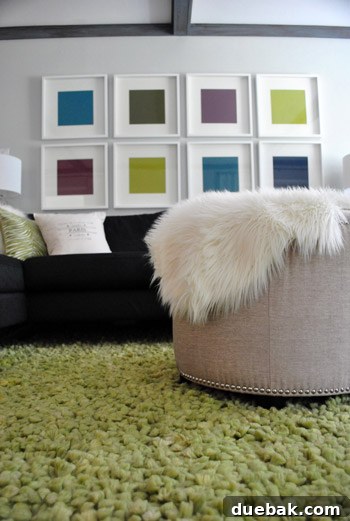
The amusing irony of all this “pillow talk” is that we actually spend a significant portion of our time – about 85%, to be precise – on our incredibly cushy rug with our little one, Clara. Three cheers for something wonderfully cozy underfoot (or, as it were, underbutt!). However, once Clara is tucked into bed for the night, my husband and I gladly sink into Big Karl. This is our ritualistic space for unwinding, often watching something wonderfully weird and morbid that we both adore (like Dexter, True Blood, or The Walking Dead – what does that say about us?).
And in these moments, all those pillows, far from being mere decorative elements, prove their immense utility. They serve a multitude of practical purposes: offering excellent back support for prolonged lounging, facilitating comfortable reclining, keeping our laptops from scorching our legs, becoming projectiles in playful skirmishes when one of us dozes off, and acting as stress-relievers to squeeze during particularly suspenseful or scary scenes. Ah, pillows! Such indispensable items in the daily rhythm of our home. Perhaps I *do* need more. Just kidding… mostly!
Share Your DIY Stories!
Have you ever ventured into the world of tea dyeing? What creative items have you transformed with this simple, natural technique? Perhaps you have some brilliant tips for achieving specific hues or ensuring long-lasting color? And for a dose of nostalgia, do you remember making fake tea-stained pirate maps with burned edges as a kid? It was a classic childhood craft, and I’d love to know if I’m not the only one who spent hours perfecting those treasure maps!
DIY projects like tea staining are a fantastic way to inject personality and warmth into your home without breaking the bank. It’s about finding joy in the process and celebrating the unique character you bring to your living space. So, what affordable home updates are you tackling next?
Explore More DIY Dyeing Adventures:
Psst- If you’re as much of a dork for dye as I am, you might enjoy these other creative dyeing projects:
- Check out how I dyed my wedding dress for a truly unique look here.
- See how I transformed some cheap-o slipcovers for our $25 Craigslist chairs using a four-color process here.