
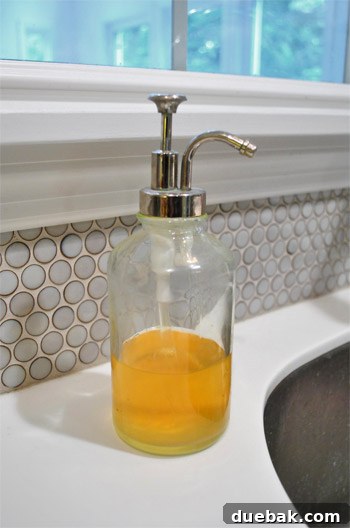
Every so often we get a chance to share something that could genuinely help the planet — even if only one in ten readers adopts the suggestion. This is one of those moments. Please pass this information along to friends and family.
We owe this useful insight to my very sharp younger brother Dan (affectionately known as Almost-Doctor Dan):
If you missed our previous introductions, Dan graduated from Cornell with the top GPA in his College of Agriculture and Life Sciences class and is now pursuing a doctorate in chemistry at Columbia on a National Science Foundation fellowship. He spends his days in the lab studying molecules and polymers — the perfect person to ask about chemicals and their effects.
During a recent conversation about flu season and the growing concern over germs, Dan shared a surprising fact: the notion of “antibacterial soap” is largely a marketing tactic that can be harmful to the environment. Here’s his explanation:
Most so-called antibacterial soaps contain a chlorinated aromatic compound called triclosan. Triclosan itself isn’t highly toxic to humans at the concentrations used in consumer soaps, but every time you wash your hands it goes down the drain and eventually enters wastewater systems. Think about how quickly you go through a bottle of hand soap — virtually all of it ends up in the sewer.
From there, triclosan can make its way into lakes, streams, and oceans. It’s not readily biodegradable, so it can persist in the environment. If antibacterial soap truly prevented illness on a broad scale, the trade-off might be worth debating, but the reality is different.
Bacteria and viruses cannot penetrate healthy, intact skin. Pathogens only pose a risk if they are transferred to your mouth, nose, eyes, or food. Until that point, they remain loosely attached and largely harmless.
Regular soap and water disrupts bacterial cell membranes and helps remove microbes from skin. In other words, any effective soap will cleanse your hands; you don’t need specialized antibacterial formulations for everyday use. Unless you work in an environment requiring sterilized hands, such as an operating room, antibacterial soaps are an unnecessary expense and a source of environmental pollution.
We were surprised to learn that companies still promote antibacterial labels even though ordinary soap and water are sufficient for routine handwashing. Switching away from antibacterial products in households could reduce the amount of persistent chemicals entering waterways. Imagine the impact if just a small percentage of people changed their purchasing habits over the next decade.
We also heard from another Almost-Doctor — Kristin, who is completing her PhD in Germany and works with bacteria regularly. She added this perspective:
Bacteria are everywhere, and most are harmless or even beneficial. When you wash with antibacterial or disinfectant soaps, the skin’s bacterial population returns to its normal level within hours or a day. Overuse of disinfectants can damage the skin’s beneficial flora and even cause skin problems for people who must disinfect frequently.
Instead of trying to eliminate bacteria altogether, we should accept that they are a normal part of our environment. Excessive household disinfection can promote resistant strains of bacteria, and some researchers believe that overly sterile environments may increase the risk of allergies by limiting immune system training.
Soap and water removes or kills roughly 99% of bacteria on the hands. If you want to minimize soap use, a microfiber cloth with water can also be effective — the fine fibers trap microbes, and the cloth can be laundered in hot water to remove them. For ordinary households with healthy people, thorough washing with regular soap and water is sufficient.
So there you have it: two science-minded experts on different continents who agree — drop the antibacterial soap for everyday handwashing. Clean hands are achieved with conventional soap and water, and avoiding unnecessary antibacterial chemicals reduces the pollution burden on lakes, rivers, and oceans.
John and I prefer Dr. Bronner’s Pure-Castile Soap (we like the almond scent). It’s sold widely, made from organic oils, and is often packaged in post-consumer recycled plastic. If you want an eco-friendly option to replace antibacterial soap, plant-based, fair-trade castile soap is a good choice.
Bottom line: For routine household use, wash your hands thoroughly with regular soap and water. You’ll protect your health and help protect the environment.