
From Overgrown to Oasis: Our Comprehensive Front Yard Landscape Transformation Journey
Every home has a story, and often, that story begins right at the curb. For us, our outdoor space presented both a challenge and an exciting opportunity for a full-scale landscape transformation. While some might recall playful anecdotes of “the wilderness” from reality TV shows, our reality was a yard that truly embodied an untamed spirit – and not in a charming way! This spring, we’re tackling a significant outdoor upgrade agenda, aiming to redefine our home’s exterior appeal. Let’s dive into how our journey began and the ambitious plans we have for an enchanting outdoor oasis.
The Starting Point: A Vision for Change
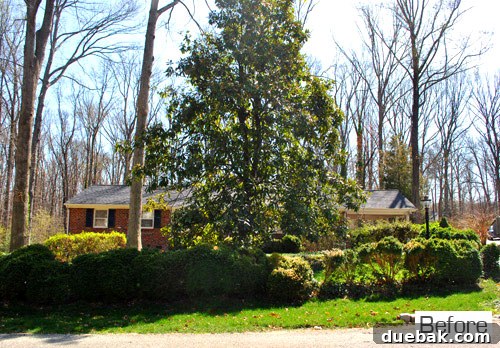
When we first acquired our home, the front yard, while holding potential, was a tangled maze of overgrown bushes and uneven terrain. It was a space that yearned for a structured design and a touch of professional finesse. The images below vividly capture the “before” state, illustrating the sheer scale of the landscape renovation project ahead of us.
Early Efforts: Small Steps Towards Curb Appeal Enhancement
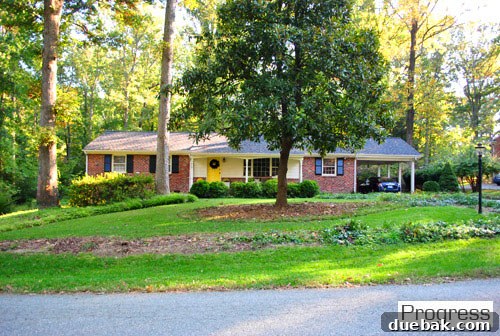
Our initial steps were DIY-focused, laying the groundwork for more extensive changes. We began by carefully limbing up our majestic magnolia tree, which immediately opened up the space and improved its aesthetic. Following this, we undertook the arduous task of transplanting and removing numerous overgrown bushes that crowded the entrance. To add a vibrant pop of color and a welcoming touch, we also repainted the front door. These early transformations, as seen in the subsequent photograph, significantly enhanced the visual appeal of our home, moving us closer to our desired aesthetic.
Seeking Expert Guidance: The Invaluable Role of a Landscape Designer
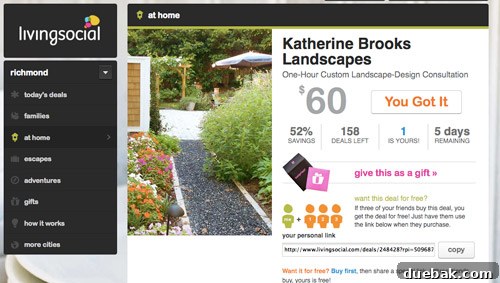
While our early DIY efforts yielded noticeable improvements, it became clear that achieving our ultimate vision for a truly cohesive and sustainable landscape would require professional expertise. Despite our enthusiasm for hands-on projects, our “black thumbs” – a playful term for our lack of advanced horticultural knowledge – made us realize the limitations of our own plant selection and placement skills. Our yard, frankly, was still a long way from its full potential, often leaving us apologetic to neighbors for persistent weedy patches and struggling plants. This realization led us to an exciting opportunity: a one-hour consultation with a certified landscape designer, Katherine Brooks, offered at a significant discount through Living Social for just $60.
Investing in a landscape expert might seem unconventional for dedicated DIYers, but the value proved immediate and undeniable. Katherine possessed a wealth of knowledge regarding plant suitability, sustainable landscaping practices, and innovative design concepts that we would never have conceived on our own. A prime example occurred merely five minutes into our consultation: she pointed out that growing grass under our limbed-up magnolia tree was a futile endeavor due to its shallow, extensive root system that suffocates grass. We had meticulously planned to seed this area repeatedly, wasting significant time, money on grass seed and water, and endless frustration. Katherine’s insight not only saved us valuable resources but also offered an elegant, practical alternative solution, which we’ll delve into shortly.
Unlocking Potential: Katherine’s Vision and Practical Advice
Katherine’s consultation transcended mere plant recommendations; it was a masterclass in landscape architecture tailored to our specific needs and local climate. She provided a curated list of plants best suited for various microclimates within our yard and offered invaluable suggestions for transplanting existing greenery – a commitment we share to working with what we already have. Her advice extended to general sustainable landscaping tips, strategic reconfigurations for our garden beds (she even used a sprayer to mark out proposed changes on the grass!), and crucial identification of our existing plants. Knowing the names of our flora means we can now accurately research their care requirements or transplanting best practices online, transforming uncertainty into informed action. Without a doubt, this investment was exceptionally well-spent. By the time Katherine departed, we had a four-page blueprint of ideas scribbled in our notebook, outlining a comprehensive plan for our outdoor sanctuary.
Our Comprehensive Landscape Master Plan: From Ideas to Implementation
Katherine’s detailed plan addressed every aspect of our yard, from overlooked corners to high-traffic areas. Here’s a glimpse into the strategic improvements she proposed:
- Seeding Bare Spots: Immediate action to reseed barren areas resulting from previous bush removals, ensuring a lush, uniform lawn.
- Enhancing Privacy: Planting American Holly and Sweet Bay Magnolia trees in the back yard to create a natural privacy screen and add year-round visual interest.
- Porch Planters: Suggesting suitable plants like Hosta, Coleus, Kimberly Fern, or small Boxwoods for our empty porch planters, ensuring vibrant and appropriate greenery.
- Ivy Removal: Emphasizing the critical need to remove ivy from large oak trees in the backyard. Over time, ivy can harm trees, and maintaining tree health is a top priority for us.
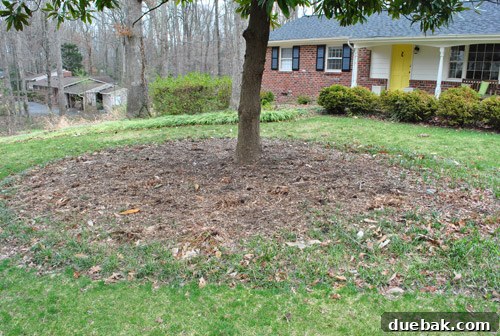
- Periwinkle Groundcover: A brilliant solution for the area around the magnolia’s base. Transplanting the pervasive periwinkle groundcover from other areas of the yard here will provide a lush green carpet where grass cannot thrive, effectively hiding the bare soil.
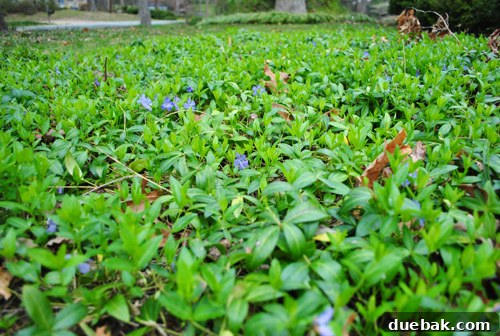
This creative use of existing resources not only solves a persistent landscaping challenge but also integrates seamlessly with our overall design.
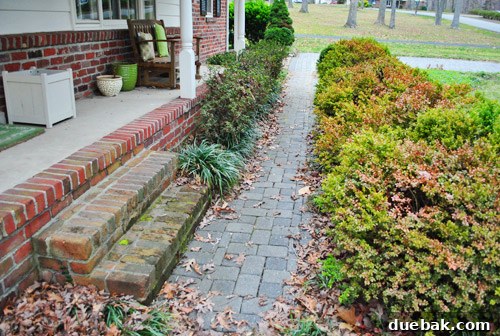
- Reconfiguring the Front Path: Transplanting or removing ailing boxwoods and azaleas that crowd the path to the front door. These will be replaced with appropriately sized perennials that enhance the entryway without encroaching on the walkway, creating a more welcoming approach.
- Foundation Plantings: Addressing the significant bare dirt and brick around the house’s foundation, especially on either side of the porch. Katherine provided a specific list of plants that would thrive in these particular lighting and spatial conditions, enhancing the home’s base.
- Removing Irregular Brickwork: Digging up an awkwardly placed rectangular brick section next to the driveway in the planting bed. This removal will allow for a more balanced and harmonious landscape design.
- Mailbox Area Groundcover: Planting resilient groundcover around the mailbox. Our previous attempts with flowers always resulted in an unkempt appearance, so a low-maintenance groundcover offers a realistic and attractive solution for busy homeowners like us.
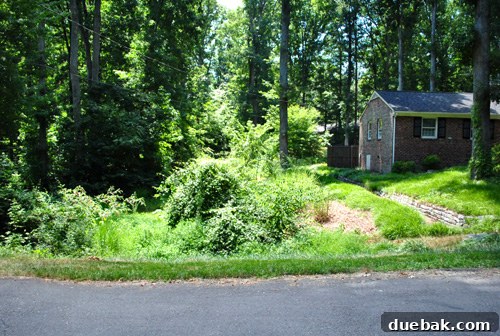
- Side Lot Beautification: Planting a variety of trees, such as Dogwoods, Redbuds, River Birches, and Weeping Willows, along the side of our lot. This will transform a currently barren gully into a lush, inviting space, improving both aesthetics and natural habitat.
- Patio Area Adjustments: Relocating a few bushes from one side of the patio to the other to ensure clearer pathways and better circulation.
- Expanding Hydrangea Garden: Adding more hydrangeas to our patio garden. With three thriving hydrangeas already in place, introducing more to the currently bare side will create balance, enhance visual appeal, and add a burst of color.
- Removing Unhealthy Trees: Cutting down two diseased trees and a completely dead rhododendron bush adjacent to the patio to ensure safety and improve the health of surrounding plants.
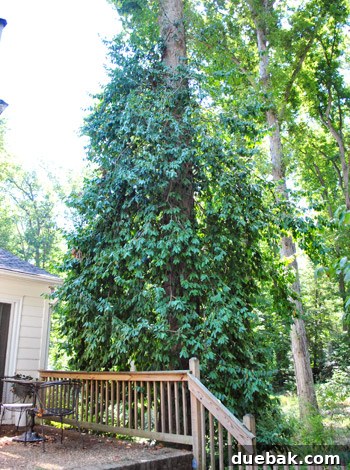
- Euonymus Vine Removal: Removing the giant euonymus vines from the oak tree near our patio. Although an arborist initially deemed them acceptable, their substantial growth and weight, especially after Hurricane Irene, highlighted a potential hazard. Katherine’s recommendation confirmed our growing concerns, making their removal a priority.
- Selling Cobblestones: Repurposing and selling the cobblestones we’ve already removed, and plan to remove from planting beds. This not only offers a small return but also simplifies future mowing and maintenance around garden beds.
- Seasonal Pruning: Scheduling the annual cutting back of ornamental grasses on the side yard and butterfly bushes in the backyard, with March identified as the optimal time for this essential maintenance.
- Aucuba Planting: Introducing Aucuba plants along the entire left side of our house, an area currently devoid of greenery, featuring only bare dirt and weeds in the planting bed.
- Further Enhancements: Plus, at least ten additional, more intricate projects that will be detailed as we systematically tackle them.
The Journey Begins: First Steps and Unexpected Realities
This comprehensive list, while exciting, highlights the sheer scope of our landscape renovation. Having navigated the slow but rewarding curb appeal transformation of our first home over four and a half years, we understand that these projects require patience and a “one day, one project at a time” approach to prevent feeling overwhelmed. Our immediate focus became the foundation plantings around the house, as empty garden beds populated only by dirt and sporadic weeds certainly don’t enhance curb appeal.
A serendipitous find last fall – an $80 Living Social deal for a local nursery, acquired for $40 – provided the perfect impetus to begin. With only three days until the deal expired, we rushed to the nursery, armed with Katherine’s carefully curated list of “plants-that-will-hopefully-live” and a renewed sense of purpose.
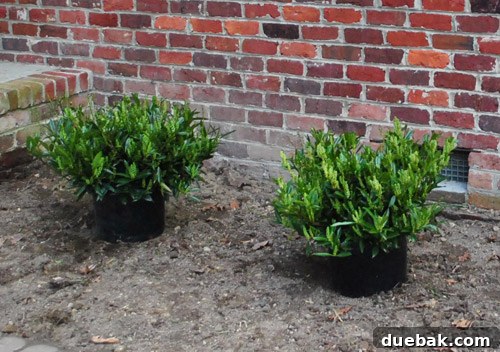
The car ride to the nursery was filled with amusing anticipation. We optimistically declared, “I hope we have room for all the plants we’ll get with our $80!” We even cleared out the trunk, removing our stroller, to accommodate what we envisioned as a car overflowing with lush greenery. The reality, however, quickly set in upon arrival: most substantial bushes ranged from $25 to $50 each. Consequently, we left with just two bushes, which easily fit in the car’s back seat. We shared a laugh on the drive home, contrasting our grandiose vision of a car full of plants with the reality of plant pricing. Landscaping can indeed be an expensive endeavor! Here’s what we brought home:
Introducing Otto Luyken Laurels: Our First Foundation Plantings
The plants we selected were Otto Luyken Laurels, highly recommended by Katherine as ideal larger foundation shrubs. She provided precise guidance on spacing and planting distances to ensure their healthy growth and optimal visual impact. Thankfully, these particular laurels come with a one-year guarantee, offering peace of mind should they not thrive. However, with the recent generous rainfall, we are optimistic they are settling in nicely and have no intention of letting them fail.
Initial Placement and Future Vision for Our Garden Beds
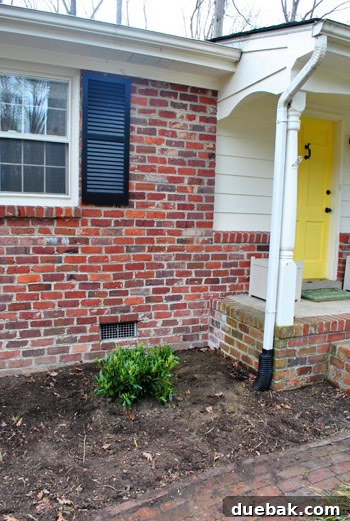
Our initial planting efforts are concentrated on the garden beds to the left and right of the porch – areas that clearly have a long way to go to reach their full potential. One of the new laurels found a spacious home on the left side, becoming a focal point in what will eventually be a vibrant planting area.
The other laurel secured prime real estate on the right, poised to anchor that section of the foundation planting.
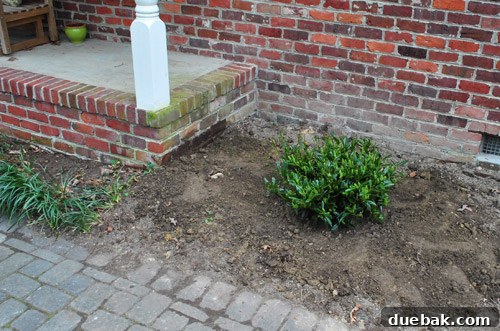
As these garden beds develop and receive the additional five-plus plants each needs, we will enthusiastically share all the before-and-after transformations. There’s still much to clear, including a rather stubborn rectangle of bricks that served as an impromptu hose platform to the right of the newly planted bush. That sounds like a perfect job for a sledgehammer and some good old-fashioned muscle! What outdoor projects are you currently undertaking? Have you introduced any new plants or flowers to your garden this season?