
Transforming a house into a home often hinges on the subtle yet profound impact of well-chosen details. Among these, area rugs stand out as foundational elements that can dramatically alter the ambiance, comfort, and aesthetic appeal of any living space. More than just floor coverings, rugs are versatile design tools capable of grounding furniture, adding warmth, defining distinct zones in open-plan layouts, dampening sound, and injecting crucial doses of pattern, texture, and color into a room. Whether you’re aiming to create a cozy reading nook, delineate a bustling dining area, or simply add a plush landing for your feet beside the bed, the right rug is an indispensable asset in interior design.
The quest for the perfect rug can feel daunting, given the myriad of sizes, materials, patterns, and styles available. However, armed with a clear understanding of fundamental rug rules and room-specific considerations, you can confidently select pieces that not only complement your decor but also enhance the functionality and comfort of your home. This comprehensive guide will walk you through the essential principles of rug selection, offering a room-by-room breakdown with practical size specifications and expert tips to ensure your floor coverings contribute meaningfully to your overall interior scheme.
Understanding the Fundamentals: General Rug Selection Principles
Before diving into specific rooms, it’s vital to grasp some universal truths about selecting area rugs. These principles will serve as your compass, guiding you toward informed decisions for every space in your home.
- The Power of Scale: A common mistake is choosing a rug that’s too small for the space. An undersized rug can make a room feel disjointed and unfinished. Always aim for a rug that comfortably accommodates the main furniture pieces, creating a cohesive zone.
- Material Matters: The rug’s material dictates its durability, feel underfoot, and ease of cleaning. Natural fibers like wool, cotton, jute, and sisal offer distinct textures and properties, while synthetic options like polypropylene are known for their resilience and stain resistance. Consider the traffic level and potential for spills in each area.
- Color and Pattern Impact: Rugs are powerful design tools for introducing color palettes and patterns. A bold pattern can serve as a focal point, while a subtle texture can add depth without overwhelming the space. Choose colors that either complement existing decor or introduce a contrasting pop to invigorate the room.
- The Unsung Hero: The Rug Pad: Never underestimate the importance of a quality rug pad. A good pad prevents slipping, extends the life of your rug by reducing wear, provides additional cushioning, and protects your floors. It’s a small investment that makes a big difference in both safety and comfort.
- Traffic and Durability: High-traffic areas like entryways and living rooms demand durable, easy-to-clean rugs. Low-traffic zones like bedrooms can accommodate softer, more delicate materials.
Mastering Rug Rules for Your Dining Room
The dining room is a hub of activity, a place for meals, conversation, and often, celebrations. A well-chosen dining room rug not only enhances the room’s aesthetic but also provides comfort and helps define the space. The key here is ensuring ample coverage.
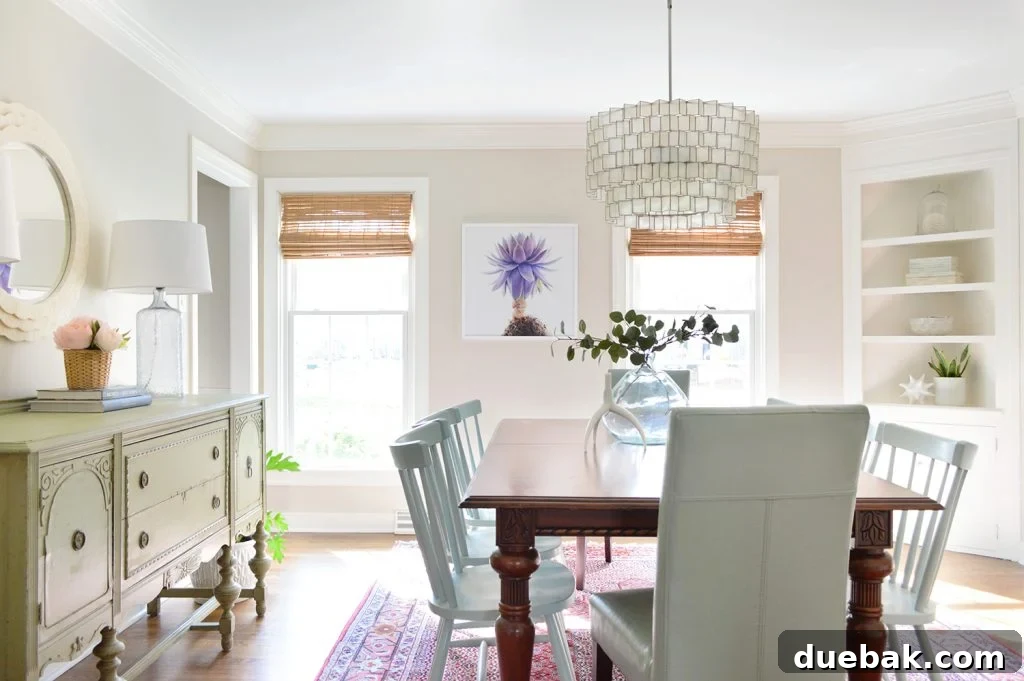
- The Golden Rule of Sizing: When selecting a rug for your dining room, it must be large enough to allow all dining chairs to be pulled out completely without any chair legs falling off the rug. This typically requires at least an 8×10 foot rug for a standard rectangular table with six chairs, but larger tables may necessitate a 9×12 or even bigger. Measure your table and add at least 24-30 inches on all sides to ensure this critical clearance. This prevents chairs from catching on the rug’s edge, creating an uneven, uncomfortable experience and potential tripping hazards.
- Camouflage for Mishaps: Dining rooms are prone to spills and food debris. Opting for a rug with a multi-tonal pattern, a subtle texture, or a color variation is a clever way to mask any inevitable stains or discoloration from mealtime mishaps. Darker colors or intricate designs can be particularly forgiving. Flat-weave or low-pile rugs made from synthetic fibers or treated wool are often excellent choices for their cleanability.
- Breaking Up Monotony: Many dining rooms feature a significant amount of wood, from the table and chairs to the flooring itself. An area rug with a distinct border or an engaging pattern provides a fantastic opportunity to introduce visual interest, texture, and a break from the monochromatic wood tones. This contrast is especially impactful if your dining room floor is also wood, as the rug helps define the dining zone and adds a layer of sophisticated design.
- Durability and Cleanability: Beyond aesthetics, consider the practical aspects. Dining room rugs should ideally be durable and easy to clean. Materials like polypropylene, flat-weave wool, or even some indoor/outdoor rugs can withstand the rigors of spills and heavy foot traffic while remaining relatively simple to maintain.
Bedroom Rug Rules for Ultimate Comfort and Style
The bedroom is your personal sanctuary, a space dedicated to rest and rejuvenation. A bedroom rug plays a crucial role in enhancing this feeling of comfort and serenity, providing warmth underfoot and a soft aesthetic foundation.
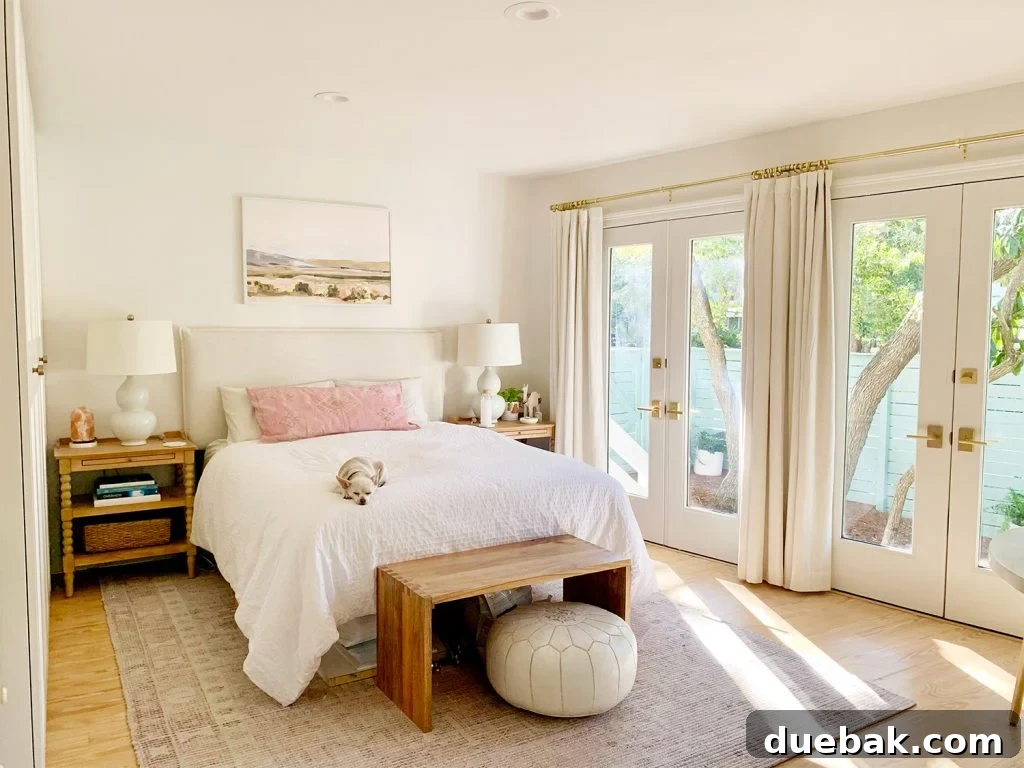
- Embrace Plushness Underfoot: The primary goal of a bedroom rug is comfort. Choose a size that extends significantly beyond both sides and the foot of your bed, ensuring that when both sleepers get up, their feet meet a soft, cozy rug rather than a cold, hard floor. This simple luxury sets a comfortable tone for your entire day. For larger beds, a generously sized rug (e.g., 8×10 or 9×12 for a Queen/King) placed horizontally under the bed is ideal.
- Strategic Placement for Balance: The most common and aesthetically pleasing placement for a bedroom rug is underneath your bed, extending out from three sides: the foot and both sides. Ideally, the bed should be centered on the rug, allowing an equal amount of rug to show on either side. This creates a balanced visual and ensures maximum coverage where it’s needed most. Alternatively, for smaller rooms or specific layouts, two smaller runners placed on either side of the bed can achieve a similar effect of providing soft landings.
- Sizing for Different Beds: While a 5×8 foot rug laid horizontally can work for a Queen-size bed or smaller, extending approximately two-thirds of the way under the bed, an 8×10 foot rug is generally a more luxurious and visually impactful choice for a Queen, providing more generous coverage. For King-size beds, a 9×12 or even larger is often necessary to achieve the desired spread and ensure ample soft landing space.
- Material for Serenity: Prioritize plush, soft materials that contribute to a soothing and restful feeling. Wool, cotton, or synthetic rugs with a high pile are excellent choices. If you love the look of a flatter weave rug but crave more softness, simply add a high-quality felt rug pad underneath to enhance comfort and cushioning.
- Subtle Patterns for Calm: To maintain a serene and peaceful atmosphere, consider selecting a rug with a smaller scale pattern, a subtle texture, or even a solid color. While a bold rug can work as a statement piece in some bedroom designs, a quieter rug often makes the most sense for creating a truly tranquil retreat, allowing other elements like bedding or artwork to shine.
Living Room Rug Rules for Connection and Cohesion
The living room is often the heart of the home, a space for relaxation, entertainment, and gathering. An area rug here is pivotal in defining the seating area, grounding furniture, and pulling the entire room’s design together. Choosing the right living room rug creates a sense of cohesion and warmth.
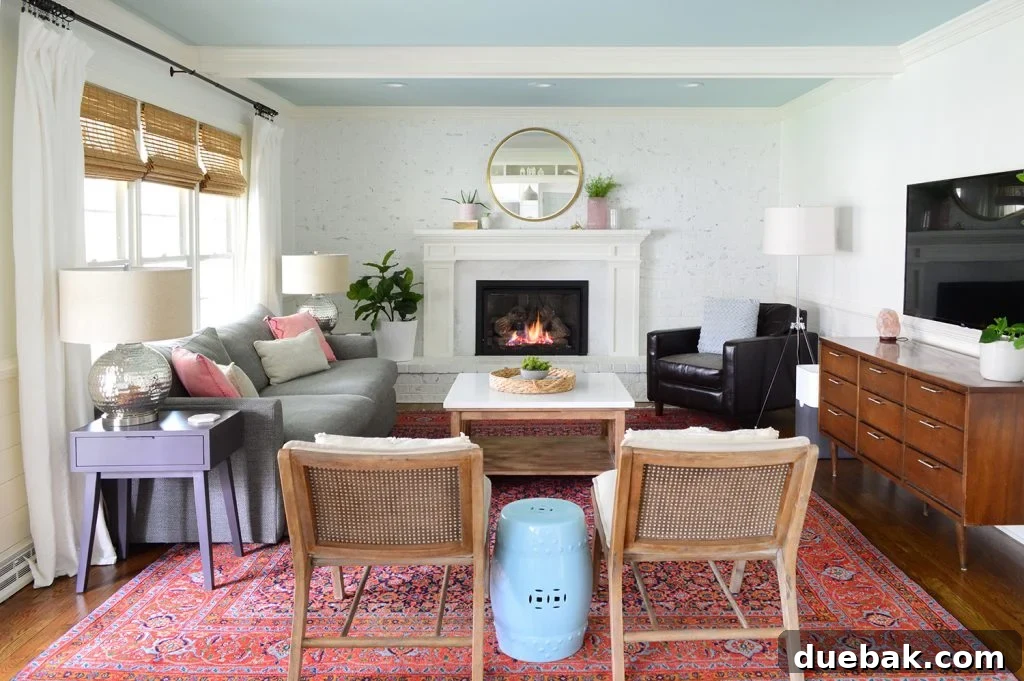
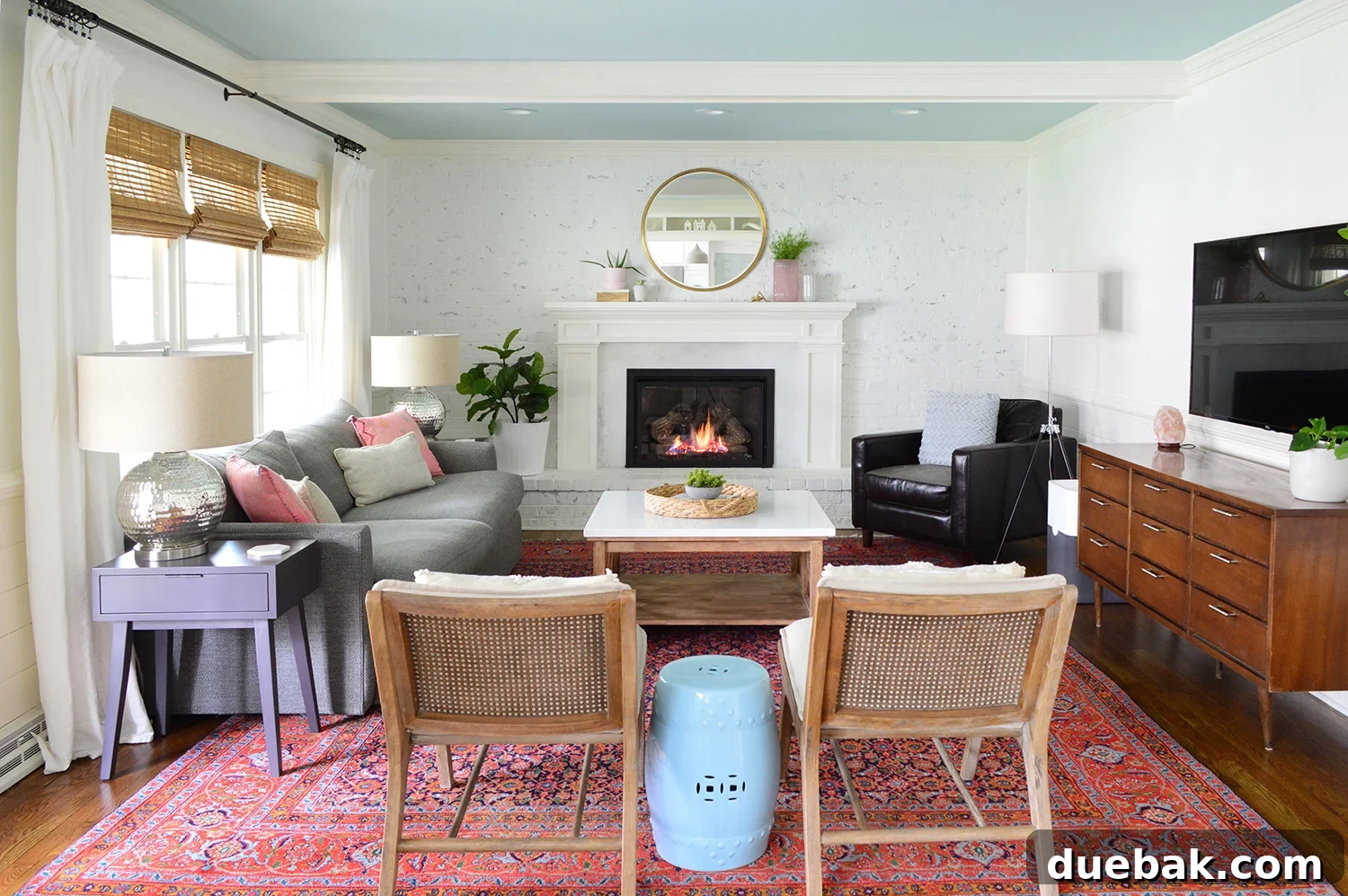
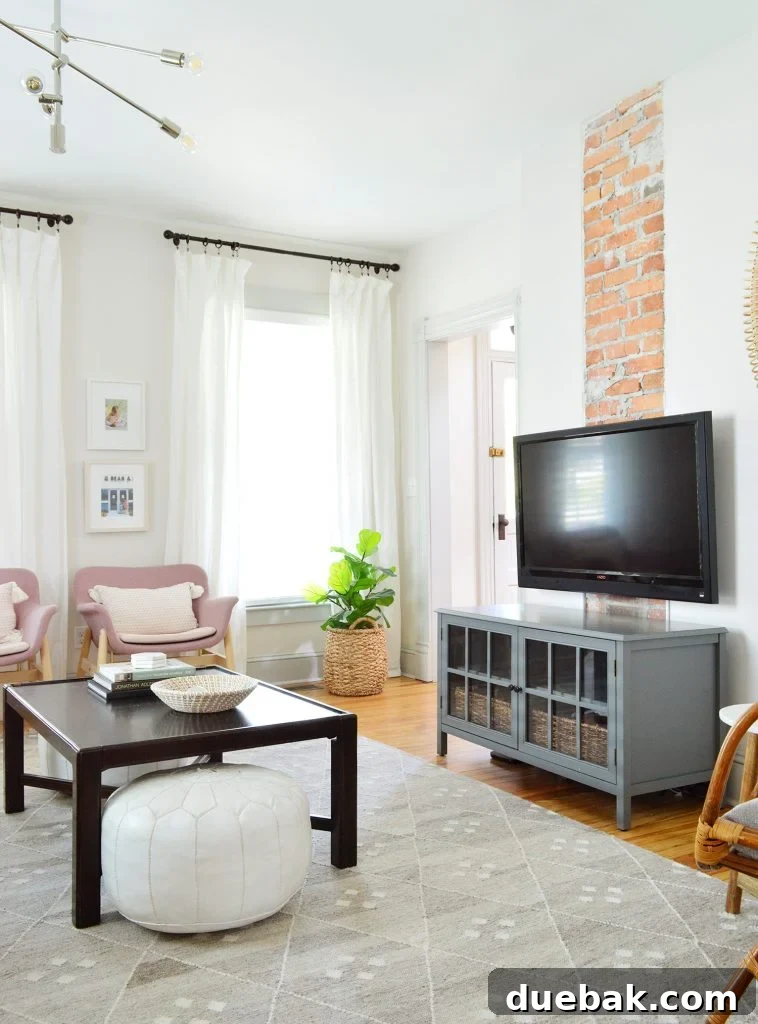
- Grounding Your Seating Area: To create a cozy, well-defined, and grounded seating arrangement, your rug should be at least as long as your sofa. Ideally, it should also be wide enough to extend beyond any side tables, ensuring that the primary furniture pieces within the conversation zone feel connected to the rug. A rug that is too small will make your furniture appear to float aimlessly in the room.
- Furniture Placement: A crucial rule for living room rugs is to ensure that at least the front legs of your sofa, loveseat, and any accent chairs sit comfortably on the rug. This visually anchors the furniture to the seating area, making the space feel integrated and intentional. Depending on the size of your rug and the room, the back legs of the furniture can either be on or off the rug, but the “front legs on” approach is a reliable guideline for achieving a cohesive look. For larger rugs, having all furniture legs on the rug creates an even more luxurious and grounded feel.
- Defining Zones, Even with Carpet: Even if your living room has wall-to-wall carpeting, an area rug can still be incredibly beneficial. It adds an additional layer of pattern, interest, color, and style, elevating the decor beyond basic carpeting. More importantly, it serves as a powerful tool to visually define the seating area, creating a “room within a room” effect that enhances the functionality and aesthetics of your living space.
- Color Palette Foundation: A multi-colored or patterned rug can be a fantastic starting point for establishing your room’s entire color palette. Pull accent colors from the rug’s design to inform your choices for throw pillows, curtains, artwork, or other decorative accessories. This creates a harmonious and professionally designed look, ensuring all elements of the room work together seamlessly.
- Considering Traffic and Durability: Living rooms are high-traffic areas, so choose a rug material that can withstand constant use. Wool is a classic choice for its durability and natural stain resistance, while synthetic options like nylon or polypropylene offer excellent resilience and are often easier to clean, making them ideal for homes with children or pets.
Practical Rules for Your Kitchen Rugs
The kitchen is a hardworking space, prone to spills, foot traffic, and the occasional dropped utensil. Kitchen rugs, therefore, must be as practical as they are stylish, offering comfort and durability in equal measure.
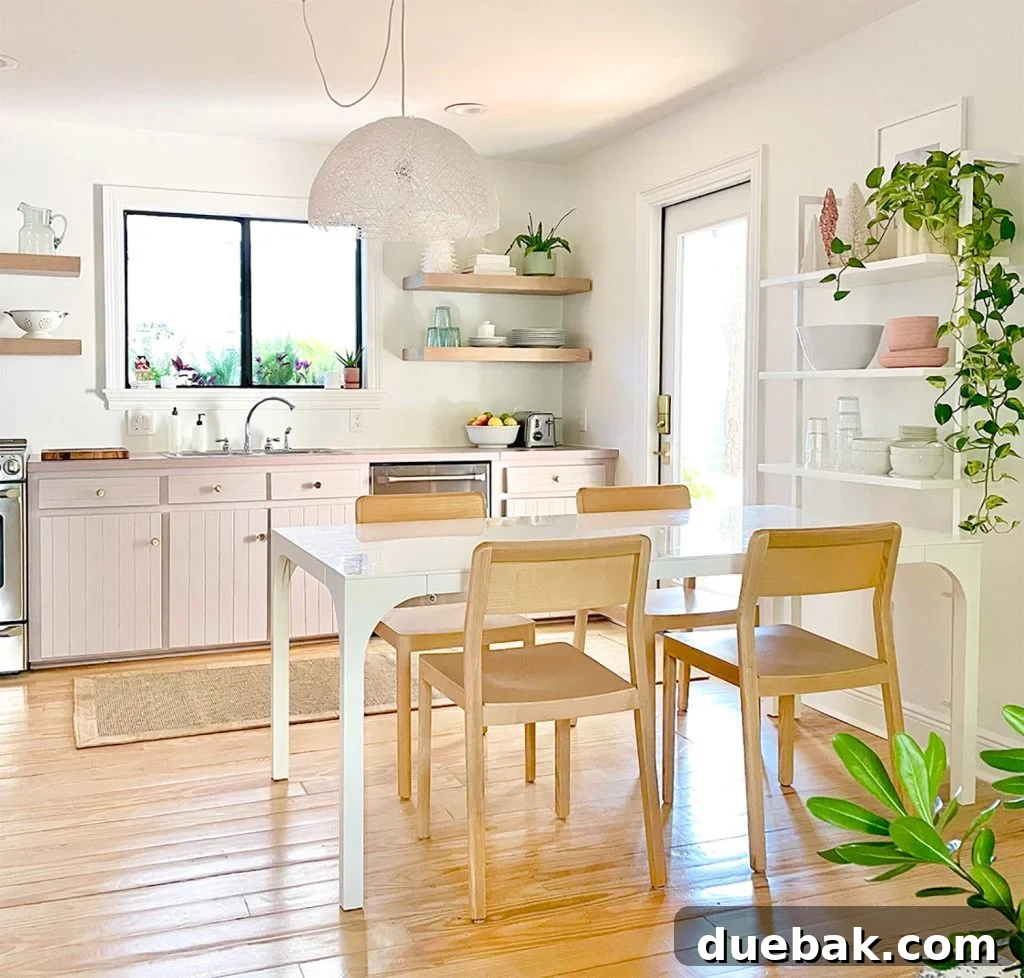
- Durability and Easy Cleaning are Key: For kitchen rugs or runners, your top priorities should be durability and ease of cleaning. This area sees high traffic and is susceptible to food splatters and liquid spills. Look for materials that can stand up to frequent vacuuming, spot cleaning, and even more intensive washing when necessary.
- Strategic Sizing and Placement: You have a few options for sizing and placement. A smaller doormat-sized rug placed directly in front of your sink provides comfort during dishwashing and catches drips. For larger kitchens or to connect different work zones, a runner is an excellent choice. Place runners in front of the stove, along an island, or in a galley kitchen to span the length of the main cooking and prep area, adding both comfort and a touch of design.
- Natural Fiber Powerhouses: Natural fibers like jute and sisal are fantastic options for kitchens. They are inherently durable, offer a pleasing texture, and are relatively easy to clean—they can be shaken out to remove crumbs and easily vacuumed. Many also respond well to spot cleaning with water. Their earthy tones also tend to hide minor imperfections effectively.
- The Versatility of Indoor/Outdoor Rugs: Indoor/outdoor rugs, often made from polypropylene, are a truly fabulous and hardworking idea for the kitchen. Many are surprisingly comfortable underfoot, offering a softer feel than you might expect, yet their greatest advantage is their incredible resilience. They can literally be hosed off outdoors if they encounter a major spill or require a deep clean, making them an unparalleled choice for a busy kitchen.
- Safety First: Non-Slip Solutions: Unlike living room or dining room rugs that are often anchored by heavy furniture, kitchen rugs may not have this inherent stability. It is absolutely essential to use rug tape or a non-slip rug pad underneath any kitchen rug to ensure it stays firmly in place. This prevents slips and falls, which are particularly hazardous in an area where sharp objects and hot liquids are often in use.
Smart Rules for Your Bathroom Rugs
Often overlooked, the bathroom offers a unique opportunity to infuse personality and comfort through thoughtful rug selection. Beyond basic bath mats, bathroom rugs can elevate this functional space into a mini oasis.
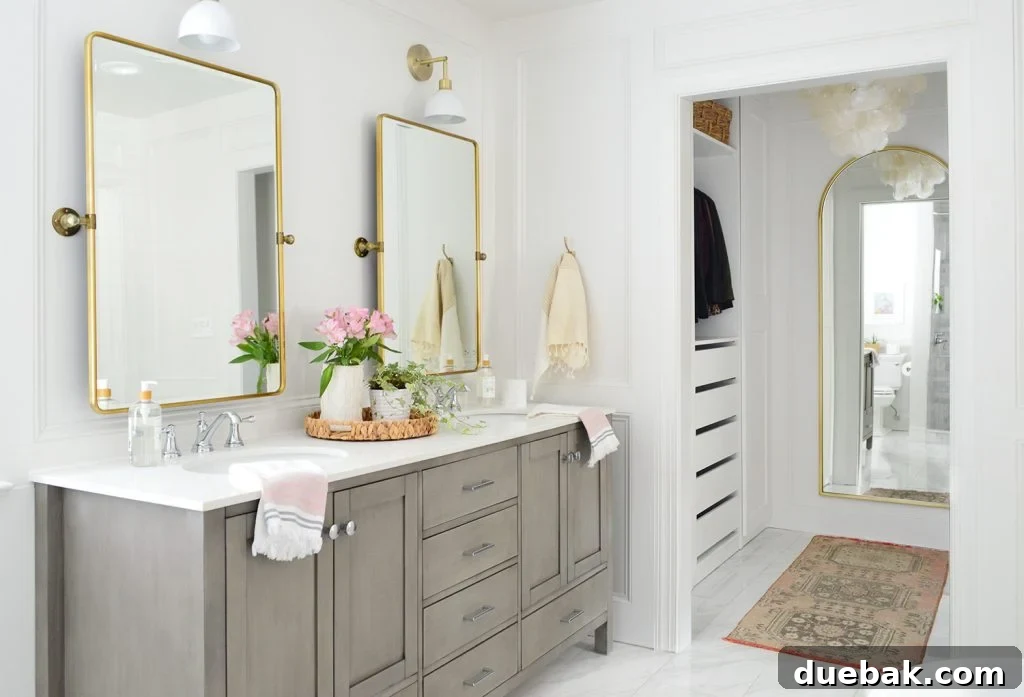
- Beyond the Bath Mat: Don’t feel confined to solely selecting traditional bath mats. Many beautifully crafted rugs can stand up to damp conditions and bare feet, adding significant style. While a quick-drying, absorbent mat is still advisable right outside the shower or tub for immediate water absorption, a more decorative rug can be used in other areas of the bathroom, such as in front of the vanity or along a longer stretch of floor. Look for materials that can handle humidity and occasional splashes, like cotton, jute, or certain synthetic blends.
- An Opportunity for Splurge: Since bathroom spaces tend to be smaller, this can be an ideal opportunity to splurge on something truly special without breaking the bank. A gorgeous secondhand Turkish rug, a hand-knotted wool piece, or a designer remnant can bring unparalleled character and luxury to a compact area. These unique finds often become focal points, adding an unexpected layer of sophistication.
- Injecting Color and Pattern: Bathrooms, especially those with standard white or neutral tiles and fixtures, are prime candidates for a vibrant design injection. Try bringing in a bold colored or richly patterned rug to instantly spice up an otherwise bland room. It’s a significantly more affordable and less permanent way to introduce personality and warmth compared to replacing tile flooring or undertaking a major renovation.
- Smart Drying Solutions: To keep your bath mats and rugs fresh, prevent mildew, and prolong their life, develop a habit of hanging them up to dry when not in use. Draping your bath mat over the side of the tub, on a dedicated towel bar, or even on a low-mounted towel bar on the back of the bathroom door ensures proper air circulation. This practice helps the rug dry faster, keeps your bathroom looking cleaner and more organized, and contributes to better hygiene.
- Consider Washable Options: For ultimate convenience, especially in a busy family bathroom, consider rugs that are machine washable. Many cotton, chenille, or synthetic rugs are designed to be tossed into the laundry, making maintenance a breeze and ensuring a consistently fresh and clean environment.
Rug Maintenance and Care Tips
Once you’ve found the perfect rug for every room, proper maintenance is crucial to preserving its beauty and extending its lifespan. A little care goes a long way in keeping your rugs looking their best.
- Regular Vacuuming: Frequent vacuuming, at least once a week for high-traffic areas, helps prevent dirt and dust from settling deep into the fibers, which can cause premature wear. Use the appropriate setting for your rug’s pile height.
- Rotate Your Rugs: To ensure even wear and exposure to sunlight, rotate your rugs every 6-12 months. This helps prevent localized fading or wear patterns, especially in areas exposed to direct light or heavy foot traffic.
- Act Fast on Spills: The quicker you address a spill, the more likely you are to prevent a permanent stain. Blot (don’t rub) spills with a clean, white cloth, working from the outside of the spill inwards. Use appropriate cleaning solutions for the rug material, always spot-testing in an inconspicuous area first.
- Professional Cleaning: Depending on the material and traffic, most rugs benefit from professional cleaning every 1-3 years. This deep clean removes embedded dirt and revitalizes the fibers, prolonging the rug’s life.
- Protect from Direct Sunlight: Prolonged exposure to direct sunlight can cause colors to fade over time. Use curtains, blinds, or UV-protective window films to minimize sun exposure, especially for more delicate or richly colored rugs.
And on a personal note, we just scored a cheerful new rug for the living room (at a major discount thanks to a fantastic DIY shoot opportunity) so here’s a little teaser shot highlighting its vibrant charm:
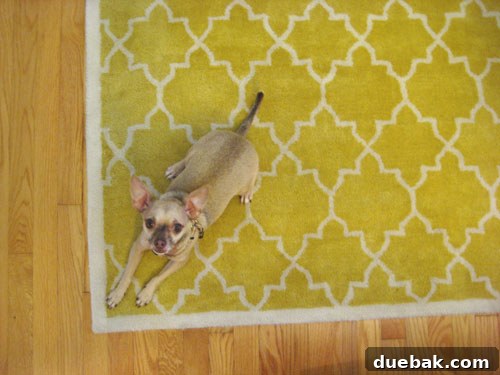
Stay tuned for a full reveal with a complete picture of the rug and the rest of the living room’s refreshed design. Until then, armed with these essential tips and room-specific guidelines, we wish you happy and confident rug hunting!
Selecting the right rugs for your home is an art that blends aesthetic vision with practical considerations. By embracing these comprehensive rules and tips, you’re well-equipped to choose area rugs that not only beautify your spaces but also enhance their comfort, functionality, and overall appeal, making every step in your home a truly enjoyable one.